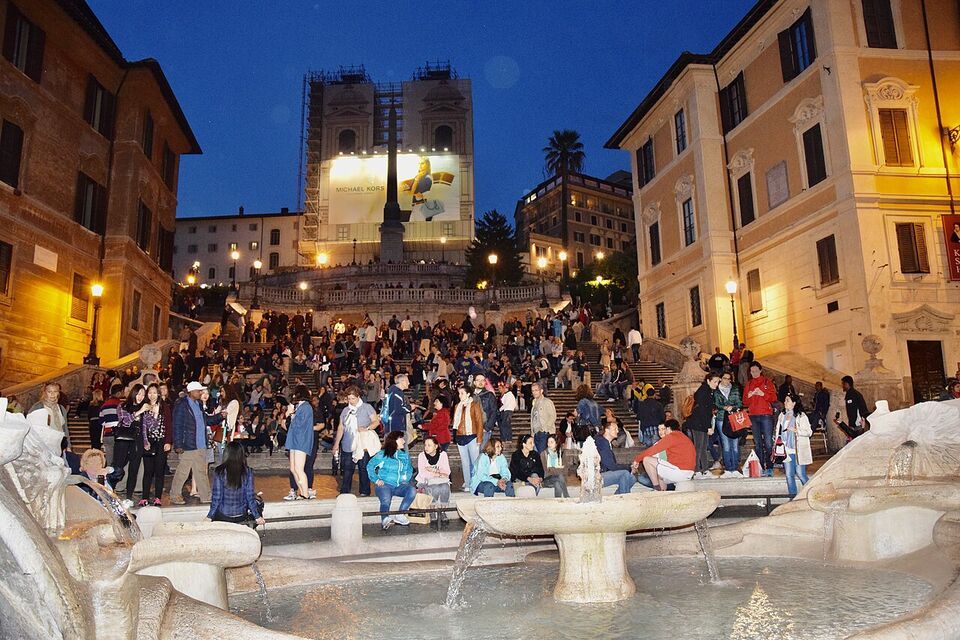
Stay in the Centro Storico if it is your first trip and you want to walk everywhere; Monti if you want the Colosseum close and a neighborhood with real Roman life; Trastevere for evenings out (and earplugs); Prati for families, calm nights and the Vatican; the streets around Termini only for a tight budget or an early train. Luxury travelers look to the Tridente around the Spanish Steps, and a short stopover works best near Termini, where the airport train arrives.
Rome is compact: St. Peter's to the Colosseum is a little over 2 miles (3.5 km). What differs most is what is outside your door at 10 p.m.
Rome's areas compared
| Area | Vibe | To the Colosseum / Vatican | Transit | Price | Best for | Drawbacks |
|---|---|---|---|---|---|---|
| Centro Storico (Pantheon, Navona, Campo de' Fiori) | Baroque lanes, piazzas, churches | 20–25 min walk / 20–25 min walk | Buses and Tram 8; no Metro | $$$–$$$$ | First-timers, couples | Noise near Campo de' Fiori; high prices; few cars or taxis in the lanes |
| Tridente (Spanish Steps, Via del Corso) | Elegant, shopping, grand hotels | 25–30 min walk / Metro A, 10 min | Metro A Spagna, Flaminio | $$$–$$$$ | Luxury, shoppers | Expensive to eat in; quiet and corporate after the shops close |
| Monti | Village feel, wine bars, vintage shops | 10 min walk / Metro A, 20–25 min with a change | Metro B Cavour; near Termini | $$–$$$ | First-timers, foodies | Small rooms, steep streets, limited big hotels |
| Trastevere | Cobbled, lively, trattorias | Tram and walk, 25 min / 25–30 min walk | Tram 8; FL1 train at Trastevere station | $$–$$$ | Couples, nightlife | Loud late, especially on weekends; no Metro |
| Prati | Residential, wide streets, shops | Metro A and B, 20 min / 10–15 min walk | Metro A Ottaviano, Lepanto | $$–$$$ | Families, Vatican-focused trips, light sleepers | Fewer postcard views; outside the walls, so no fixed taxi fare from Fiumicino |
| Termini and Esquilino | Station district, multicultural | Metro B, 5 min / Metro A, 15 min | Metro A and B, Leonardo Express | $–$$ | Budget, short stopovers, early trains | Scruffy streets, pickpockets, less pleasant at night |
| Testaccio and the Aventine | Food market and leafy hill | 20–25 min walk / Metro B and A, 30 min | Metro B Piramide; FL1 at Ostiense | $$–$$$ | Return visitors, quiet nights, food lovers | Farther from the Vatican and Trevi |
| Via Veneto and Ludovisi | 1950s grand hotels, embassies | Metro A and B, 15 min / Metro A, 15 min | Metro A Barberini | $$$–$$$$ | Business travelers, classic luxury | Little street life in the evening |
Walking times are from the middle of each area at an easy pace. For the sights themselves, see Rome sights and the Vatican.
Centro Storico: Pantheon, Navona and Campo de' Fiori
The bend of the Tiber west of Via del Corso is the Rome of the movies: the Pantheon, Piazza Navona, Campo de' Fiori's morning market, Caravaggios in neighborhood churches and a coffee bar on every corner. Staying here means you can walk back to your room at 2 p.m. for a rest and be out again at 5. The small Jewish Ghetto on the southern edge, by the Tiber Island, is a quieter corner of the same area, known for Roman-Jewish cooking.
- Pros: walking distance to most sights; the best evening strolls in the city; endless places to eat.
- Cons: the most expensive area after the Tridente; rooms are often small; bar noise around Campo de' Fiori and the lanes north of Navona on weekend nights.
- Transit: no Metro. Buses 40 and 64 run to Termini and the Vatican from Largo Argentina, and Tram 8 crosses to Trastevere.
Albergo Santa Chiara
A family hotel that started as a wine shop and inn in 1839 and now spreads over three adjoining buildings on Via Santa Chiara. Classic rather than trendy, and about two minutes on foot from the Pantheon.
Insider tip
Ask for a room facing an inner courtyard (camera interna) anywhere in the center. You lose the view and gain sleep, since Roman streets carry voices, scooters and early delivery vans.
Tridente: the Spanish Steps and Via del Corso
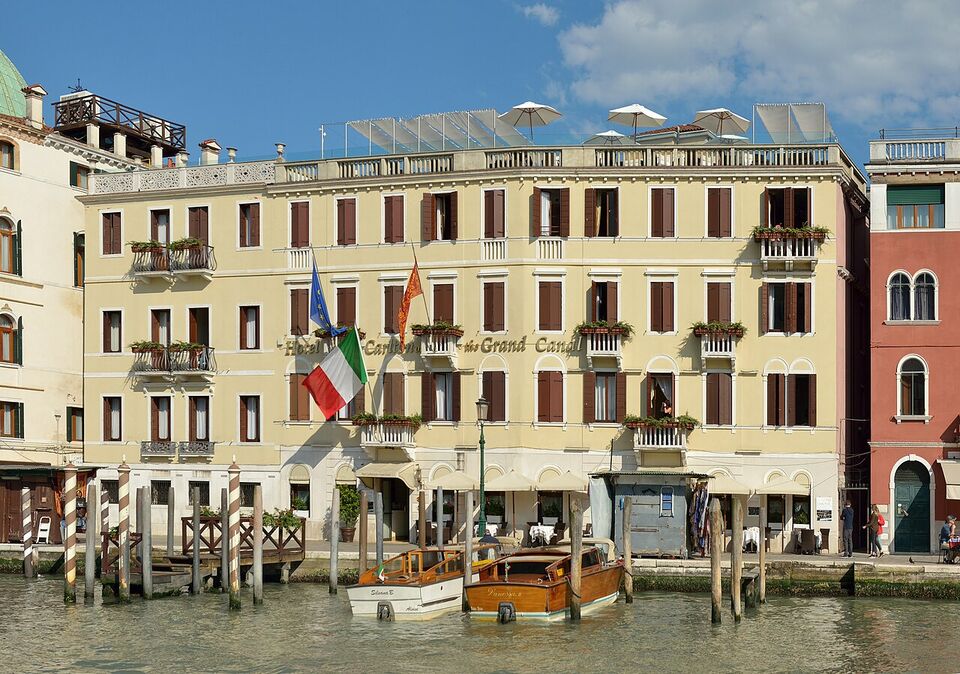
The triangle of streets fanning out from Piazza del Popolo holds Rome's designer shops on Via Condotti, the Spanish Steps and many of its grandest hotels. It is central, polished and easy, with Metro Line A at Spagna and Flaminio and a short walk to the Trevi Fountain and the Borghese Gallery.
- Pros: safe-feeling, well lit, great shopping; Metro A gets you to the Vatican in a few stops; close to Villa Borghese park.
- Cons: the area empties after the shops close; restaurants skew expensive and international; a 25-minute walk to the Colosseum.
Hotel de Russie
A five-star Rocco Forte hotel with a spa, on the street that links Piazza del Popolo and the Spanish Steps. One of the city's classic luxury addresses.
Hotel Locarno
Open since 1925, a short walk from the Tiber and Piazza del Popolo, with its own restaurant. Smaller and more personal than the big palace hotels.
Just east, Via Veneto and the Ludovisi quarter around Metro Barberini are the old "dolce vita" strip of grand hotels and embassies, including the US Embassy. Comfortable and quiet, with little street life at night.
Monti
Rome's oldest residential quarter sits between the Colosseum and Termini: ivy-covered lanes, vintage shops, wine bars and Piazza della Madonna dei Monti, where locals sit on the fountain steps with a drink. You can walk to the Colosseum in 10 minutes and to the Forum in less, and Termini is 10 to 15 minutes on foot for the airport train.
- Pros: the best mix of central location, local life and fair prices; good food at every level; Metro B at Cavour.
- Cons: few large hotels, so many options are small B&Bs on upper floors; some streets are steep; busy bar corners on weekend nights.
Hotel Artemide
A boutique hotel on the main street between Piazza della Repubblica and Piazza Venezia, with a rooftop restaurant. Convenient for buses, Termini and a 15-minute walk to the Forum.
Trastevere
West of the river, Trastevere is laundry lines, ivy and cobbles by day and one of Rome's busiest night scenes after dark. The area around Piazza di Santa Maria in Trastevere and the lanes toward Piazza Trilussa are lovely and loud. Across Viale di Trastevere, the quieter side near San Francesco a Ripa and the slopes toward the Gianicolo hill are calmer and closer to how Romans live.
- Pros: romantic streets, many trattorias, easy walk into the Centro Storico across Ponte Sisto, Tram 8 to Largo Argentina in about 10 minutes, and the FL1 train from Trastevere station to Fiumicino.
- Cons: noise until late, especially Thursday to Saturday; no Metro; a 25 to 30 minute walk to the Vatican.
Hotel Santa Maria
A three-star hotel set in a former 17th-century cloister, a few steps from Trastevere's main square. Its enclosed layout makes it calmer than the streets outside.
Prati
Prati was laid out in the late 1800s with wide, straight streets, and it still feels like an elegant residential district. Via Cola di Rienzo has everyday shopping, the covered Trionfale market is nearby, and St. Peter's is a 10 to 15 minute walk. Metro Line A at Ottaviano and Lepanto takes you to the Spanish Steps in a few stops.
- Pros: good value for the location; calm nights; often larger rooms than in the center; easy for families and for early Vatican slots.
- Cons: fewer historic views; the restaurants right around the Vatican walls are tourist traps (walk a few blocks east); it lies outside the Aurelian Walls, so taxis from Fiumicino may run the meter rather than charge the €55 fixed fare. Confirm with the driver first.
Hotel dei Mellini
An upscale hotel in the Borgognoni Collection on the river side of Prati, about 10 to 15 minutes on foot across the Tiber to Piazza del Popolo or to Castel Sant'Angelo.
Termini and Esquilino
Roma Termini is where both Metro lines meet, the Leonardo Express arrives from Fiumicino and the fast trains leave for Florence and Naples, and hotel prices drop. Esquilino, south of the station, is Rome's most multicultural district, with Asian groceries and the basilica of Santa Maria Maggiore. Via Cavour and the streets toward Monti are the more pleasant side.
- Pros: the lowest rates in the center; unbeatable transport; fine for a night before an early train or flight.
- Cons: the streets right around the station are scruffy, crowded and a focus for bag thieves and pickpockets, especially at night; the Termini taxi line is a known pickpocket spot. See safety.
Hotel Mediterraneo
A protected Art Deco building run as a hotel since 1938 by the Bettoja family group, with original period furnishings and a seasonal rooftop bar. A good compromise: station convenience, Monti a few minutes away.
Testaccio and the Aventine
Testaccio is a working-class quarter built around the old slaughterhouse, now known for Roman cooking and its covered market. Up the hill, the Aventine is green, quiet and villa-lined, with the orange garden and the keyhole view of St. Peter's. Together they suit a second visit or anyone who sleeps badly in the center.
- Pros: the quietest nights inside the walls; very local food scene; Metro B at Piramide and trains from Ostiense, including the FL1 to Fiumicino.
- Cons: 20 to 25 minutes on foot to the Colosseum and longer to the Pantheon; the Vatican is a Metro ride with a change.
Hotel San Anselmo
A hotel on a residential square of the Aventine, one of several the same local group runs on the hill. Quiet and leafy, a short walk from the orange garden.
Areas to think twice about
- "Rome" hotels outside the center. Cheap rates near the ring road (the GRA), in EUR or out toward Fiumicino can mean 45 to 60 minutes each way by bus and Metro. A shuttle that runs a few times a day is no substitute for walking home.
- "Near the Vatican" listings that are actually in Aurelio or Boccea, 20 to 30 minutes' walk beyond St. Peter's. Check the map, not the name.
- The blocks right around Termini for families or first-timers arriving late. It is busy rather than dangerous, but the streets are grim at night and bag theft is common.
- San Lorenzo and Pigneto for anyone who wants sleep. They are student and nightlife areas, interesting for an evening.
- A room directly on Campo de' Fiori or Piazza Trilussa on a weekend.
As of our November 2026 check, the US State Department rates Italy at Level 2, "Exercise Increased Caution", because of terrorism. For visitors to Rome, petty theft on crowded transit and at the big sights is the practical risk in every area above.
Apartments and short-term rental rules
An apartment makes sense for families and stays of four nights or more. A two-bedroom flat in Monti or Prati can cost less than two hotel rooms. Know the rules before you book:
- Look for the CIN. Every legal rental must show a national identification code (CIN), starting with "IT", on the listing and at the building. No code is a red flag.
- Plan an in-person check-in. Italy's Council of State upheld the in-person ID rule in November 2025, which effectively ended key-box self check-in. Agree on an arrival time and a WhatsApp number, and expect a late-arrival fee after about 8 or 9 p.m. at many apartments.
- Hand over passports. Hosts must register every guest with the police, so they will ask for each passport.
- Pay the city tax. Most short-term rental apartments charge €6 (about $6.70) per person per night in Rome, often in cash at check-in.
- Never pay off-platform. Copied listings with a host asking for a bank transfer or payment app are the classic Rome rental scam.
More on apartments, convents and booking platforms is on our where to stay in Italy page, and on longer stays at long stays.
Booking tips
- Cancellation terms. Non-refundable rates are cheaper, but a flight change costs you the room. For trips months out, pay a little more for free cancellation.
- City tax at the hotel. The rate you see online almost never includes the contributo di soggiorno. In Rome it is €10 (about $11) per person per night at five stars, €7.50 at four, €6 at three-star hotels, B&Bs and most short-term rental apartments, €5 at two stars, €4 at one star and €3.50 in hostels, for up to 10 nights. Two people spending four nights in a four-star pay €60 (about $67). The city has discussed raising rates again, so confirm when you book.
- Air conditioning. Standard in three-star hotels and up, but some older buildings run central systems only in summer. Confirm in writing for June to September, and ask about heating in rentals for December to February.
- Elevators and floors. Many B&Bs are on upper floors of old buildings. The Italian "first floor" is one flight up, and lifts can be tiny or absent. Ask if you have heavy bags or mobility needs.
- Room size. Expect rooms far smaller than a US chain hotel, especially in the center. Listings often give the size in square meters; 1 m² is about 10.8 square feet.
- Seasons. Prices peak from April to June, in September and October, and from Christmas to Epiphany (January 6). November, January after the 6th and February are the cheapest months, apart from the long weekend around December 8. See when to go and Italy in December.
Bottom line
For a first trip of three or four nights, pay a little more to stay in the Centro Storico or Monti; you will spend less time on transit and more time walking home through the best of the city. Families and light sleepers do well in Prati, couples who want evenings out in Trastevere, and budget travelers near Termini on the Via Cavour side. Pair this page with our 3 days in Rome plan, and if Rome is one stop of several, see the Italy itinerary and the budget calculator.
Want this planned for you? Tell us your dates and we will match the neighborhood to your trip, or map it yourself with the trip builder.
Add it to a route in the trip builder, or ask us to plan the hotels, trains and guides for you.