Paris with kids: the basics
Paris is a better city for children than its reputation suggests. Every neighborhood has a playground, the parks are designed for families, carousels turn in many squares, and the bakery is never more than a block away. French children eat in restaurants from an early age, so a well-behaved kid at the table is normal.
What makes it hard: stairs. The Métro is full of them, many sidewalks are narrow, and older apartment buildings may have tiny elevators or none. Plan short days with a long lunch and a park break, and base yourself in a central area so you can return to your hotel mid-afternoon.
Different from home
French parents expect children to sit through a two-course lunch and keep their voices down in restaurants and museums. Kids' menus (menu enfant) exist but are often limited to chicken or ham with fries and ice cream. Don't expect crayons, high chairs everywhere or a server who brings food fast; order the children's food first and ask for it to come quickly (pour les enfants d'abord, s'il vous plaît).
Best activities by age
Toddlers and preschoolers (under 5)
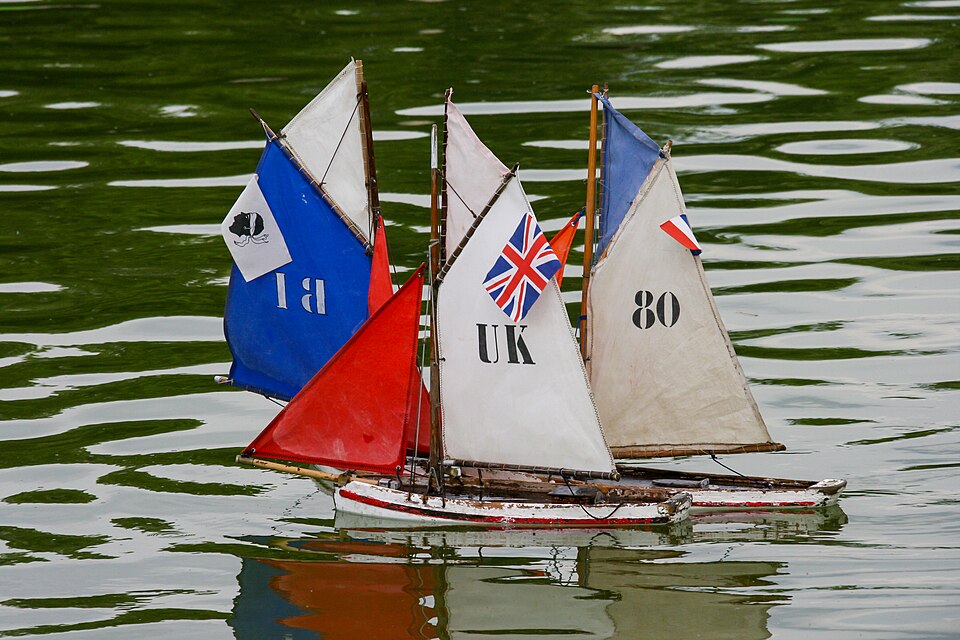
- Jardin du Luxembourg: the big fenced playground (one of the best in Paris), pony rides, the 19th-century carousel and the wooden toy sailboats you push across the pond with a stick.
- Jardin d'Acclimatation: a children's amusement park in the Bois de Boulogne with small rides, farm animals, playgrounds and a little train.
- Carousels: at the Eiffel Tower, the Hôtel de Ville, Sacré-Cœur, the Tuileries and the Jardin des Plantes, typically €3 to €4 (about $3.40 to $4.50) per ride.
- Cité des Enfants: the hands-on children's area of the Cité des Sciences, with zones for ages 2–7 and 5–12, sold in timed sessions.
- Ménagerie du Jardin des Plantes: a small, old zoo with red pandas, orangutans and big cats, easy to do in an hour.
- Aquarium de Paris: under the Trocadéro gardens, with sharks and jellyfish.
Kids 5 to 12
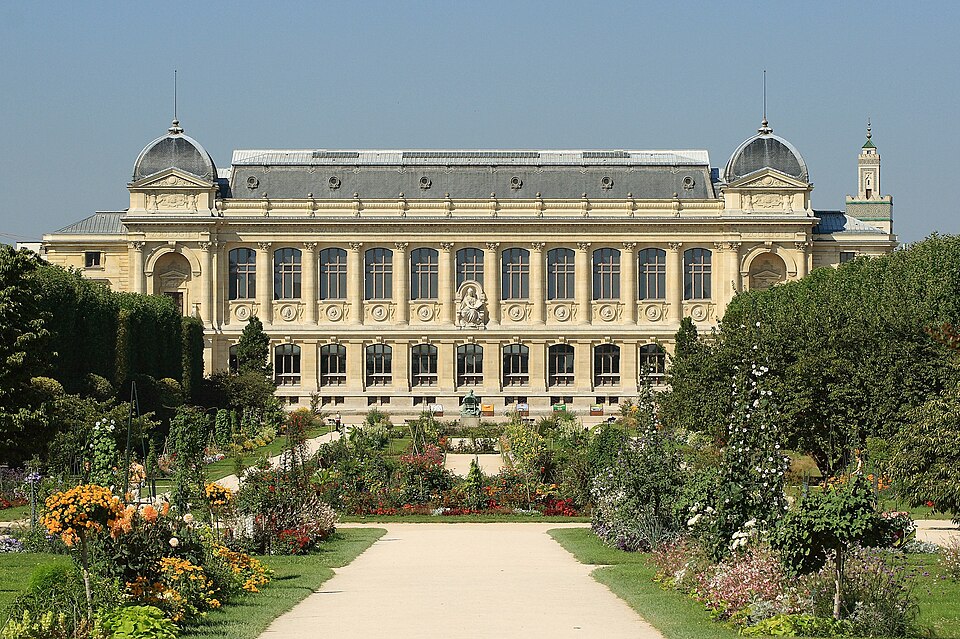
- Grande Galerie de l'Évolution (Jardin des Plantes): a parade of stuffed animals marching across a vast 19th-century hall, plus a children's gallery.
- Cité des Sciences et de l'Industrie (La Villette): Europe's largest science museum, with a planetarium and a submarine to climb into outside.
- Musée des Arts et Métiers (3rd): early cars, airplanes and Foucault's pendulum swinging inside a church. Hugely underrated.
- Eiffel Tower: book the summit online and go in the morning.
- Catacombs: for kids who like spooky things; about 130 steps down and 112 back up, and children must be with an adult. Listed 2026 prices are €31 (about $35) for adults and €15 (about $17) for ages 8 to 17, audio guide included; closed Monday. The site reopened on April 8, 2026, after a renovation that added new lighting and an immersive audio guide; book timed tickets online. See Paris Sights.
- Musée Grévin: the wax museum at 10 boulevard Montmartre, open since 1882, with French and international celebrities. Under-5s go free; book dated tickets online for the best prices.
- Boat rides: a one-hour Seine cruise, or the Batobus hop-on boat between sights.
- Puppet shows: Guignol-style puppet theaters in the Luxembourg Gardens, the Champ de Mars and the Buttes-Chaumont have traditionally played on Wednesdays, weekends and school holidays. Shows are in French, but young kids follow the slapstick easily. Check times at the booth.
Teens
- Atelier des Lumières (11th): immersive digital art shows projected on the walls of an old foundry; the fall 2026 program includes an ocean show and a Renaissance show on Leonardo, Raphael and Michelangelo.
- The sewers museum (Musée des Égouts) by the Pont de l'Alma: gross and fascinating, and a good pairing with the Catacombs.
- Street art in Belleville and the 13th, where whole building facades are painted.
- Bike rides on the car-free quays and new cycle lanes with Vélib' bikes (ages 14 and up).
- Sports: a Paris Saint-Germain soccer match, a rugby game at the Stade de France, or the climbing walls and skate parks around the city.
- Shopping: the Marais, vintage shops and the flea market at Saint-Ouen. See Shopping & Nightlife.
Family sights in detail
Jardin d'Acclimatation
Opened in 1860, this amusement park has about 45 attractions: gentle rides, a farm, a river ride, playgrounds and seasonal shows. A one-day pass covers unlimited rides, and families can buy a four-pass bundle with one pass free. Some rides close on school-term weekdays, so check the list before going. It sits next to the Fondation Louis Vuitton; take Métro line 1 to Les Sablons and walk about 10 minutes.
Jardin du Luxembourg
The sailboats on the Grand Bassin rent by the half hour from a stand by the pond and have been on the water since the 1920s. The big fenced playground has climbing frames, sand and zip lines for different ages, and the puppet theater is on the west side of the garden. Check the Senate's garden site for hours and family activities.
Cité des Sciences et de l'Industrie
Exhibits on space, the human body, robots and sound, with the Cité des Enfants for young children (book a session in advance, especially on weekends and Wednesdays, when French schools are off). The Géode IMAX dome is next door.
Grande Galerie de l'Évolution
The giraffes, elephants and whales in the main hall are unforgettable for children, and the extinct-species room is moving for older kids. Combine with the Ménagerie and the gardens.
Aquarium de Paris
A good rainy-day option at 5 avenue Albert-de-Mun, a short walk from the Eiffel Tower, with more than 13,000 fish, sharks and a large jellyfish gallery. Open daily from 9:30 a.m. to 7 p.m., and until 9 p.m. on Saturdays.
Musée des Arts et Métiers
France's museum of invention: Blériot's plane that crossed the Channel, steam cars, early computers and Bartholdi's model of the Statue of Liberty. Open Tuesday to Sunday, 10 a.m. to 6 p.m., until 9 p.m. on Fridays; closed Monday.
Parc de la Villette
The city's largest park, with themed gardens, a dragon slide, open lawns and a summer open-air cinema. The Cité des Sciences and the Philharmonie are on the grounds; the Philharmonie des Enfants there is a hands-on music space for ages 4 to 10.
Parc des Buttes-Chaumont
A dramatic hilly park with cliffs, a lake, a waterfall in a cave and a temple on a rock. Pony rides, puppet shows and lawns where sitting is allowed.
The Eiffel Tower with kids
Book timed tickets on the official site as soon as your dates are fixed, because summit slots sell out. The first slot of the morning has the shortest security line. In 2026, the elevator to the top costs €36.70 (about $41) for adults, €18.40 (about $21) for ages 12 to 24 and €9.20 (about $10) for ages 4 to 11; under-4s are free but need a ticket. New fares apply from January 11, 2027. Climbing the 674 steps to the second floor costs €14.80 (about $17) for adults and €3.80 (about $4) for children, and kids often love the challenge. Large luggage is not allowed. The carousel by the tower and the Champ de Mars lawns are good for a break.
Paris Plages and summer
Every summer in July and August, the city sets up Paris Plages: beach chairs, sand, games and activities along the Seine and the Bassin de la Villette. Since 2025, the city has also opened free, supervised swimming spots in the Seine itself: Bras Marie by the Pont Louis-Philippe near the Île Saint-Louis, Bras de Grenelle in the 15th and Quai de Bercy in the 12th, open when water quality allows. There is also swimming in the Bassin de la Villette. Check paris.fr in June for this summer's dates.
Disneyland Paris and Parc Astérix
Both theme parks are easy to reach by public transport and make a full day. Disneyland Paris is 40 minutes away on the RER A, and Parc Astérix, a French park based on the comic-book Gauls with the tallest and fastest roller coaster in France, is about an hour north by RER and shuttle bus. See Day Trips from Paris for transport, tickets and how Disneyland compares to the US parks.
Practical family logistics
Strollers on the Métro
Bring a lightweight umbrella stroller, not a jogger. Most Métro stations have stairs, few have elevators, and the only fully step-free Métro line is line 14. The RER lines and the trams are better for strollers, and buses are excellent: they have a dedicated stroller space and low floors. Fold your stroller on crowded trains. The RATP site and app show accessible routes.
On transit, children under 4 ride free. Ages 4 to 9 pay half price on single tickets and the Paris Visite pass. From age 10, they pay adult fares. Check current fares on Île-de-France Mobilités, and see Getting Around Paris.
Kid-friendly food
- Crêpes: crêperies and street stands are a sure hit; a sugar or Nutella crêpe costs a few euros.
- Bakery lunches: a ham-and-butter sandwich, a quiche and a pastry make an easy and cheap meal.
- Bouillons and brasseries: service is fast, menus are long, and both are open all day. See Eating & Drinking in Paris.
- Picnics: in the Luxembourg Gardens, by the Seine or on the Champ de Mars.
- Goûter: the French after-school snack at 4 p.m., often a pain au chocolat or a slice of bread with chocolate. Join in.
Insider tip
French children have no school on Wednesday afternoons (and often all day), so playgrounds, puppet shows, the Cité des Enfants and the Jardin d'Acclimatation are busiest on Wednesdays, weekends and French school holidays. Tuesday and Thursday mornings are the calmest. Check the holiday calendar on When to Go.
Baby supplies and pharmacies
Diapers (couches), wipes (lingettes), formula (lait infantile) and baby food (petits pots) are sold in supermarkets like Monoprix, Franprix and Carrefour, and in pharmacies. French formula is well regarded and comes in stages by age (1er âge, 2e âge). Pharmacists can advise on children's fevers, rashes and stomach bugs and sell many medicines without a prescription. Look for the green cross; at least one pharmacy is open late in each area. For a doctor or emergencies, see Safety.
Family hotels and apartments
Standard Paris hotel rooms are small, often 150 to 200 sq ft (14 to 18 m²), and many are designed for two people only. Book a family room or connecting rooms, or rent an apartment. Two-bedroom apartments are common in residential areas like the 5th, 6th, 7th, 11th, 15th and 16th. Check that the building has an elevator. The city regulates short-term rentals and requires a registration number on each listing. Aparthotel chains (Citadines, Adagio) offer kitchens and family rooms. For more, see Paris Overview and Where to Stay.
Free museums for under-18s
National museums in France are free for under-18s of any nationality, including the Louvre, the Musée d'Orsay, the Musée de l'Orangerie, the Musée Rodin and the Musée de l'Armée. The Centre Pompidou is closed for renovation until 2030. Versailles is free for under-18s too. Most national monuments, such as the Arc de Triomphe and the Panthéon, have also been free for under-18s; confirm on each booking page. You often still need to reserve a free timed ticket online. EU residents under 26 also go free, but Americans aged 18 to 25 pay full price at most sites.
Watch out
Pickpockets target distracted parents at the Eiffel Tower, Sacré-Cœur and on Métro line 1. Keep phones and wallets zipped away while you manage kids and strollers, and agree on a meeting point in case anyone gets separated. Write your phone number on a wristband or card for young children. The European emergency number is 112. See Safety.
A 4-day family itinerary
- Day 1
Eiffel Tower and the river
Morning slot at the Eiffel Tower, then the carousel and a picnic on the Champ de Mars. Walk to the Trocadéro and the Aquarium de Paris if anyone is still keen. Late afternoon: a one-hour Seine cruise from the Pont de l'Alma or the Eiffel Tower dock. Early dinner and bed.
- Day 2
Left Bank gardens and dinosaurs
Morning at the Luxembourg Gardens: sailboats, playground, and a puppet show if one is on. Lunch at a crêperie. Afternoon at the Jardin des Plantes for the Grande Galerie de l'Évolution and the Ménagerie. Ice cream on the Île Saint-Louis at Berthillon or a nearby café.
- Day 3
Science and the canals
Take Métro line 7 to the Cité des Sciences for a morning session at the Cité des Enfants or the main exhibits. Picnic in the Parc de la Villette and play on the dragon slide. In the afternoon, walk along the Canal Saint-Martin and watch the boats pass through the locks, or do a canal cruise.
- Day 4
Louvre and Montmartre
The Louvre at opening time with a pre-booked ticket and a short plan (Egyptian antiquities, the Winged Victory, the Mona Lisa). Play in the Tuileries Gardens with its seasonal fun fair and trampolines. Afternoon in Montmartre: funicular up, carousel and view at Sacré-Cœur, artists at the Place du Tertre.
With a fifth day, add Disneyland Paris or Versailles; see Day Trips. For more on traveling with children, see Travel by Interest.

Free Paris: museums that cost nothing
The City of Paris runs 14 museums under the Paris Musées banner, and since 2001 the permanent collections of most of them have been free to everyone, every day they are open. Temporary exhibitions cost extra, as do the Catacombs and the archaeological crypt under the Notre-Dame square. Most City museums close on Monday. They stay quiet even in high season.
Musée Carnavalet
The history of Paris in two Marais mansions, from prehistoric canoes to Proust's bedroom and Revolution-era relics. Reopened in 2021 after a full renovation.
Petit Palais
The City's fine arts museum, in a 1900 palace across from the Grand Palais, with Courbet, Monet and Delacroix, and a garden café in a colonnaded courtyard.
Musée de la Vie Romantique
The home of painter Ary Scheffer at the foot of Montmartre, with George Sand memorabilia and a garden tearoom.
Musée Cognacq-Jay
An 18th-century art collection in an elegant Marais mansion.
Maison de Victor Hugo
The apartment where Hugo wrote much of Les Misérables, with a lovely courtyard café.
Musée d'Art Moderne de Paris
Matisse, Picasso, Delaunay and Dufy's enormous La Fée Électricité, across the river from the Eiffel Tower.
Musée Cernuschi
Asian art by the Parc Monceau.
Musée Bourdelle and Musée Zadkine
Two sculptors' studios with gardens, near Montparnasse and the Luxembourg.
The others are the Maison de Balzac in Passy, the Musée de la Libération de Paris (with the WWII command post under Place Denfert-Rochereau) and the Palais Galliera fashion museum, which charges for its exhibitions. See the full list on Paris Musées.
First-Sunday free entry
Free first Sundays still exist, but the rules differ by museum and nearly always require booking a time slot online. In 2026, the Musée d'Orsay and the Musée de l'Orangerie are free for everyone on the first Sunday of every month, with mandatory online booking. The Louvre no longer does first Sundays; it is free for everyone on the first Friday of the month after 6 p.m. (except July and August) and on July 14. The Château de Fontainebleau sells special first-Sunday tickets outside June to August. The Arc de Triomphe, Panthéon, Sainte-Chapelle, Notre-Dame towers and Château de Vincennes are free on the first Sunday from November to March, the Musée Rodin from October to March, and the Musée Picasso every month; see Paris Sights for details. The next first Sundays fall on November 1 (also a public holiday) and December 6, 2026, then January 3, February 7 and March 7, 2027.
Watch out
Free days draw huge crowds. If your time in Paris is short, it is often better to pay and pick a quiet weekday morning. Free tickets still sell out online.
Free churches
All Paris churches are free to enter. Dress modestly, keep your voice down and avoid visiting during Mass on Sunday morning.
- Notre-Dame de Paris: reopened in December 2024 after the 2019 fire. Entry is free, and you can reserve a free time slot on the official site to shorten the wait. The towers charge admission and must be booked.
- Sacré-Cœur: free, with a sweeping view from the steps. The dome climb costs extra.
- Saint-Sulpice: Delacroix murals, a famous organ, and the brass meridian line from The Da Vinci Code.
- Saint-Eustache: a vast Gothic-Renaissance church by Les Halles with free organ recitals on some Sunday afternoons.
- Saint-Germain-des-Prés: the oldest church in Paris, with its painted interior restored.
- La Madeleine: a Greek temple on the outside, a grand nave inside.
- Saint-Étienne-du-Mont: a carved stone rood screen and the steps from Midnight in Paris.
Sainte-Chapelle, the Panthéon and the Basilica of Saint-Denis are national monuments and charge admission.
Free parks, cemeteries and walks
Parks
Every Paris park is free. Beyond the Luxembourg, Tuileries and Buttes-Chaumont, try the Parc Monceau (8th), the Jardin des Plantes and its greenhouses (small fee), the Parc Montsouris (14th), and the Bois de Vincennes and Bois de Boulogne on the edges of the city. Park hours follow daylight.
Cemeteries
- Père-Lachaise (20th): Jim Morrison, Oscar Wilde, Édith Piaf, Chopin, Molière and Gertrude Stein among tree-lined lanes. Download a map before you go.
- Montmartre Cemetery: Degas, Stendhal and Dalida, under an iron bridge.
- Montparnasse Cemetery: Sartre and Beauvoir, Baudelaire, Serge Gainsbourg, Susan Sontag.
Free walking routes
- Coulée verte René-Dumont (Promenade plantée): an elevated garden walk on an old rail viaduct from near the Bastille to the Bois de Vincennes, the inspiration for New York's High Line. About 3 miles (4.7 km).
- Canal Saint-Martin: from République to the Bassin de la Villette, past locks and iron footbridges.
- The Seine banks: the car-free quays on both banks, between the Eiffel Tower and the Île Saint-Louis, are UNESCO World Heritage and great on foot or by bike.
- Montmartre: the back streets around rue de l'Abreuvoir, the vineyard and the Moulin de la Galette.
- Covered passages: Galerie Vivienne to Passage Jouffroy and Passage Verdeau, good on a rainy day.
- Free walking tours: several companies run tip-based tours in English. Guides expect €10 to €20 (about $11 to $22) per person at the end.
Markets
Browsing a food market or flea market costs nothing. The Sunday morning Bastille and Aligre markets, the flower market on the Île de la Cité, and the bouquinistes along the Seine are all free to wander. See Eating & Drinking and Shopping.
Free views
- Galeries Lafayette rooftop: an open terrace over the Opéra with the Eiffel Tower in view; it closes in bad weather.
- Printemps rooftop: next door, a seasonal terrace with wide views over the Right Bank; check that it is open.
- Sacré-Cœur steps: the whole city at your feet.
- Parc de Belleville: a less crowded view of Paris from the east, best at sunset.
- Trocadéro: the classic Eiffel Tower photo, and the tower sparkle on the hour after dark.
- Pont Alexandre III and Pont des Arts: the Seine at its most photogenic.
- Institut du Monde Arabe terrace: the 9th-floor roof terrace looks over Notre-Dame and the Seine and has long been free to visit; it can close for events and in bad weather.
Free events
| Event | When | What happens |
|---|---|---|
| Fête de la Musique | June 21 every year | Free concerts on every street corner, all night. Some Métro lines run late. |
| Bastille Day | July 14 | Military parade on the Champs-Élysées in the morning, fireworks at the Eiffel Tower at night. Firemen's balls on the 13th and 14th. |
| Paris Plages | July and August | Beach setup along the Seine and the Bassin de la Villette, plus free swimming spots in the Seine. |
| Open-air cinema at La Villette | Late July to August | Free outdoor film screenings on the lawns. |
| European Heritage Days (Journées du Patrimoine) | Third weekend in September | Government buildings, embassies and private mansions open free, including the Élysée Palace (book ahead). |
| Nuit Blanche | Early June (June 6 in 2026; it moved from October in 2024) | An all-night contemporary art festival in streets, churches and monuments. |
| Christmas lights | Late November to early January | Lights on the Champs-Élysées, the department-store window displays on boulevard Haussmann. |
Free toilets and water
Paris has hundreds of free self-cleaning public toilets (sanisettes) on the sidewalks, open from early morning to late evening, some around the clock. Push the button, wait for the green light and the door to open, and do not let anyone follow you in; the cabin cleans itself after each use. Museums, department stores and train stations also have toilets, though stations often charge €1 or more. Ordering a coffee at a café gives you the right to use its restroom.
The city's drinking water is safe and free. Look for the dark green Wallace fountains, cast-iron canopies held up by four caryatids, scattered across the city since the 1870s, and the modern fountains in parks. A few park fountains even dispense chilled sparkling water. Bring a refillable bottle and skip buying water entirely.
Save money
A day in Paris can cost almost nothing: breakfast at a bakery, a free City museum in the morning, a picnic by the Seine, a church and a garden in the afternoon, sunset on the Sacré-Cœur steps and the Eiffel Tower sparkle at night. See Budget Calculator and Money.
Add it to a route in the trip builder, or ask us to plan the hotels, trains and guides for you.