
Pick London if you want an easy first trip in English, free world-class museums, theater, pubs and royal history, and you can absorb the highest hotel prices of the two. Pick Paris if art, food, café life and a city that feels more foreign come first, with rooms that cost a little less but museums you pay for. Families with younger kids and nervous first-timers lean London; food lovers and couples lean Paris.
Better still, do both: the Eurostar links the two centers in about 2 hours 15 minutes. Just remember the border rules differ: the UK wants an ETA, while France follows Schengen.
| London | Paris | |
|---|---|---|
| Best for | First-timers, theater, history, free museums, younger kids | Art, food, cafés, romance, shopping |
| Language | English | French; most people in tourist areas under 50 speak some English |
| Nonstops from the US | Heathrow from about 30 US cities; 6 hr 30 min–7 hr from the East Coast | From roughly 25 US cities in summer 2027; 7–7 hr 30 min from New York |
| Airport to center | Piccadilly line £5.90 (about $8); Elizabeth line up to £15.50 (about $21) | RER B €14 (about $16); flat taxi €56–65 (about $63–73) |
| Entry for Americans | ETA, £20 (about $27), valid 2 years; stays up to 6 months | No pre-approval yet; 90 days in any 180 across Schengen; fingerprints on first entry |
| Hotel for two | £110–220 (about $146–293) for a simple central room | €150–250 (about $168–280) for a three-star in low season |
| Big museums | Free: British Museum, National Gallery, Tate Modern, V&A | Paid: Louvre €32, Orsay €16 (about $18); city museums free |
| Headline paid sights | Tower of London about £37 (about $49), Westminster Abbey £32 (about $43) | Eiffel Tower €23.50–36.70 (about $26–41), Sainte-Chapelle €22 (about $25) |
| Transit | Tap a contactless card; daily cap £8.90 (about $12) in Zones 1–2 | €2.55 (about $2.90) a ride; week pass €32.40 (about $36) |
| Eating out | Pub main £15–22 (about $20–29); 12.5% service often added | Bistro set lunch €18–32 (about $20–36); service included |
| Average highs | January 47°F (8°C), July 75°F (24°C) | January 46°F (8°C), July 78°F (26°C) |
| US advisory | Level 2, Exercise Increased Caution (terrorism) | Level 2, Exercise Increased Caution (terrorism, unrest) |
| Classic day trips | Windsor, Oxford, Bath, the Harry Potter studios | Versailles, Giverny, Champagne, Normandy |
The language question
London is the easy landing: signs, menus, train announcements and small talk are all in English, which takes a lot of stress out of a first overseas trip, especially with kids. A few words differ (the "lift", a "queue", the "first floor" one flight up), and traffic comes from the right, so look right before you cross.
Paris is less of a hurdle than its reputation. Hotel staff, museum desks and most people under 50 in central areas speak some English, and menus in tourist areas often come in English. What matters is the opening: say Bonjour before any question, in shops, at the bakery and to the bus driver. Many "rude waiter" stories start with a missed Bonjour. Learn ten phrases from our French phrasebook and read the etiquette guide.
Costs: hotels, food and free museums
London is the pricier city, mainly for hotels. For sightseeing it flips: London's great national collections cost nothing, while Paris charges Americans for nearly every big museum.
| Per person per day, before flights | London | Paris |
|---|---|---|
| Budget | £100–150 (about $133–200) | About €110–175 (about $125–195) |
| Mid-range | £250–400 (about $333–532) | About €220–350 (about $245–390) |
| Luxury | £600 (about $800) and up | €700 (about $785) and up |
Paris figures are half of our per-couple estimates. Hotels: in London, a simple room for two in Zones 1–2 runs £110–220 (about $146–293), and boutique hotels and good four-stars £220–400 (about $293–532). In Paris, a three-star costs €150–250 in low season and €220–350 (about $245–390) in high season, and four-stars €250–450 and €350–650. Paris adds a tourist tax of €2.60 to €11.70 (about $2.90–13) per person per night by hotel class, more at palace hotels. Rooms run small in both cities.
Sights: the British Museum, National Gallery, Tate Modern, the V&A, the Natural History Museum and the Science Museum are free every day (the Science Museum needs a booked ticket). London's paid sights are the historic ones: the Tower about £37 (about $49), Westminster Abbey £32 (about $43), St Paul's £27 (about $36). In Paris, the Louvre is €32 for non-EEA visitors since January 2026, Orsay €16 and the Eiffel Tower €23.50–36.70, though Notre-Dame and the city museums such as Carnavalet and the Petit Palais are free. The London Pass (from £105, about $140) pays off only at three or four paid sights a day.
Save money
In London, check the bill before tipping: a 12.5% "discretionary service charge" is often already added. In Paris, service is included by law, so rounding up is enough. Both cities have set lunch menus that cost far less than dinner.
Entry rules: UK ETA vs Schengen
This is where the two cities differ most, and where Americans get caught. The UK left the EU and runs its own system; France is in the Schengen area with 28 other countries.
| United Kingdom | France (Schengen) | |
|---|---|---|
| Apply before you go | ETA, £20 (about $27) per person, babies included | Nothing yet; ETIAS (€20) once it launches |
| Decision time | Usually within a day; allow up to 3 working days | Not applicable |
| Validity | 2 years or until your passport expires | ETIAS planned for 3 years |
| Stay limit | Up to 6 months per visit | 90 days in any 180, all Schengen countries combined |
| Passport | Valid for your whole stay | Issued within 10 years; valid 3 months after you leave |
| At the border | eGates for US passports | Fingerprints and photo on first entry (EES) |
The UK ETA has been enforced strictly since February 25, 2026: without one, your airline or the Eurostar will not board you. Apply in about 10 minutes on the official UK ETA app or GOV.UK, never on lookalike sites that add fees. It covers every trip for two years, but a new passport needs a new ETA. Dual British-American citizens cannot get one and need a British passport or a certificate of entitlement. Full details: UK ETA for US citizens.
For France, there is nothing to apply for in October 2026. The EU's Entry/Exit System, fully running since April 10, 2026, records your fingerprints and photo the first time you enter. ETIAS is not operating; the EU dropped its late-2026 target and promises several months' notice. See our ETIAS guide and entry requirements by country. Days in the UK do not count toward your 90 Schengen days.
The Eurostar between them
Eurostar runs from London St Pancras International to Paris Gare du Nord in about 2 hours 15 minutes, every hour or two, daily except Christmas Day. It beats flying: you leave and arrive in the middle of each city.
Fares and booking. Prices rise as trains fill, like airfares. Booked well ahead, Standard starts around £51 (about $68) one way or £78 (about $104) return; Plus, with a light meal at your seat, from about £98 (about $130); Premier, fully flexible with lounge access, around £325 (about $432). Sales open up to about 11 months ahead. Friday evenings, school holidays and the days around Christmas cost far more, so book as soon as your dates are firm on eurostar.com or the app. Midweek and early-morning trains are cheapest.
Check-in. Arrive 60 to 90 minutes before departure; check-in closes 30 minutes before (15 to 20 for Premier), and if you miss it you miss the train. All border checks happen before you board. In London, you pass ticket gates, airport-style security, the UK exit check, then French border police, who carry out the Schengen entry check and your EES registration. EES kiosks have rolled out slowly, so follow staff and signs on the day. In Paris, the Eurostar terminal is upstairs at Gare du Nord, up the escalator opposite platform 17; queues there can be long on Sunday afternoons and in school holidays, so give it the full 90 minutes.
Bags and customs. You can take two large bags up to 85 cm (about 33 in) on any side plus a small bag, with no weight limit, labeled with your name. Heading to London, leave the cheese behind: Great Britain bars most meat and all dairy from the EU, including saucisson and butter.
Watch out
If you fly into Paris and plan to take the Eurostar to London later, get your UK ETA before you leave home. Eurostar checks it at boarding, and a same-day application may not come through in time.
Sights
London is a city of layers: the Tower and the Crown Jewels, Westminster Abbey, St Paul's, the Houses of Parliament, Buckingham Palace and its guard change, and the South Bank from the London Eye (from £29, about $39, online) to Tate Modern and Shakespeare's Globe. The Changing of the Guard is at 11 a.m., on Mondays, Wednesdays and Fridays in November 2026. Palace State Rooms open only in summer; from November 6, 2026 to January 31, 2027, a £100 (about $133) East Wing tour is the way in. Book the Ceremony of the Keys months ahead. See London sights and London theatre.
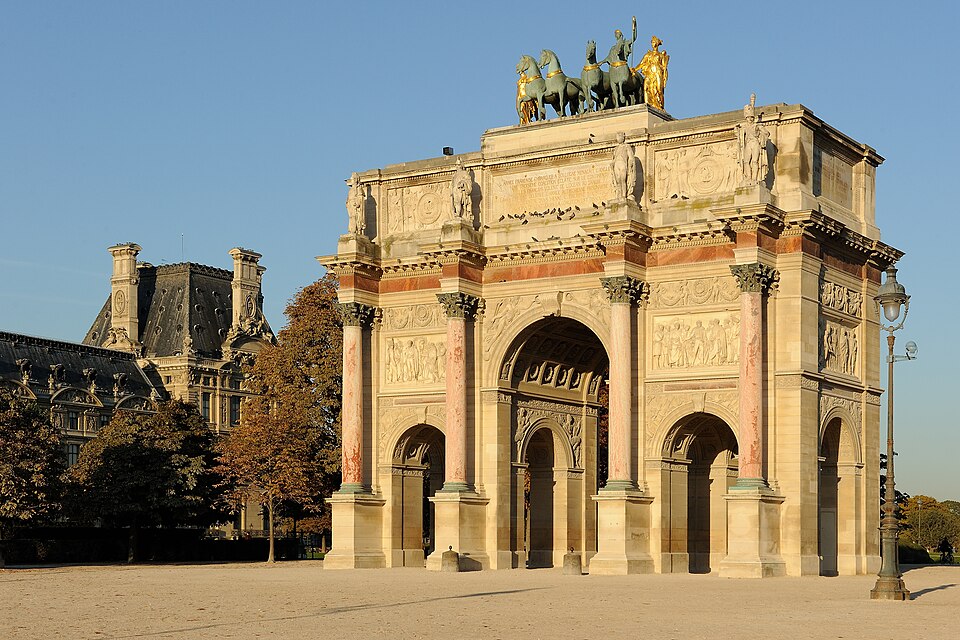
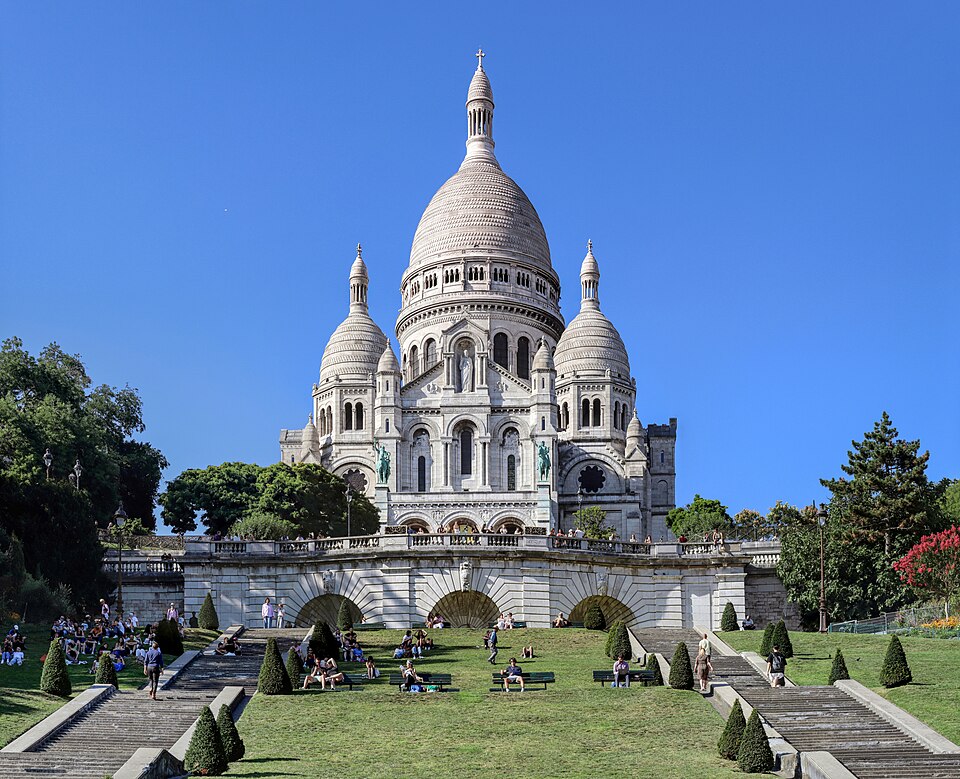
Paris is a city of icons: the Eiffel Tower (stairs now need a reservation too), the Louvre (closed Tuesday), Orsay's Impressionists (closed Monday), Notre-Dame, restored and free, Sainte-Chapelle's stained glass, Montmartre and a Seine cruise at dusk. The Centre Pompidou is closed until 2030. See Paris sights.

Food
London has the more varied table: curry, dim sum, Middle Eastern grills, market stalls at Borough Market (closed Mondays), Sunday roasts in pubs and afternoon tea from about £84 (about $112) at Fortnum & Mason. A pint costs £6–8 (about $8–11), a supermarket "meal deal" lunch about £3.75–5, and a mid-range dinner for two with wine £90–140 (about $120–186). See London food and drink.
Paris is better at the everyday: a baguette, a café terrace, a bakery lunch formule (set deal) for €8–12 (about $9–13), a bistro set lunch for €18–32 and wine by the carafe. The cheap 19th-century bouillons serve mains from about €7. Book popular bistros and starred restaurants ahead, and ask for "une carafe d'eau" for free tap water. See eating in Paris.
Neighborhoods to stay in
London: Covent Garden is the most convenient first-trip base for theaters and the river. Bloomsbury is quieter and good value, with the Piccadilly line from Heathrow. King's Cross and St Pancras put you at the Eurostar door and on six Tube lines. South Kensington sits by the big museums, and the City has weekend hotel deals when business travelers leave. See London neighborhoods.
Paris: for a first visit, the Marais (3rd and 4th), Saint-Germain (6th) and the Latin Quarter (5th) put you within walking distance of most sights. The 7th is calm and family-friendly near the Eiffel Tower. The 10th by Gare du Nord is handy for the Eurostar, but the blocks right around the station feel rough at night. See Paris neighborhoods.
Getting around: Tube vs Métro
London has the easier payment system. Tap a contactless card or phone at the gates and on buses; there is no ticket to buy and no Oyster card needed. Fares cap automatically at £8.90 (about $12) a day in Zones 1–2, or £44.70 (about $59) Monday to Sunday. Buses cost £1.75 (about $2.30), with unlimited changes within an hour, and children under 11 ride free with a paying adult. Use the same card every time and give each traveler their own card or device.
Paris has the denser network: you are rarely more than five minutes from a Métro station. But you cannot simply tap a US credit card at Métro gates yet; it works only on buses, the Montmartre funicular and the Orly line 14 gates. Buy a €2 Navigo Easy card at a station and load rides at €2.55 each, a €12.30 (about $14) day pass, or use the official apps (Apple Wallet supports Navigo). A Monday-to-Sunday week pass is €32.40. Riding without a valid ticket brings a €70 (about $78) fine.
Both cities reward walking. From Heathrow, the Piccadilly line (£5.90) is cheapest and the Heathrow Express (from £10, about $13, booked 30 days ahead) fastest. From CDG, the RER B costs €14. See getting around Paris.
Weather and seasons
| Month | London high / low | Paris high / low |
|---|---|---|
| January | 47°F / 37°F (8°C / 3°C) | 46°F / 38°F (8°C / 3°C) |
| April | 59°F / 43°F (15°C / 6°C) | 62°F / 46°F (17°C / 8°C) |
| July | 75°F / 58°F (24°C / 14°C) | 78°F / 61°F (26°C / 16°C) |
| October | 61°F / 48°F (16°C / 9°C) | 62°F / 50°F (17°C / 10°C) |
The climates are close, so weather should rarely decide this one. Paris runs a few degrees warmer, with heat waves above 95°F (35°C) most summers and many rooms without air conditioning. The sweet spots are May and September for London, and April to May and mid-September to October for Paris. Winter is cheapest in both, outside Christmas. See when to go to the UK, when to go to France, the UK in December and France in November.
Day trips
From London, trains reach Windsor Castle, Oxford, Cambridge and Bath, and the Warner Bros. Studio Tour (Harry Potter) costs £58.50 (about $78) for adults in 2026, with no tickets at the door. From Paris, Versailles is one €2.55 RER C ride away (closed Mondays), Monet's garden at Giverny (closed November to March) is 50 minutes by train, and Champagne and the D-Day beaches of Normandy make longer days. Disneyland Paris is on the RER A. See day trips from London and day trips from Paris.
Families and safety
With younger kids, London is easier: English everywhere, free museums with dinosaurs and hands-on science, the Changing of the Guard, Beefeater tours at the Tower, free buses and Tube for under-11s, and step-free buses and Elizabeth line trains. Paris is a bargain for teens: under-18s enter national museums and monuments free, including the Louvre and Versailles, and the Eiffel Tower charges ages 12–24 about half. Add the Luxembourg Gardens' sailboats and Disneyland. Most Métro stations have stairs, so pack a light stroller. See Paris with kids.
The US State Department rates both countries Level 2, Exercise Increased Caution: the UK for terrorism, France for terrorism and unrest (reissued October 21, 2026). The most likely problem in London is a snatched phone, so keep it in hand only when you need it. In Paris, pickpockets work the Métro and the Eiffel Tower, Louvre and Sacré-Cœur crowds, and protests can close sights for a day. See UK safety and France safety.
Doing both in one trip
A week covers both: three nights in London and four in Paris, or four and four with a day trip. The usual order is fly into London, Eurostar to Paris, fly home from Paris, booked as an open-jaw ("multi-city") ticket, which usually costs about the same as a round trip. Flying home from Paris also avoids the UK's Air Passenger Duty, one of the world's highest departure taxes on long-haul flights. Get your ETA first, book the Eurostar as soon as dates are set, and pack both a UK Type G adapter and a European two-pin one. Contactless cards work in both currencies.
- Day 1
Arrive in London
eGates at Heathrow, Elizabeth or Piccadilly line into town, and a South Bank walk to stay awake.
- Day 2
Westminster and a show
Westminster Abbey (not Sunday), Parliament Square, St James's Park and a West End show.
- Day 3
Tower and museums
Tower of London at opening, St Paul's, Borough Market lunch and Tate Modern; or the British Museum.
- Day 4
Eurostar to Paris
A morning train from St Pancras, arriving for lunch (France is an hour ahead). Afternoon on the islands and Notre-Dame.
- Day 5
The Louvre and the Seine
Louvre at opening (not Tuesday), the Tuileries, and a Seine cruise at dusk.
- Day 6
Left Bank and the tower
Orsay (not Monday), Saint-Germain, and a booked evening slot at the Eiffel Tower.
- Day 7
Versailles or Montmartre
Versailles by RER C (not Monday) or Montmartre at leisure, then a farewell dinner. Fly home on day 8.
Adding Rome or Dublin? See Paris vs Rome and the UK and Europe, which covers a London–Paris–Dublin loop with US preclearance at Dublin.
Choose London if… / Choose Paris if…
Choose London if…
- This is your first trip abroad and you want everything in English.
- You love theater, pubs and royal or military history.
- You want world-class museums for free.
- You are traveling with kids under 12.
- You want easy day trips to Oxford, Bath or Windsor by train.
Choose Paris if…
- Art, food and café life are why you travel.
- You want a city that feels clearly foreign.
- You want somewhat cheaper rooms than London.
- Your teens can use free entry to the national museums.
- You plan to continue to Rome, Provence or elsewhere in Schengen.