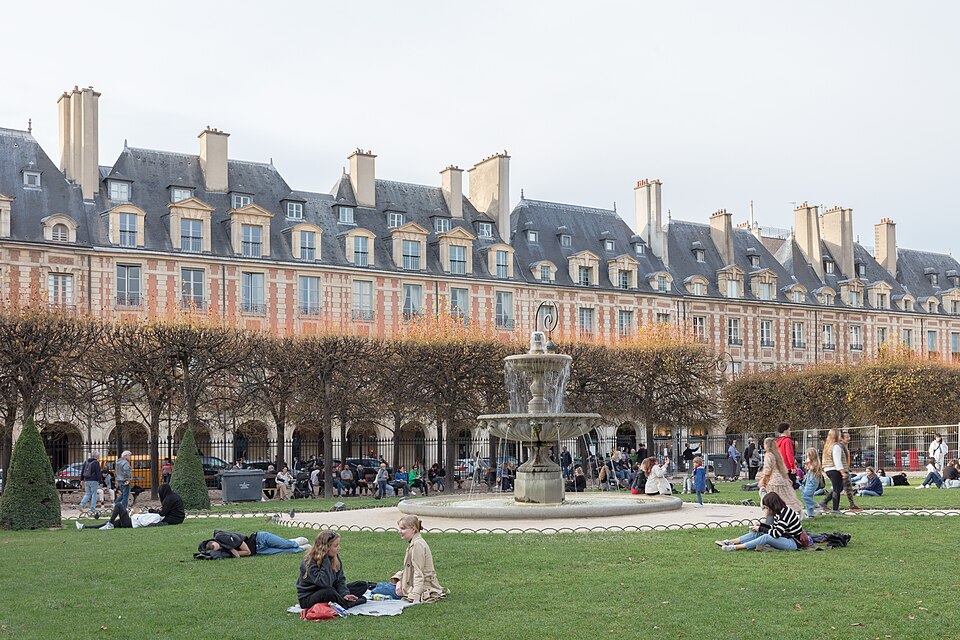
Pick Paris if you want polished streets, the world's great art museums, café life and easy day trips like Versailles, and you can live with higher hotel prices and cool, gray winters. Pick Rome if ancient ruins, the Vatican and long outdoor evenings matter most, and you want food and rooms that cost a little less; accept more heat, harder cobbles and a thinner metro. Families with teens and art lovers lean Paris; history buffs, food-first travelers and budget travelers lean Rome.
For most first trips, the best answer is both: the cities are two hours apart by air, share the same Schengen entry rules, and split well over seven or eight days.
Paris and Rome side by side
| Paris | Rome | |
|---|---|---|
| Best for | Art museums, cafés, shopping, day trips, teens | Ancient history, the Vatican, food, evening street life |
| Nonstops from the US | From roughly 25 US cities in summer 2027; about 7–7.5 hr from New York | A dozen or so cities in summer, fewer in winter; about 8–9 hr from the East Coast |
| Airport to center | CDG, 16 miles (25 km): RER B €14 (about $16), or flat taxi €56–65 (about $63–73) | Fiumicino, 19 miles (30 km): Leonardo Express €14 (about $16), or flat taxi €55 (about $62) |
| Days for a first visit | 3 for the highlights, 5–7 to feel at home | 3 minimum, 4–5 to slow down |
| Three-star hotel for two | €150–250 in low season, €220–350 in high season | €120–250 for a three-star or B&B |
| Typical lunch | Bistro set menu €18–32 (about $20–36) | Trattoria pasta under €15 (about $17) |
| Headline tickets | Louvre €32, Eiffel Tower summit €36.70 (about $41) | Vatican Museums €25 (about $28) online, Colosseum €18–24 (about $20–27) |
| Free classics | Notre-Dame, Sacré-Cœur, city museums such as the Petit Palais and Carnavalet | St. Peter's Basilica, hundreds of churches with Caravaggios and Berninis, the piazzas |
| Transit | Dense Métro; €2.55 (about $2.90) a ride | Three metro lines plus buses; €1.50 (about $1.70) for 100 minutes |
| Walking | 8–12 miles (13–19 km) a day, mostly flat | 6–10 miles (10–16 km) a day on slippery cobbles and hills |
| Average highs | January 46°F (8°C), July 78°F (26°C) | January 55°F (13°C), July 89°F (32°C) |
| US advisory | Level 2, Exercise Increased Caution (terrorism, unrest) | Level 2, Exercise Increased Caution (terrorism) |
Sights and timed tickets
Both cities run their headline sights on timed tickets. Paris rewards booking as soon as your dates are firm; Rome's two big tickets open on fixed windows you need to watch.
Paris
The Louvre has charged visitors from outside the European Economic Area €32 (about $36) since January 14, 2026, and it is closed on Tuesdays. Under-18s go free but need a slot. Book on the official Louvre site. The Eiffel Tower costs €23.50 (about $26) by elevator to the 2nd floor and €36.70 (about $41) to the summit; since September 29, 2026, even the stairs need a reservation on the tower's official site, and 2027 prices start January 11.
Add Orsay, Sainte-Chapelle and Notre-Dame (free since it reopened in December 2024). Paris sights has every price and the math on the Museum Pass (€85, €105 or €125 for 2, 4 or 6 days).
Rome
The Vatican Museums and Sistine Chapel cost €20 (about $22) at the door or €25 (about $28) online, on the only official shop, tickets.museivaticani.va. St. Peter's Basilica is free. The Colosseum sells each date exactly 30 days ahead on ticketing.colosseo.it: €18 (about $20) for the standard ticket with the Forum and Palatine, €24 (about $27) for the underground and arena. Tickets carry your name, and you show your passport at the gate.
The Pantheon now costs €7 (about $8) and the Trevi Fountain's basin area €2 (about $2.25). See Rome sights, the Vatican and Colosseum tickets.
| Sight | Adult price (2026) | Book | Closed |
|---|---|---|---|
| Louvre | €32 (about $36) | As soon as dates are firm | Tuesday |
| Eiffel Tower | €14.80–36.70 (about $17–41) | As soon as dates are firm; summer sells out weeks ahead | Open daily |
| Musée d'Orsay | €16 (about $18) online | A few days ahead | Monday |
| Vatican Museums | €25 (about $28) online | Up to about 60 days ahead | Most Sundays |
| Colosseum, Forum, Palatine | €18–24 (about $20–27) | Exactly 30 days ahead | December 25, January 1 |
| Borghese Gallery | About €18 (about $20) | About six weeks ahead | Monday |
Watch out
Search ads for "Vatican tickets", "Colosseum tickets" and "Louvre tickets" often lead to lookalike resellers charging two or three times the price. Type the official addresses above yourself.

Costs per day, with hotel prices
Rome is cheaper, mostly on hotels and dinner; the big sights cost about the same.
| Per person per day, before flights | Paris | Rome |
|---|---|---|
| Budget (hostel or simple hotel, picnics, free sights) | About €110–175 (about $125–195) | €100–140 (about $112–157) |
| Mid-range (three-star hotel, sit-down meals, two sights) | About €220–350 (about $245–390) | €200–300 (about $224–336) |
| Comfortable or luxury | €700 (about $785) and up | €400–600 (about $448–672) and up |
Paris figures are half our per-couple estimates. A three-star room for two in Paris runs €150–250 in low season and €220–350 in high season, with four-star and boutique hotels at €250–450 and €350–650. In Rome a three-star hotel or B&B in Monti, Prati or Trastevere is €120–250, and a four-star or boutique hotel in the Centro Storico €250–450.
Both cities add a tourist tax per person per night, usually at checkout and often missing from the online price. In Rome it is €3.50 (about $4) at a hostel to €10 (about $11) at a five-star for up to 10 nights, with under-10s exempt. In Paris it runs from €2.60 (about $2.90) at hostels to €11.70 (about $13) at five-star hotels, and more at palace hotels.
Save money
Paris and Rome both drop hotel prices in January, February and much of November. In both cities, eat your main meal at lunch, drink coffee standing at the bar, and fill a bottle at the free fountains: Paris's green Wallace fountains and Rome's nasoni (cast-iron street spouts).
Where to stay
Paris: first-timers do best in the Marais (3rd and 4th), Saint-Germain (6th) or the Latin Quarter (5th), all walkable to the river sights. Families like the 7th near the Eiffel Tower and the 15th. Budget travelers get real neighborhoods in the 10th, 11th and 13th, 15 to 25 minutes by Métro from the center. See Paris neighborhoods.
Rome: stay in the Centro Storico around the Pantheon and Piazza Navona, in Monti by the Forum, or in Trastevere across the river. Prati is calmer and handy for the Vatican. Termini has the lowest rates and the best transport, on scruffier streets. Many sit on upper floors of old palazzi with tiny elevators or none. See Rome neighborhoods.
Food
Paris eats on a schedule: lunch runs from about noon to 2 p.m., Parisians book dinner for 8 or 8:30, and the best value is the lunch formule (set menu) at €18–32. Bakeries, markets and the cheap old bouillons (canteens with mains from about €7) keep it affordable, and service is included by law. See eating in Paris.
Rome's cooking is simpler and cheaper: cacio e pepe, carbonara, artichokes, thin crackly pizza and supplì (fried rice balls). Trattoria pasta is usually under €15, a three-course dinner for two with wine runs €70–130 (about $78–146), and the bill carries a coperto (cover charge) of a couple of euros a head. Romans eat dinner late, from about 8 p.m. See Rome food.
Paris wins for bakeries, wine bars and fine dining; Rome for everyday value and meals outdoors.
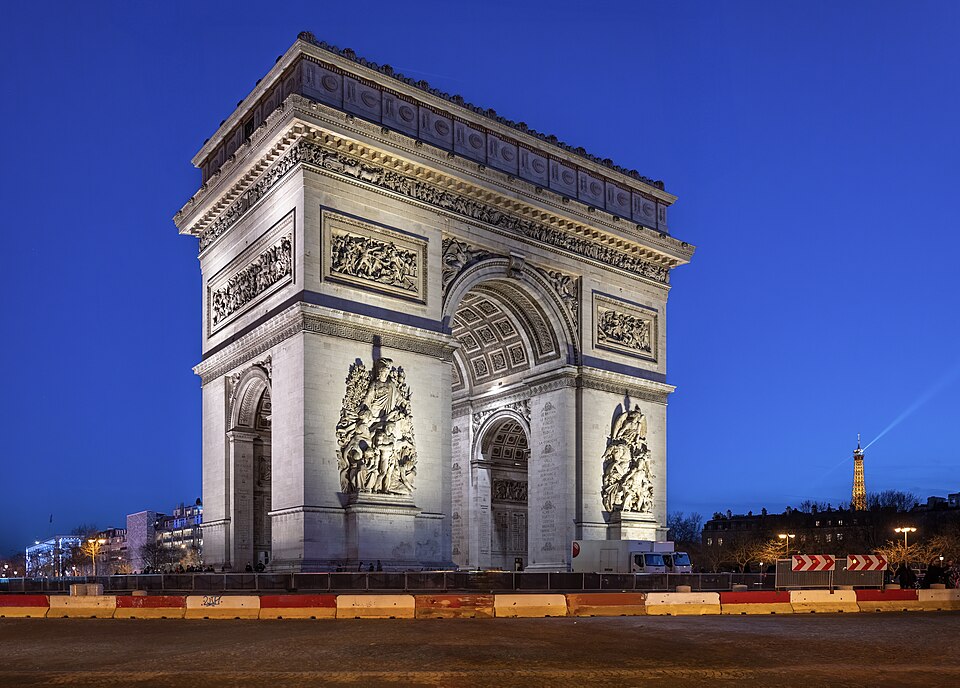

Walking, metro and airports
Paris is flat and compact, and you are rarely more than five minutes from a Métro station. Paper tickets are gone: buy a €2 Navigo Easy card or use the official apps, and load rides at €2.55 or a Monday-to-Sunday week pass at €32.40 (about $36). Tapping a US credit card works only on buses, the Montmartre funicular and the Orly line 14 gates so far. Details on getting around Paris.
Rome's metro has only three lines because every dig hits ruins, so you walk most of the center and use buses and Tram 8 for the gaps. You can tap a contactless card or phone at metro gates and on buses for €1.50 a ride, or buy 24-, 48- or 72-hour passes for €8.50, €15 or €22. Driving in either center is a mistake: Rome's ZTL cameras send fines months later, and Paris bans through traffic in the 1st to 4th arrondissements.
Different from home
You will walk more than you think: 8–12 miles a day is normal in Paris and 6–10 in Rome. Rome's black basalt cobbles (sampietrini) are hard on feet and slick when wet. Bring broken-in shoes with cushioned soles, not new ones.
Crowds and heat by season
| Season | Paris | Rome |
|---|---|---|
| Spring (April–May) | Highs 62–68°F (17–20°C); good value, spring school holidays add crowds | Highs around 67°F (19°C) in April; peak prices and Easter crowds |
| Summer (June–August) | Average high 78°F (26°C), heat waves above 95°F (35°C); many older rooms lack AC; some local shops close in August | Highs 89°F (32°C), often 95–100°F (35–38°C); unshaded Forum; sightsee early and rest 1–4 p.m. |
| Fall (September–October) | October highs 62°F (17°C); Fashion Week pushes up hotels in late September | October highs 73°F (23°C); one of the best months, still busy |
| Winter (November–February) | Highs 46–52°F (8–11°C), short gray days, lowest prices outside Christmas | January highs 55°F (13°C), quiet sites, low prices; Colosseum closes at 4:30 p.m. |
In July or August, Paris is more comfortable; from November to March, Rome's milder afternoons win. Month by month: see when to go to France, when to go to Italy, Italy in November and France in December.
Safety and pickpockets
The US State Department rates both countries Level 2, Exercise Increased Caution, the same as most of Western Europe. For France it cites terrorism and civil unrest (advisory reissued October 21, 2026); for Italy, terrorism. Violent crime against visitors is rare; theft is the real risk.
- Paris: pickpockets work the Métro (line 4 through Châtelet, Gare du Nord and Barbès is notorious), the Mona Lisa crowd and the Eiffel Tower and Sacré-Cœur areas. Ignore clipboard "petition" teams, string-bracelet sellers and anyone who "finds" a gold ring. Protests can close sights at short notice: on October 24, 2026, the Louvre and Orsay both shut for the day.
- Rome: buses 40 and 64 and metro Line A between Termini and Ottaviano are the hot spots, along with the Trevi crush. Costumed centurions at the Colosseum demand €20 or more for photos. Transit strikes, usually on a Friday or Monday, keep rush-hour service.
Wear bags in front and keep phones off café tables. See France safety and Italy safety.
Families, couples, art lovers and budget travelers
Families
Paris is easier with older kids and teens. Under-18s get in free at national museums and monuments, including the Louvre and Versailles, and the Eiffel Tower charges ages 12–24 half price. Add the Luxembourg Gardens' toy sailboats and Disneyland, one €2.55 RER ticket away. Rome lets under-18s into the Colosseum and Pantheon free, but heat and cobbles make strollers hard work. See Paris with kids.
Couples
Both are romantic in different keys. Paris has the Seine at dusk, the tower sparkling on the hour and Montmartre lanes. Rome has warm Trastevere evenings, an aperitivo (pre-dinner drink) on a piazza and the Trevi Fountain after 10 p.m., free and quiet.
Art lovers
Paris is the deeper art city: the Louvre, Orsay's Impressionists, Monet's Water Lilies, Rodin and Picasso. The Centre Pompidou is closed until 2030. Rome is the better city for Renaissance and Baroque art in place: the Sistine Chapel and Raphael Rooms, Bernini's marbles at the Borghese, and free Caravaggios in San Luigi dei Francesi and Santa Maria del Popolo.
Budget travelers
Rome stretches dollars further: cheaper rooms, pizza by the slice, free churches, and free state sites on the first Sunday of the month (crowded). The Vatican Museums are free on the last Sunday, with the remaining 2026 dates on November 29 and December 27. Paris counters with free city museums, park picnics and free Louvre entry on the first Friday evening of most months.
Entry rules: Schengen, EES and ETIAS
France and Italy follow the same rules, and one clock covers both. As a US citizen you can spend up to 90 days in any rolling 180-day period in the 29 Schengen countries combined, with no visa. Your passport must have been issued within the last 10 years and be valid at least three months after you leave the Schengen area; the State Department recommends six months.
The EU's Entry/Exit System has been fully running since April 10, 2026. At your first Schengen airport, whether CDG or Fiumicino, you give four fingerprints and a photo; children under 12 are photographed only. It is free, and morning arrival waves can mean up to two hours in line, so leave your first hours unbooked. A Paris–Rome flight stays inside Schengen, so there is no passport control when you land, though airlines still check ID at boarding.
ETIAS, the EU's planned online travel authorization (€20, valid three years), is not operating as of October 2026. The EU dropped its late-2026 target and promises months of notice. Any site charging you for ETIAS or EES now is a scam. Our ETIAS guide tracks the launch, and entry requirements by country covers the rest of your trip.
Which first, and how many days
With four or five days, pick one city; the transfer eats most of a day. With seven to ten, give each three or four nights. With ten to fourteen, add Florence, about 1 hr 30 min from Rome by fast train; see Rome vs Florence.
The order matters less than your flights. Start where your best nonstop lands and book an open-jaw ticket (into one city, home from the other), which usually costs about the same as a round trip. Then plan around closures: the Louvre on Tuesday, Orsay and the Borghese on Monday, the Vatican Museums on most Sundays.
Doing both in one trip
Fly: the practical choice
Nonstop flights take about 2 hours 5 minutes, and there are dozens a day. Air France and ITA Airways fly between Charles de Gaulle and Fiumicino, and low-cost airlines including easyJet and Ryanair add more, some from Orly or Beauvais. In late October 2026, the lowest fares on one big comparison site ran about €40–75 (about $45–84) one way for November through June and around €90 (about $100) in July and August, before bags; full-service fares cost more but usually include a bag. Watch the airports: Beauvais is about 53 miles (85 km) from Paris and Ciampino has no train station. Door to door, allow five to six hours.
Train: for rail lovers
There is no direct train and, since the Thello sleeper ended in 2020, no night train. Trenitalia's Frecciarossa leaves Paris Gare de Lyon early in the morning (around 6:30 a.m. on weekdays in the current timetable), runs about 7 hours through the Alps to Milan, and connects to a Rome train arriving in the early evening, about 10 to 11 hours in all. SNCF's TGV via Turin is the other route. You buy two tickets; book on the Trenitalia site or app early, or break the trip in Lyon, Turin or Milan. See Italy and Europe and trains in France.
A sample eight days
- Days 1–2
Paris arrival and the Louvre
EES at CDG, RER B into town, a walk along the Seine. Next day, the Louvre at opening (not a Tuesday), the Tuileries and the Champs-Élysées.
- Days 3–4
Left Bank and Versailles
Notre-Dame, Sainte-Chapelle, Orsay and the Eiffel Tower at dusk; then Versailles by RER C (not a Monday) or Montmartre.
- Day 5
Fly to Rome
Midmorning flight, Leonardo Express to Termini, an evening walk from the Pantheon to Piazza Navona.
- Days 6–7
Ancient Rome and the Vatican
Colosseum at opening (booked 30 days out), the Forum and dinner in Monti; next day the first Vatican slot, St. Peter's and Trastevere.
- Day 8
Fly home
Allow three hours at Fiumicino for a US-bound flight.
Choose Paris if… / Choose Rome if…
Choose Paris if…
- Museums and painting are the main reason you are going.
- You are traveling in July or August and want milder heat.
- You want classic day trips: Versailles, Giverny, Champagne or Normandy.
- You plan to add London by Eurostar; see London vs Paris.
- Your kids are teens who will love the free national museums and the tower.
Choose Rome if…
- The Colosseum, the Forum and the Vatican top your list.
- You want a cheaper city for rooms and meals.
- You are traveling November to March and want milder days.
- You want Florence, Naples or Pompeii within easy train range.
- You can book on fixed windows: 30 days for the Colosseum, up to 60 for the Vatican.
Still torn? Plan both with the France planning guide and Italy planning guide, and check entry rules on France entry and Italy entry.