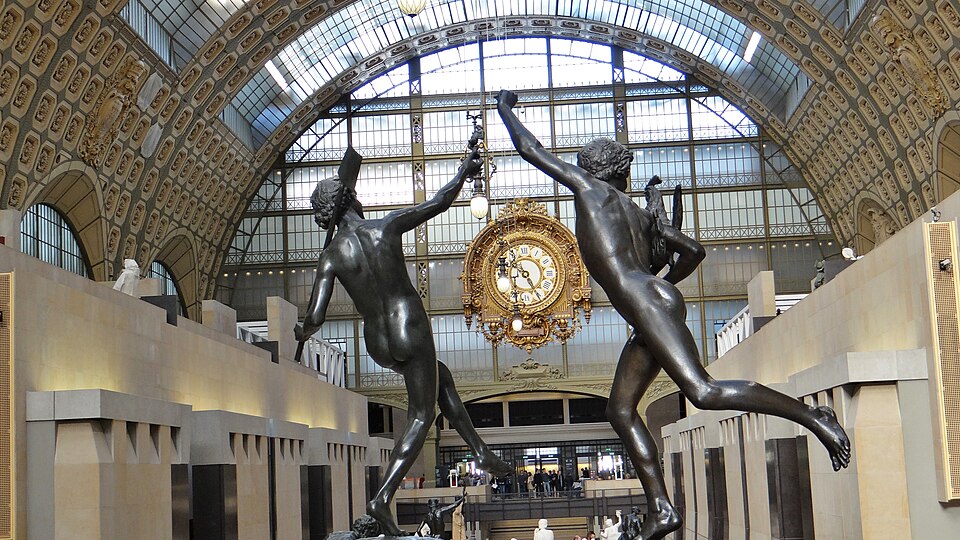
Three days is enough to see the big four (Notre-Dame, the Louvre, the Musée d'Orsay and the Eiffel Tower) plus Montmartre and the Marais at a walking pace, if you group the sights by area and book four timed tickets before you fly. Base yourself on the Left Bank or in the Marais, keep the Louvre day off Tuesday and the other two days off Monday, and you will spend your time looking at Paris instead of standing in lines.
This plan suits first-time visitors who want the classics without rushing. It assumes about 8 to 10 miles (13 to 16 km) of walking a day, broken up by short Métro rides. If you would rather go slower, see the five-day version on our Paris overview; if Paris is one stop on a longer trip, see our France itinerary.
Which day goes where
Paris museums split their closing days so that something big is always open, but that also means the order of your days matters. The plan below has one simple rule: Day 2 (the Louvre) must not fall on a Tuesday, and Days 1 and 3 (Orsay, Carnavalet, Picasso) must not fall on a Monday.
| Your three days | Do them in this order |
|---|---|
| Sunday to Tuesday | Day 1 on Sunday, Day 2 on Monday, Day 3 on Tuesday |
| Monday to Wednesday | Day 2 on Monday, Day 1 on Tuesday, Day 3 on Wednesday |
| Tuesday to Thursday | Day 1 on Tuesday, Day 2 on Wednesday (Louvre open to 9 p.m.), Day 3 on Thursday |
| Wednesday to Friday | Any order; put the Louvre on Wednesday or Friday for the late opening |
| Thursday to Saturday, or Friday to Sunday | Any order; on a Thursday, Orsay stays open to 9:45 p.m. |
Two more dates to watch. On the first Sunday of the month, the Orsay, the Orangerie, the Picasso museum and, from November to March, the Arc de Triomphe and Sainte-Chapelle are free, and they are packed. And from mid-November to mid-January the sun sets around 5 p.m., so plan views for late afternoon and museums for the morning. Closing days for every major sight are on Paris sights.
The day-by-day plan
- Day 1
The islands, the Latin Quarter and the Musée d'Orsay
Morning. Start at Notre-Dame when it opens (check the day's hours on the cathedral site). Entry is free; reserve a free time slot online to skip most of the standby line, and give it 45 minutes to an hour. Walk five minutes across the island to Sainte-Chapelle for a timed slot around 10 or 11 a.m., when the light through its 15 stained-glass windows is at its best on a bright day. It sits inside the Palais de Justice, so expect airport-style security and arrive at your slot time, not earlier. If you bought the combined ticket, the Conciergerie next door takes another hour.
Afternoon. Cross the Pont Saint-Michel into the Latin Quarter. Eat lunch around Place Maubert or along Rue Mouffetard, about 15 minutes' walk uphill, and skip the photo-menu restaurants on Rue de la Huchette. Walk past the Panthéon to the Luxembourg Gardens (5 minutes), then through Saint-Sulpice to Saint-Germain-des-Prés. From there it is a 15-minute walk to the Musée d'Orsay. Arrive by about 3 p.m. so you have time for the fifth-floor Impressionist galleries before the 6 p.m. close. Orsay is closed Monday.
Evening. Walk east along the quays (about 15 to 20 minutes) to the Square du Vert-Galant at the tip of the Île de la Cité for a one-hour Seine cruise after dark, when the monuments are lit. Eat in Saint-Germain or the Latin Quarter; both have bistros at every price.
- Day 2
The Louvre, the Tuileries and the Arc de Triomphe
Morning. Be at the Louvre for the 9 a.m. opening with a timed ticket. The Carrousel du Louvre entrance, through the underground mall at 99 rue de Rivoli or from the Palais-Royal–Musée du Louvre Métro station (lines 1 and 7), often has a shorter security line than the Pyramid. Give it three hours, see the Mona Lisa first or last, and spend real time in the quieter Richelieu wing. The Louvre is closed Tuesday, and once you leave you cannot go back in on the same ticket.
Afternoon. Lunch around the Palais-Royal gardens or on Rue Montorgueil in the 2nd, about 10 minutes' walk north. Then walk the length of the Tuileries Garden (about 15 minutes) to the Musée de l'Orangerie for Monet's Water Lilies, an hour at most (also closed Tuesday). From Place de la Concorde, either walk the Champs-Élysées to the Arc de Triomphe, about 1.2 miles (2 km) or 35 to 45 minutes at a stroll, or ride Métro line 1 four stops to Charles de Gaulle–Étoile.
Evening. Climb the Arc de Triomphe around sunset. The elevator has been out of service since July 2026, so the only way up is 284 steps. At 6:30 p.m. you can watch the rekindling of the flame at the Tomb of the Unknown Soldier for free. For dinner, take Métro line 2 from Charles de Gaulle–Étoile to Pigalle (about 15 minutes) and eat in South Pigalle, around Rue des Martyrs.
- Day 3
Montmartre, the Marais and the Eiffel Tower
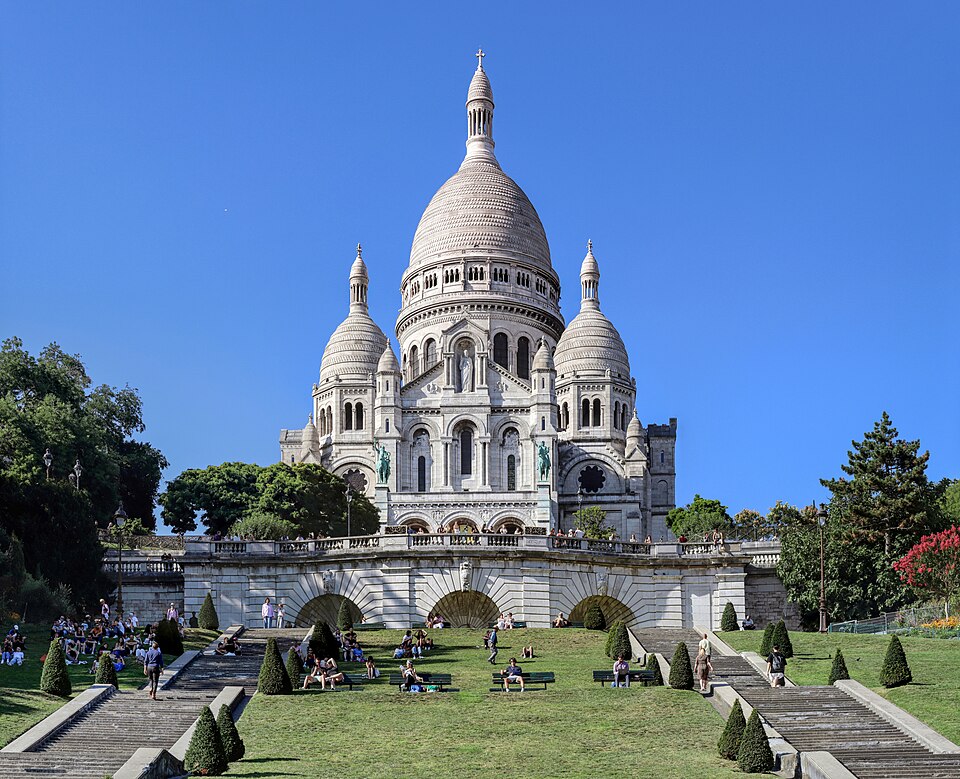
Morning. Go early, before 10 a.m., when Montmartre is quiet and the bracelet hustlers on the Sacré-Cœur steps have not arrived. Take Métro line 12 to Abbesses (use the elevator; it is a very deep station), then climb through the lanes to Sacré-Cœur, free and open from 6:30 a.m. Wander Place du Tertre and the quieter streets on the western side of the hill. Allow about three hours.
Afternoon. Ride back down to the Marais, about 30 minutes by Métro (line 12 to Concorde, then line 1 to Saint-Paul). Have lunch around Rue des Rosiers, known for its falafel, or at the Marché des Enfants Rouges in the 3rd. Walk to the Place des Vosges, then visit the Musée Carnavalet, the free museum of Paris history (closed Monday), or the Musée Picasso (€16, also closed Monday).
Evening. Take Métro line 1 to Charles de Gaulle–Étoile and line 6 to Bir-Hakeim, about 35 to 40 minutes from Saint-Paul, for an Eiffel Tower slot about an hour before sunset: around 4 p.m. in winter, much later in summer. With security and the summit, plan two to three hours. Afterward, watch the tower sparkle for five minutes on the hour from the Trocadéro, and eat around Rue Cler and Avenue de La Motte-Picquet in the 7th.
Insider tip
Carry a refillable bottle. Paris has more than a thousand public drinking fountains, and in restaurants you can ask for une carafe d'eau (a pitcher of tap water), which is free. Free self-cleaning street toilets, called sanisettes, are on many sidewalks.
What to book now
Four tickets make or break this plan: the Eiffel Tower, the Louvre, Sainte-Chapelle and the Orsay. Book them on the official sites below, not on resale sites, which add markups and whose tickets the Louvre warns may be refused. Prices are what an adult American pays in 2026; under-18s are free at the Louvre, Orsay, Orangerie, Sainte-Chapelle and the Arc de Triomphe but still need a time slot where one is required.
| Sight | Book how far ahead | Official site | Adult price (2026) |
|---|---|---|---|
| Eiffel Tower | As soon as your dates are firm; weeks ahead for holidays and summer | toureiffel.paris | €23.50 (about $26) elevator to 2nd floor; €36.70 (about $41) to the summit; new prices from January 11, 2027 |
| Louvre | 2 to 4 weeks; reservations were mandatory for everyone during the last school holidays | louvre.fr | €32 (about $36) for non-EEA visitors |
| Sainte-Chapelle | 1 to 2 weeks | sainte-chapelle.fr | €22 (about $25); €30 (about $34) with the Conciergerie |
| Musée d'Orsay | A week or two | musee-orsay.fr | €16 (about $18) online |
| Musée de l'Orangerie | A few days | musee-orangerie.fr | €12.50 (about $14) online |
| Arc de Triomphe | A day or two; rarely sells out | paris-arc-de-triomphe.fr | €16 (about $18) October to March; €22 April to September |
| Notre-Dame | A few days, for a free slot | notredamedeparis.fr | Free |
| Seine cruise | The day before, online | Operator sites | About €15–17 (about $17–19) online |
Save money
A 2-day Paris Museum Pass (€85, about $95) fits this plan neatly. Start it at Sainte-Chapelle on Day 1 and it covers Sainte-Chapelle and the Conciergerie (€30), the Orsay (€16), the Louvre (€32), the Orangerie (€12.50) and the Arc de Triomphe (€16) before it expires on the morning of Day 3. That is €106.50 of tickets, a saving of about €21.50 (about $24). It does not cover the Eiffel Tower, and you still have to book a free time slot at each site that requires one.
What three days cost
Per person per day, not counting your hotel or flights. These are typical 2026 prices; your own numbers will depend mostly on how you eat. For the full picture, use our budget calculator and see money and tipping.
| Item | Budget | Mid-range | Comfort |
|---|---|---|---|
| Breakfast | Bakery, €4–6 | Café, €8–15 | Hotel buffet, €25–40 |
| Lunch | Falafel, crêpe or picnic, €8–15 | Bistro set menu (formule), €20–30 | Long lunch with wine, €45–80 |
| Dinner | Set menu in the 10th, 11th or 13th, €20–30 | Bistro dinner with wine, €40–60 | Fine dining, €100 and up |
| Sights | Free museums plus one paid sight, €10–25 | Two or three paid sights, or the Museum Pass, €35–55 | Summit tickets, a guided tour, €60–150 |
| Transport | Walking plus 2–4 Métro rides, €5–10 | Métro and one taxi, €10–25 | Taxis and ride-hail, €40–80 |
| Per day | About €60–90 ($67–100) | About €130–200 ($145–225) | About €250 ($280) and up |
Service is included in French restaurant prices by law, so tipping is optional; rounding up or leaving a couple of euros for good service is plenty. Coffee drunk standing at the bar costs less than at a table. Eat your main meal at lunch, when set menus are much cheaper than dinner.
Different from home
Paris adds a tourist tax to your hotel bill per adult per night, and it is often missing from the price you saw online. In 2026 it runs from €2.60 (about $2.90) at a one-star hotel to €8.45 (about $9.45) at a four-star. For two adults in a three-star hotel for four nights, budget about €44 (about $50) on top of the room rate.
Where to stay for this itinerary
This plan starts on the Île de la Cité and ends at the Eiffel Tower, so the most convenient bases are the Latin Quarter (5th) and Saint-Germain-des-Prés (6th). Both are a short walk from Notre-Dame and the Orsay, and the RER B from Charles de Gaulle airport stops at Saint-Michel–Notre-Dame and Luxembourg with no change. The Marais (3rd and 4th) works just as well and puts you closer to the Louvre and Montmartre; the 7th is calmer and closest to the tower but quiet at night.
Book a hotel within a five-minute walk of a Métro station, ideally one with two or more lines. Saving money with a hotel far out costs you an hour a day in transit, which is a lot when you only have three. Compare neighborhoods, prices and example hotels on where to stay in Paris, and see where to stay in France for booking tips and rental rules.
Getting in from the airport
Nearly every nonstop flight from the US lands at Charles de Gaulle (CDG), about 16 miles (25 km) northeast of the center. Your options:
- RER B train: the €14 (about $16) Paris Region–Airports ticket, loaded on a €2 Navigo Easy card or your phone. About 30 minutes to Gare du Nord and 35 to 40 to Châtelet, Saint-Michel and Luxembourg. Best for couples and solo travelers with light bags.
- Official taxi: a flat fare of €56 (about $63) to the Right Bank or €65 (about $73) to the Left Bank for the whole car, set by decree for 2026. Take one only from the marked rank outside, never from someone who approaches you inside the terminal.
- From Orly: Métro line 14 runs straight into the center for the same €14 airport ticket, and an official taxi costs €45 to the Right Bank or €36 to the Left Bank.
If you land in the morning, drop your bags at the hotel, take an easy walk along the Seine, eat dinner on local time and start Day 1 the next morning. Every option, including late-night buses, is on getting around Paris.
Watch out
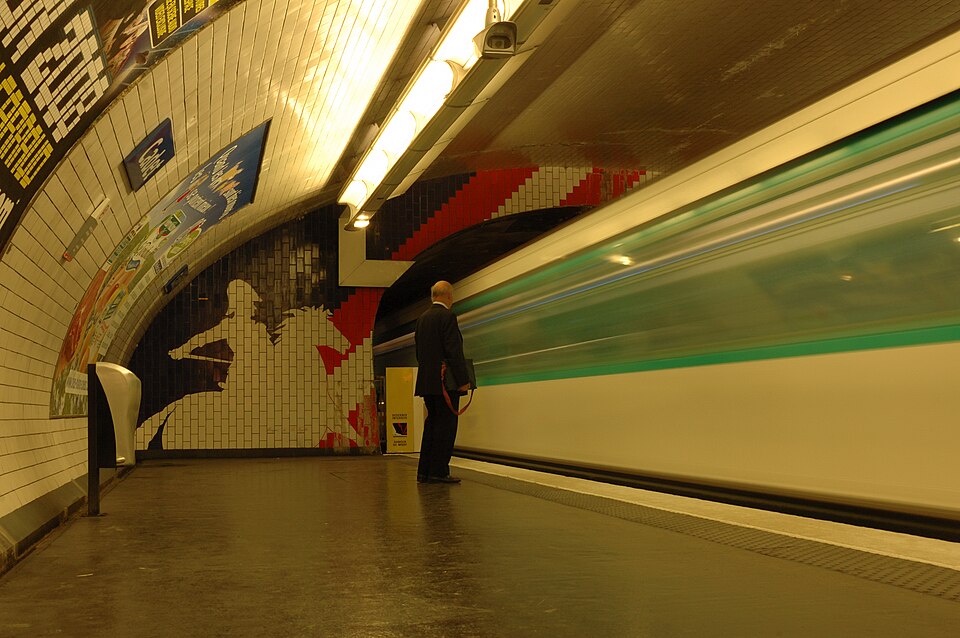
Paper Métro tickets are no longer sold, and the last ones stop working in the Métro and RER on December 15, 2026. Buy a Navigo Easy card (€2) at any station or use the Île-de-France Mobilités app. If your three days fall within one Monday-to-Sunday week and you take the RER B both ways, the €32.40 Navigo Semaine week pass covers the airport trips too, but it needs a €5 Navigo Découverte card and a passport photo.
Variations
With kids
Under-18s get into national museums and monuments free, whatever their nationality, and the Eiffel Tower charges a youth rate for ages 12 to 24. Swap the Orangerie for the Luxembourg Gardens' playground, puppet theater and toy sailboats, and add the Jardin des Plantes in the 5th, with its natural history galleries and small zoo. Montmartre's funicular saves little legs on Day 3 for one Métro fare. More ideas on Paris with kids.
On a rainy day
Rain pushes everyone into the big museums, so go small: the Musée de Cluny (medieval art, closed Monday), the Conciergerie, the free Petit Palais and Carnavalet, or the 19th-century covered passages of the 2nd, such as Galerie Vivienne and Passage des Panoramas. Save Montmartre and the gardens for the dry day.
In winter (November to January)
Short days change the rhythm: book the Eiffel Tower for about 4 p.m. to catch the city in daylight and lit up, and put indoor sights in the morning. From November 22, 2026, the Champs-Élysées lights stay on until midnight, and a Christmas market runs in the avenue's gardens to January 4, 2027, so on Day 2 consider climbing the Arc first and walking down the lit avenue after dark. The Tuileries market runs November 14 to January 3. The Louvre closes on December 25 and January 1, and most museums do the same. See Christmas markets in France, November, December and January.
A fourth day
Add Versailles. The RER C, or SNCF trains from Montparnasse or Saint-Lazare, get you there in 15 to 45 minutes for a regular €2.55 ticket each way. The Passport ticket, the only one that includes the palace, costs Americans €25 (about $28) from November 1 to March 31 and €35 from April to October. The palace is closed Monday, and Tuesday is its busiest day because the Louvre is shut. Other good fourth days: Giverny in season, Champagne or the Loire châteaux; see day trips.
A slower version
Drop the Orangerie and the Arc de Triomphe, and give each afternoon a long café stop. Or spread this plan over four or five days with Versailles in the middle, as in the five-day plan on our Paris overview.
Mistakes to avoid
- Planning the Louvre for a Tuesday or the Orsay for a Monday. Check the weekday of every day before you book a single ticket.
- Showing up without a time slot. The Eiffel Tower, Louvre and Sainte-Chapelle sell out, and since September 29, 2026, even the tower's stairs tickets need a reservation.
- Buying "skip-the-line" tickets from touts or resale sites. They cost more and may not get you in.
- Going straight from the train or airport to the Eiffel Tower. Large suitcases are not allowed and there is no left-luggage service.
- Assuming the Arc de Triomphe has a lift. It is 284 steps until a repair planned for 2027.
- Signing a clipboard "petition" or letting someone tie a bracelet on your wrist. Both are setups; say non merci and keep walking. Keep your phone and wallet zipped away in the Métro and near the big sights. See safety and scams.
- Choosing a free first Sunday on purpose. The savings are real but the crowds are the worst of the month.
- Booking a dinner cruise. Most people do better with a one-hour sightseeing cruise and dinner on land.
Bottom line
Book the Eiffel Tower, the Louvre, Sainte-Chapelle and the Orsay as soon as your dates are set, line your days up with the closing days, and stay where you can walk to the Seine. Do that and three days in Paris feels full without feeling frantic. Pick the slower version if you hate early starts, and add Versailles if you can find a fourth day.
Comparing cities for a first trip to Europe? Read Paris vs Rome, London vs Paris or our 3 days in Rome plan. To see how Paris fits with the rest of France, try the trip builder. Want this planned for you around your dates and pace? Tell us your dates.
Add it to a route in the trip builder, or ask us to plan the hotels, trains and guides for you.