Overview
Spain works for almost any kind of traveler. The same trip can be very different depending on who is on it. A family with a 6-year-old needs a pool and a 2 p.m. lunch; a couple on a honeymoon wants a parador and a long dinner; a wheelchair user needs to know which old quarter is cobbled and which train station has a lift.
This page takes each group in turn and gives the specifics: where to base yourself, how to book, what costs less, and what tends to go wrong. For routes and timing, start with planning your trip and when to go; for the rules at the border, see entry requirements.
Different from home
Spain runs late for everyone, including children and grandparents. Lunch is the main meal, around 2 p.m.; dinner rarely starts before 8:30 p.m. and is often at 9 or 10. You will see toddlers in strollers in town squares at 11 p.m. in summer. Fight it for a day, then go with it. See etiquette.
Families with kids
Spain is one of the easiest countries in Europe to travel with children. Kids are part of public life, waiters fuss over them, and nobody blinks if a child is eating croquetas at a bar counter at 9 p.m. Squares and parks fill with families in the evening, especially once the summer heat breaks.
Where to go
- Madrid: rowboats on the Retiro lake, the cable car (teleférico) to Casa de Campo, the zoo and aquarium, and the Royal Palace's armory for knights and armor. The Prado works for kids in short doses: pick five paintings and go. See Madrid sights.
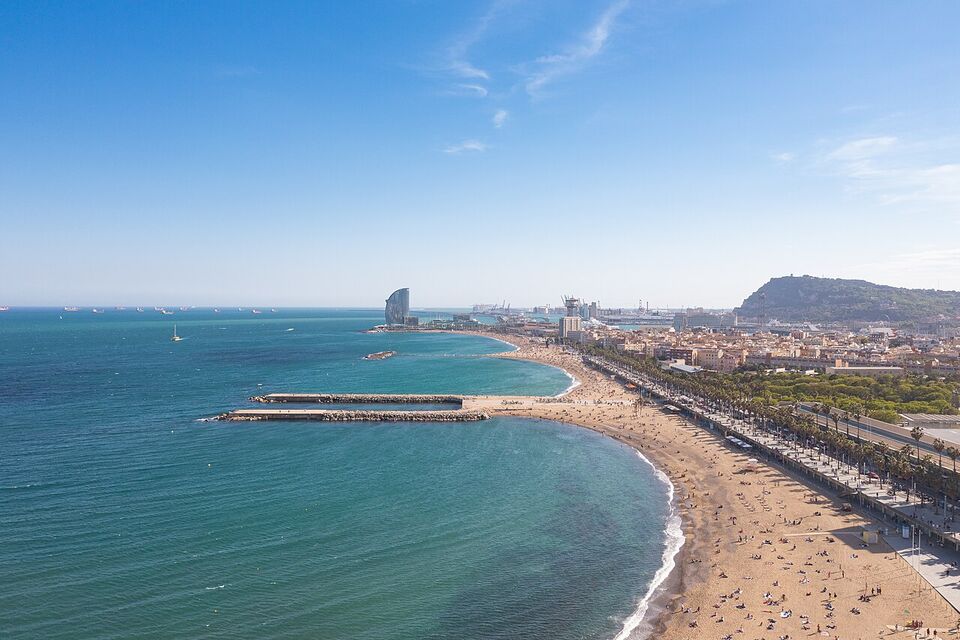
- Barcelona: beaches in the city, the aquarium at Port Vell, the CosmoCaixa science museum, the hilltop Tibidabo amusement park, and Park Güell's dragon. Gaudí's buildings look like they were designed for children. See Barcelona sights.
- Valencia: probably the best city for kids. The Turia, a riverbed turned into a 5.5-mile (9 km) park, has the giant Gulliver playground, and the City of Arts and Sciences has the Oceanogràfic aquarium and a science museum. City beaches are a tram ride away. See Valencia.
- Seville and Granada: horse carriages, rowing boats at the Plaza de España, the Alcázar gardens and the Alhambra's fountains. Granada's science park (Parque de las Ciencias) is a good rainy-day stop.
- Beaches: Menorca, the Costa Brava and the Costa de la Luz have calmer, cleaner water than the big resort strips. The Canary Islands are warm in winter, and Tenerife has large water and animal parks. See the Balearics and the Canaries.
- Theme parks: PortAventura World near Salou (south of Barcelona) is the big one, with Ferrari Land attached; Parque Warner is outside Madrid and Isla Mágica is in Seville. Check opening calendars, since most parks run seasonal schedules.
Trains, cars and gear
Trains are the easiest way to move a family: no car seats, room to walk, and a cafe car. On Renfe, children under 4 travel free if they sit on your lap (you still add them to the booking), and there are reduced fares for older children. Iryo and Ouigo set their own child rules, so check when you book. See getting around.
Watch out
After a fatal collision near Urda (Toledo) on October 28, 2026, high-speed trains between Madrid and Andalusia were suspended; Renfe stopped selling tickets on the route until December 13, 2026, though service may return sooner. Check Renfe, Iryo and Ouigo before you plan, and consider flying or taking a long-distance bus in the meantime.
If you drive, Spanish law requires a child restraint for children up to 135 cm (4 ft 5 in) tall. Rental companies charge per day for car seats, often enough that bringing your own makes sense on a long trip. Many US seats are fine for the plane but are not certified for European cars, so check the rental company's rules. See driving.
Strollers are fine in most of Madrid, Barcelona and Valencia, but miserable on the cobbles and steps of Toledo, the Albaicín in Granada and the white towns. A carrier is better there. Pharmacies sell formula, diapers (pañales) and baby food everywhere.
Insider tip
Book apartments or hotels with a pool from June to September. Andalusia and Madrid regularly pass 95°F (35°C) in July and August, and the only workable plan with kids is sights in the morning, lunch, a pool or a nap, and back out after 7 p.m. Spanish families do exactly this.
Tickets for children
Children usually go free or at reduced prices at museums and monuments, but at the timed-entry sites you often still need a named ticket for each child. That includes the Alhambra and the Sagrada Família, where a family turning up without the kids' tickets can be turned away. Book everyone together. On November 1, 2026 the Sagrada Família's official ticket page said the basilica was temporarily closed to the public, with no reopening date given, so check its site before you plan around a visit. See Alhambra tickets and Sagrada Família tickets.
Eating with kids
Few Spanish restaurants have children's menus, and they do not need them: share plates of tortilla, croquetas, grilled fish, chicken and fries (patatas fritas). A high chair is a trona. Lunch is the easier meal for families, and the menú del día (set lunch with two courses, bread, a drink and dessert) is good value on weekdays. See Spanish food.
Honeymoons and romantic trips
The classic honeymoon is a split: a city or two for food and culture, then a few days by the sea. Seville in spring, with orange blossom and late dinners, followed by Mallorca or Menorca is hard to beat. So is Barcelona followed by the Costa Brava, or San Sebastián's restaurants followed by the quiet coast of Asturias and Cantabria.
Seville and Granada
Courtyard hotels in old palaces, flamenco, rooftop bars facing the cathedral, then the Alhambra at night (the night visits of the Nasrid Palaces are the most atmospheric tickets in Spain). See Seville and Granada.
Mallorca's north coast
Deià, Sóller and Valldemossa in the Serra de Tramuntana: stone villages, olive terraces, coves and long lunches. Spring and early fall avoid the peak crowds. See Mallorca.
San Sebastián
Pintxo bars in the old town, a beach in the city, and some of the world's most celebrated restaurants within a short drive. Book tasting menus months ahead. See the Basque Country.
Paradores
The state-run Parador chain puts hotels in castles, monasteries and palaces, from Granada (inside the Alhambra grounds) to Santiago and the hill towns of Castile. Granada's parador sells out months ahead. See where to stay.
Menorca
Calmer than Mallorca or Ibiza, with turquoise coves reached on foot and small hotels in farmhouses. Good for couples who want to slow down.
The Canaries in winter
The only part of Spain with beach weather from November to March. La Palma and La Gomera for quiet and stars; Lanzarote for volcanic landscapes. See Canary Islands.
Different from home
A legal civil wedding in Spain is hard for non-residents: Spanish rules generally require residency and a long paperwork process. Most American couples marry legally at home and hold a symbolic ceremony in Spain, which a venue or planner can arrange without the bureaucracy. If a legal ceremony matters to you, ask the Spanish consulate that serves your state before you book anything.
For a special dinner, remember the timing: restaurants that seat at 9 p.m. are normal, and booking ahead for the first slot at 8:30 p.m. usually means an empty room. Tasting menus in the Basque Country and Catalonia can run 3–4 hours. See wine for vineyard stays in Rioja and the Penedès.
LGBTQ+ travelers
Spain is one of the most LGBTQ+-friendly countries anywhere. It legalized same-sex marriage in 2005, among the first countries to do so, and the State Department notes no legal restrictions on same-sex relations or LGBTQ+ events. Anti-discrimination laws are strong, and a 2023 law made it easier to change legal gender. Public affection between same-sex couples draws little attention in cities.
Where to go
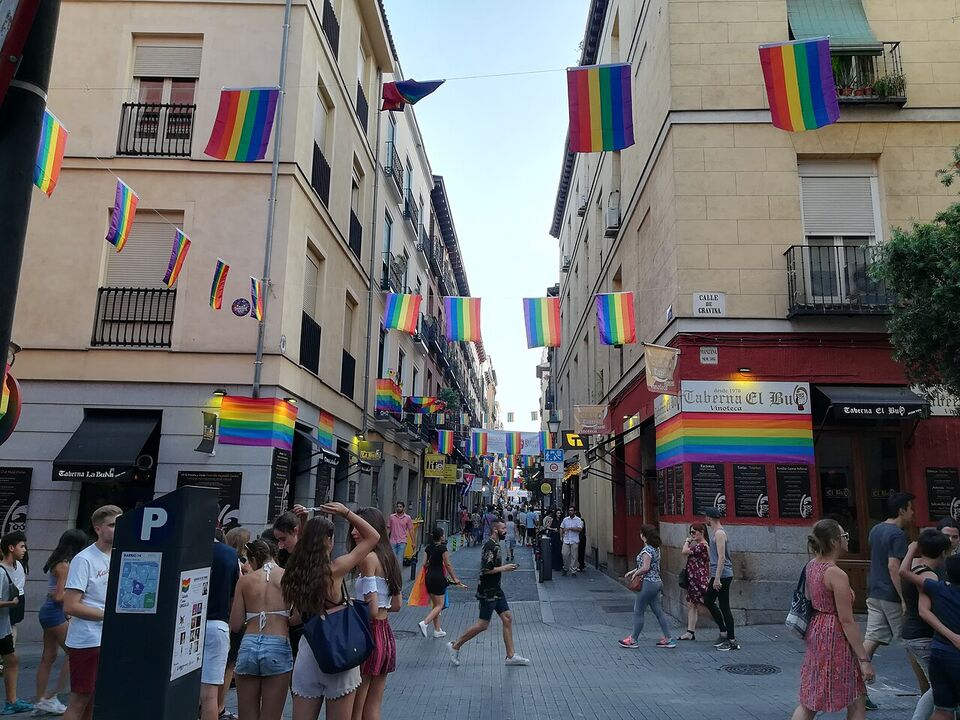
- Madrid: Chueca is the historic gay neighborhood, with bars, shops and the Plaza de Pedro Zerolo. Madrid's Pride, MADO, is one of Europe's biggest. For 2027 the city lists the opening pregón (kickoff speech and party) for Wednesday, June 30, with stages around the center from June 30 to July 4, all still marked "to be confirmed"; the big parade usually falls on the Saturday, which would be July 3. Hotels in the center fill and prices jump, so book early. See Madrid.
- Barcelona: the "Gaixample", a stretch of the Eixample around Carrer de Consell de Cent and Carrer del Comte Borrell, has the bars and clubs. Barcelona Pride is in late June or early July.
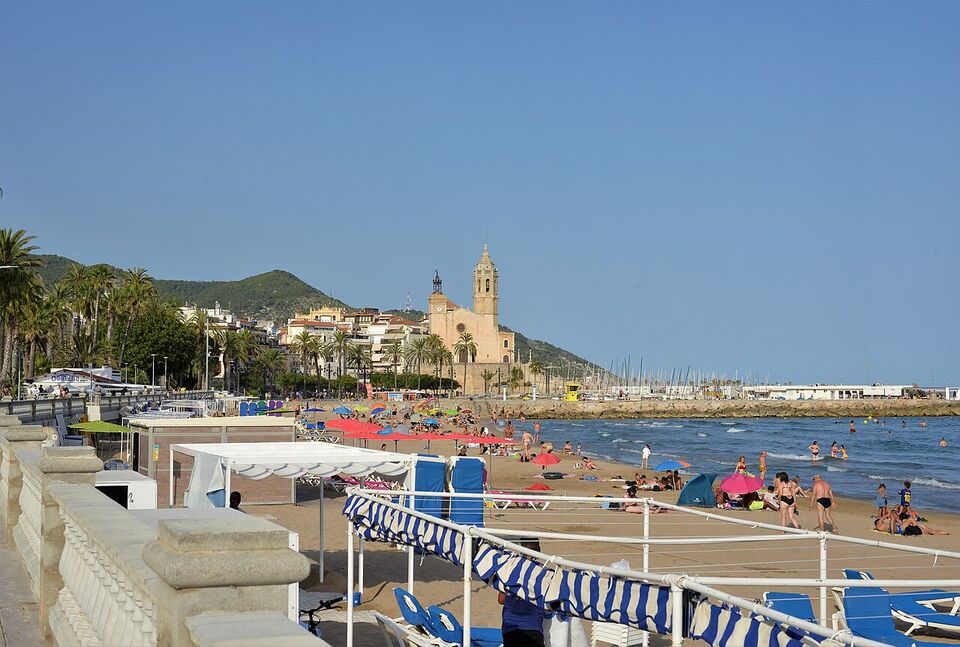
- Sitges: a beach town about 40 minutes south of Barcelona by train, gay-friendly for decades, with a famous Carnival in February and its own Pride in June. See Sitges and the Catalan coast.
- Torremolinos: on the Costa del Sol near Málaga airport, with a long LGBTQ+ history and a Pride in June. See Costa del Sol.
- Gran Canaria: Maspalomas Pride in May is one of the largest in Europe, and the Yumbo Centre in Playa del Inglés is a year-round scene. Ibiza and Benidorm also have big LGBTQ+ followings.
Small towns and rural areas are more conservative, as anywhere, but open hostility is rare. Hate crimes do happen and are taken seriously by police; if something happens, call 112 and report it.
Insider tip
Pride in Spain is late. Street parties start around 9 p.m. and run until the early morning, and the Madrid parade itself starts in the early evening because of the heat. Pace yourself, drink water, and watch your phone: crowds bring pickpockets.
Accessibility and wheelchair users
Spain is better for travelers with disabilities than many Americans expect. Disability discrimination is illegal, and the State Department describes public transportation, lodging and general infrastructure as generally accessible. The catch is history: medieval quarters, hill towns and many old buildings were never built for wheels, and fixes are uneven.
Easier and harder places
- Easier: Valencia (flat, with the Turia park and accessible beaches), Seville (mostly flat, though the Santa Cruz quarter has narrow lanes), Málaga's center, Barcelona's Eixample grid and waterfront, and modern Madrid. Big museums such as the Prado, the Reina Sofía and the Guggenheim Bilbao are accessible.
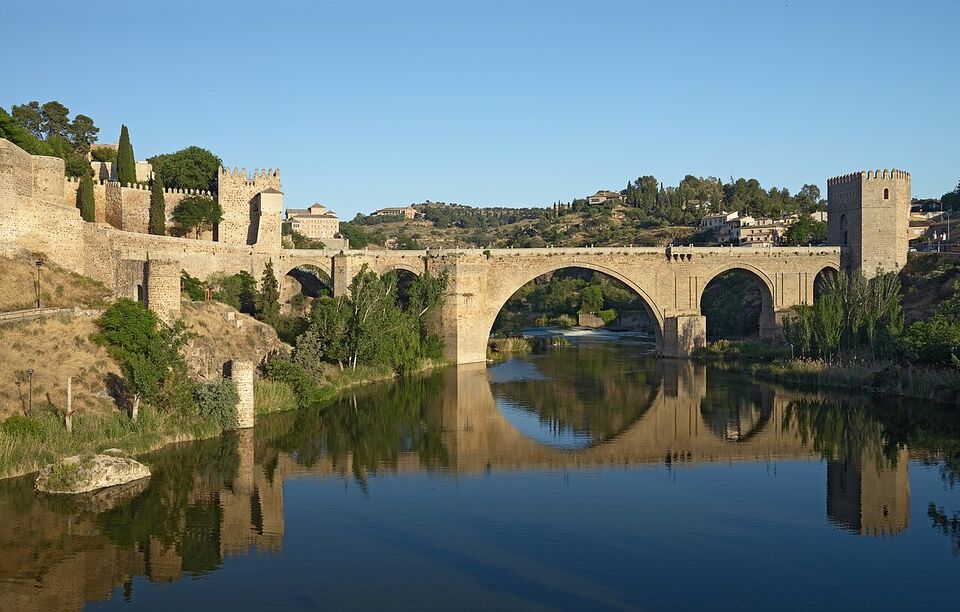
- Harder: Toledo, Cuenca, Ronda, Granada's Albaicín, Santiago's old town and the white towns of Andalusia, all steep with cobbles and steps. Some monuments, such as parts of the Alhambra and the Mezquita-Catedral, have accessible routes but not full access; check each site's own accessibility page before you book.
Getting around
- Trains: Renfe's free Atendo service provides assistance boarding and leaving trains at stations across the network. Request it when you book or by contacting Renfe ahead of travel; the larger the station, the smoother it runs. Iryo and Ouigo have their own assistance arrangements. See getting around.
- Airports: Spanish airports run a free assistance service for passengers with reduced mobility. Ask your airline when you book, ideally at least 48 hours before the flight, and tell them whether you use your own wheelchair.
- City transit: Barcelona's buses are low-floor with ramps and most metro stations have lifts. Madrid's metro is improving, but many older stations still lack elevators, so check the accessibility symbol on the official map before you plan a route. Accessible taxis exist in big cities but usually need booking ahead.
- Beaches: many beaches in Valencia, Catalonia, Andalusia and the islands have accessible boardwalks to the water and, in summer, amphibious chairs with assisted bathing. Look for "playa accesible" signs or ask the local tourist office.
Different from home
Spain numbers floors differently. The ground floor is the planta baja (0 or PB in the elevator), so the "first floor" is the American second floor. Old buildings often have a few steps up to the elevator, and the elevators themselves can be tiny. When you book a hotel, ask for a habitación adaptada (adapted room) and ask about steps at the entrance and the size of the elevator in centimeters.
Many monuments give free or reduced entry to visitors with a disability and sometimes to one companion. Some ask for a certificate showing a 33 percent or higher disability rating under Spanish or EU rules, and a US document may or may not be accepted, so bring whatever paperwork you have and ask politely. Guide dogs and assistance dogs are allowed by law in public places, transport and hotels. See traveling with animals.
Seniors
Spain suits older travelers well: excellent trains, short distances between great cities, and a culture where people in their 70s and 80s are out every evening. The main challenges are heat, hills and late hours.
- Pace it: two or three bases with train rides between them beat a different hotel every night. Madrid, Seville and Barcelona each deserve three nights or more. See sample itineraries.
- Season: April–May and late September–October are ideal. July and August in the south are too hot for most people to sightsee comfortably, and heat waves now reach well past 104°F (40°C). See health.
- Medical cover: Medicare does not cover care abroad, and the European Health Insurance Card is for EU residents only. Buy travel medical insurance that includes evacuation. Bring prescriptions in original containers with a copy of the prescription using generic drug names.
- Discounts: many museums and monuments have reduced prices for visitors over 65, but some limit them to EU residents. Carry your passport and ask. Paradores has long run offers for travelers over 55; check its current deals.
- Stairs and luggage: high-speed trains have a step up, old hotels have stairs, and cobbles wreck rolling bags. Pack light, or use a luggage transfer between hotels.
Insider tip
If you want an easy version of the Camino de Santiago, walk the last 100 km (62 miles) from Sarria in short stages with a company that books hotels and moves your bags each day. Many walkers are retirees. See the Camino. For a few months each winter in the Canaries or on the Costa del Sol, watch the 90/180-day limit and see long stays.
Solo travelers
Spain is one of the best countries in Europe to travel alone. Tapas culture is built for it: you stand or sit at the bar (la barra), order one or two small plates and a caña (small draft beer) or a glass of wine, and move on. Nobody thinks twice about a person eating alone at the counter, and you will often end up talking to the bartender or the people next to you.
- Meet people: walking tours (many run on tips), cooking classes, flamenco classes, hostel events, and day hikes or bike tours. The Camino de Santiago is the classic solo trip; you are almost never alone unless you want to be. See flamenco and the outdoors.
- Rooms: hostels in Spain are often modern, with private rooms as well as dorms. Single hotel rooms exist but are small; many hotels charge nearly the double rate for one person. See where to stay.
- Getting home at night: Madrid's metro closes around 1:30 a.m.; Barcelona's closes around midnight on weeknights, later on Fridays and runs all night on Saturdays. Night buses cover the gaps. Official taxis are white (Madrid, with a red stripe) or black and yellow (Barcelona); ride apps such as Uber, Cabify and Bolt operate in big cities.
Safety on your own
The State Department's advisory for Spain is Level 2, "Exercise Increased Caution", because of terrorism and civil unrest. For a solo traveler the everyday risk is theft: pickpocketing and distraction theft are very common in tourist areas and on metros. Keep your phone in a front pocket or zipped bag, never on the cafe table. See safety.
Watch out
The US Embassy has received many reports of sexual assault involving younger Americans, students and exchange teachers, often late at night and often where the attacker took advantage of alcohol or drugs. Watch your drink, do not accept drinks you did not see poured, leave with people you trust, and agree with friends to check in. The police app AlertCops has an SOS button that alerts police; 112 works from any phone.
Women traveling alone generally find Spain comfortable, with busy streets late into the night. Street harassment exists but is less common than in some other Mediterranean countries. Use the same judgment you would in a big US city.
Students and young travelers
Spain is the top study abroad destination for many US universities, and Madrid, Barcelona, Seville, Salamanca, Granada and Valencia all have big American student communities.
Visas for study abroad
For a program of 90 days or less you can enter visa-free like any American tourist. For a semester or a year you need a Spanish student visa from the consulate that serves your home state, and some programs then require a residence card (TIE) after arrival. The State Department warns that some US students have been refused entry and held at Spanish airports for not having the right visa, so start early and follow the consulate's checklist exactly. See entry and long stays.
Watch out
A tourist stay does not convert into a student stay once you are in Spain. If you overstay the 90/180-day limit, the new Entry/Exit System records it automatically with your fingerprints and photo. Fines and future entry bans are possible.
Spending less
- Museums: many Spanish museums are free or cheaper for students and under-25s, and the big Madrid museums have free hours in the evening. Some student discounts are for EU students only; an international student card (ISIC) helps, and so does asking. See Madrid sights.
- Trains: the low-cost high-speed operators Ouigo and Iryo, and Renfe's own cheaper fares, make Madrid to Barcelona, Valencia, Seville or Málaga cheap if you book early (Andalusia routes were suspended after the October 2026 Urda crash; see above). A Eurail pass covers Spain, but high-speed trains need paid seat reservations on top. See getting around.
- Food: the weekday menú del día is the best-value meal in Spain. In some cities, such as Granada and parts of León and Almería, bars still give a free tapa with each drink.
- Budget: see money and the budget calculator for daily costs.
Nightlife and the law
The drinking age in Spain is 18. Clubs open around midnight and fill after 1:30 a.m. Drinking in the street (botellón) is banned in many cities and fined. Each summer brings deaths and injuries from "balconing", jumping from hotel balconies into pools, mostly in Mallorca and Ibiza; hotels will evict you for it. Most arrests, accidents and violent crimes involving Americans in Spain involve heavy drinking.
Other interests
For specific passions, the guide has dedicated pages:
- Hiking, beaches, cycling and skiing: the outdoors
- The pilgrimage walk: Camino de Santiago
- Football: La Liga, stadium tours and tickets
- Cruise stops: Barcelona, Palma, Málaga and other ports
- Food and wine: Spanish food and wine
- Art and architecture: from Rome to Gaudí
- Festivals: Semana Santa to San Fermín
- A custom plan: our trip builder, or ask us to plan it for you
Add it to a route in the trip builder, or ask us to plan the hotels, trains and guides for you.