Overview
Madrid's real culinary tradition is a habit: going out. People meet for a drink and a few small plates at one bar, move on to another, and eat dinner late, often standing. Because the city draws people from every region of Spain, you can eat Galician octopus, Andalusian fried fish, Basque pintxos and Asturian cider in a single evening without leaving the center.
The home cooking of Madrid is hearty, built for cold plateau winters: cocido, tripe, garlic soup, fried squid sandwiches. It sits alongside some of the most ambitious restaurants in Europe, and the price gap between a perfectly good tapas crawl and a tasting menu is huge.
This page covers eating, drinking and going out in Madrid. For Spanish food region by region, see food in Spain; for wine, see Spanish wine; and for flamenco across the country, see flamenco.
Different from home
If you walk into a restaurant at 7:30 pm, you may find it closed or empty. Kitchens usually serve lunch from about 1:30 to 4 pm and dinner from about 8:30 or 9 pm to 11:30 pm. In between, eat tapas at a bar, which is what locals do. Plan your first night around a late nap and an early tapas round.
The Madrid timetable
- Breakfast (8–10 am). Light: a café con leche and a tostada con tomate (toast with grated tomato and olive oil), or a slice of tortilla española (potato omelet). Hotel buffets are the American-style option.
- Mid-morning (11 am–noon). A second coffee and maybe a pastry. Office workers fill bars at this hour.
- The aperitif (1–2 pm). A caña (small draft beer) or a vermut (vermouth on tap, with an orange slice and an olive) with something small.
- Lunch (2–4 pm). The big meal. On weekdays most neighborhood restaurants offer the menú del día: a starter, a main, bread, a drink (wine, beer or water) and dessert or coffee for a fixed price, often €13–20 (about $15–22). It is the best-value meal in the city.
- Merienda (6–7 pm). An afternoon snack: churros, a pastry or a sandwich.
- Tapas and dinner (8:30 pm onward). A round of bars, or a sit-down dinner at 9:30 or 10 pm. On Friday and Saturday, restaurants are still seating at 11 pm.
Save money
Eat your main meal at lunch on weekdays with a menú del día, then do tapas in the evening. A couple can eat very well for €60–80 (about $67–90) a day this way. Weekend menus are rarer and pricier. Ask for agua del grifo (tap water), which restaurants must provide free.
What to eat in Madrid
Order these at least once. Most are cheap, filling and found in any traditional taberna (tavern).
- Cocido madrileño. The city's great dish; see the section below.
- Bocadillo de calamares. Fried squid rings in a crusty roll, sold at bars around the Plaza Mayor and Atocha. Madrid's street food, despite being 200 miles (320 km) from the sea.
- Huevos rotos. Fried eggs broken over French fries, often with ham or chorizo. Simple and addictive.
- Patatas bravas. Fried potato chunks with a spicy paprika sauce and often garlic mayonnaise. Every bar claims the best; they vary a lot.
- Callos a la madrileña. Tripe stewed with chorizo, blood sausage and paprika, a cold-weather classic. Try a small portion first.
- Oreja a la plancha. Griddled pig's ear with garlic and paprika, crisp outside and gelatinous inside. A taste of old Madrid.
- Soldaditos de Pavía. Battered strips of salt cod, a bar snack with a long history.
- Sopa de ajo. Garlic soup with bread, paprika and an egg, ideal in winter.
- Croquetas. Creamy béchamel croquettes with ham, cod or mushroom. Madrid takes them seriously.
- Jamón ibérico. Cured ham from black Iberian pigs; the top grade, de bellota, comes from acorn-fed pigs. Sold by the plate at bars and markets.
Insider tip
Many traditional bars still bring a small free tapa (a few olives, a bit of tortilla, potato chips) with each drink. It comes as a courtesy with the drink. For a proper meal you order raciones (full plates to share) or medias raciones (half plates). Two or three medias per couple per bar is a good pace.
The best tapas streets
Madrid's bars are best enjoyed by neighborhood, moving from one to the next. These areas reward a wander; follow the locals and the noise.
Cava Baja and Cava Alta
Two parallel medieval streets lined with old taverns and modern tapas bars. Packed on weekend evenings and Sunday afternoons after the Rastro. Classic stops serve huevos rotos, grilled meats and wine by the glass.
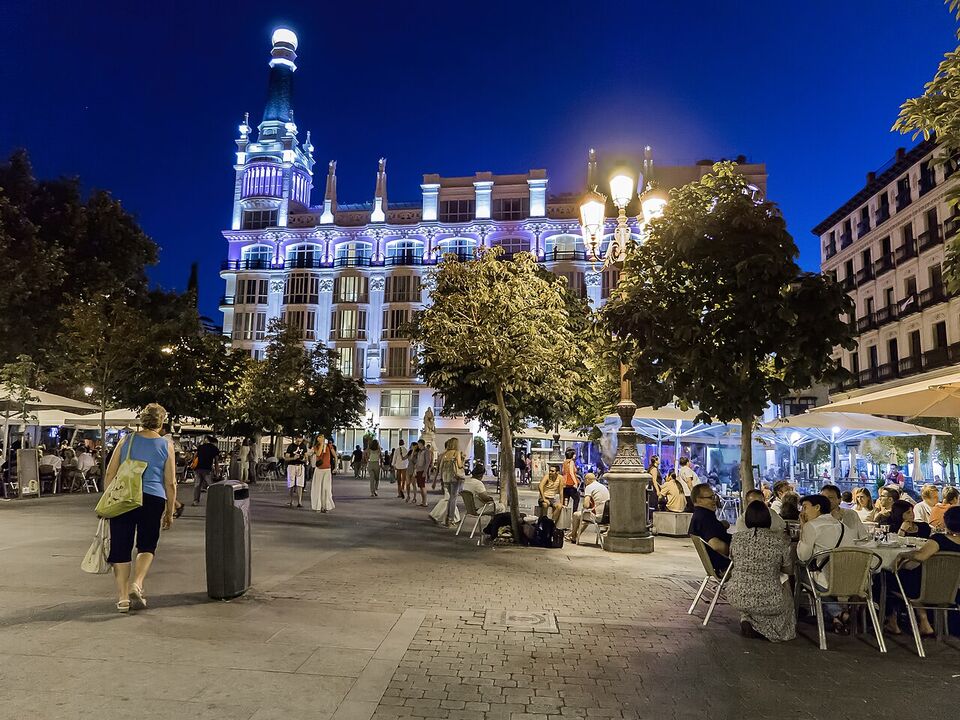
Plaza Santa Ana and Calle Echegaray
Old tiled bars around the plaza, vermouth houses and wine bars on the side streets. Lively, a little touristy on the square, better a block away.
Calle Ponzano
A long residential street that has become the city's favorite tapas strip for madrileños, with dozens of bars, seafood counters and cocktail places. Few tourists, lots of energy from Thursday to Saturday.
Calle Argumosa and Lavapiés
Sidewalk terraces under the trees near the Reina Sofía, plus Indian, Senegalese and Bangladeshi restaurants on the streets uphill. Cheap and relaxed.
Malasaña and Conde Duque
Old-school bars with vermouth on tap and tortilla, next to natural-wine bars and brunch spots. Busy late into the night.
Around Sol and the Plaza Mayor
The squid sandwich bars, mushroom specialists on the Cava de San Miguel and century-old taverns. Some are excellent; others are tourist traps. Avoid any place with photo menus and a host pulling you in.
Different from home
At a busy bar, you do not wait to be seated or get a check per round. Squeeze up to the counter, catch the bartender's eye and order. Keep track of what you have had; at the end, ask "¿Me cobras?" (Can I pay?). Paper napkins on the floor of an old bar are a long tradition.
Classic places with long histories
These long-running addresses are part of the city's story. Expect other visitors, and book the sit-down restaurants ahead.
Sobrino de Botín
Founded in 1725 and listed by Guinness as the world's oldest restaurant still operating. The specialties are roast suckling pig (cochinillo) and lamb from a wood-fired oven that has burned for centuries. Hemingway wrote about it. Book online, and ask for the vaulted cellar rooms.
Lhardy
A Madrid institution since 1839. Downstairs, the shop serves consommé from a silver urn and croquettes at the counter; upstairs, the restaurant's dining rooms are known for one of the city's classic cocidos.
Taberna La Bola
Serving cocido since 1870, cooked in individual clay pots over holm-oak charcoal. Lunch only from Sunday to Wednesday, with longer hours from Thursday to Saturday; set menus run about €40–47 (about $45–53) per person.
Chocolatería San Ginés
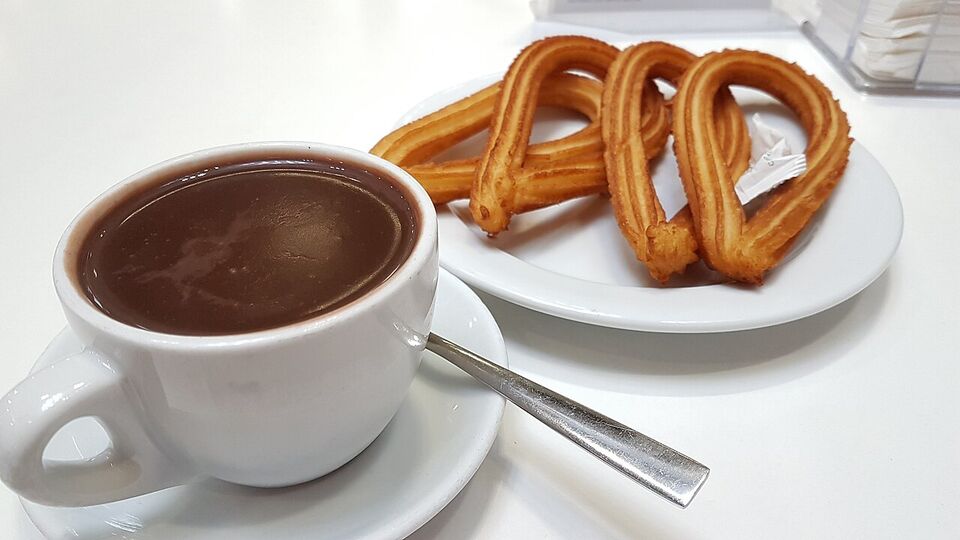
Churros and thick hot chocolate since 1894, in a narrow passage near Sol. It is busiest after midnight and on weekend mornings, when night owls and families overlap. The line moves fast.
How to eat cocido
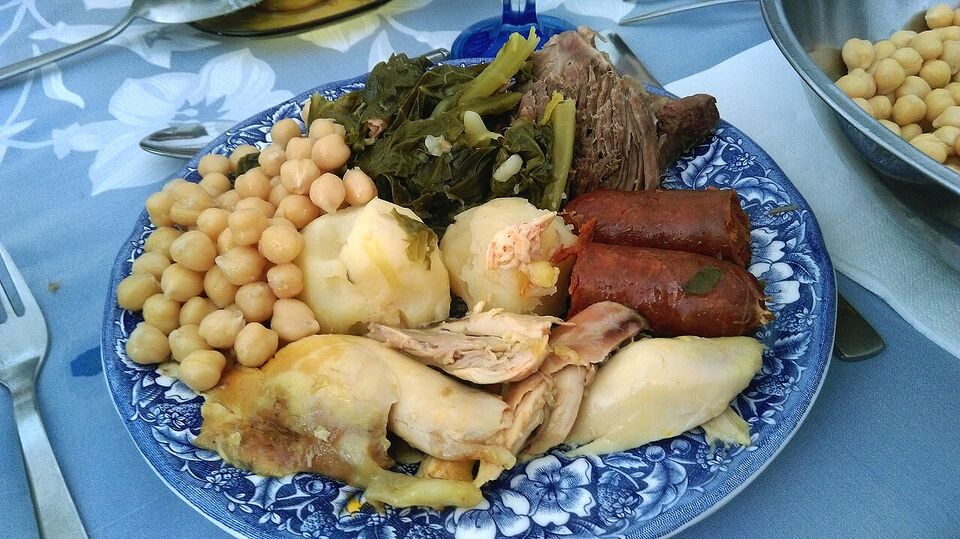
Cocido madrileño is a slow-simmered stew of chickpeas, beef, chicken, pork belly, chorizo, blood sausage, cured ham bones, cabbage, carrots and potatoes. It is served in stages called vuelcos ("tippings"):
- The broth comes first, as a soup with fine noodles.
- Then the chickpeas and vegetables, with the cabbage often sautéed with garlic.
- Finally the meats, on a platter, eaten with a little tomato sauce or pickled green chilies (guindillas).
It is a lunch dish, and it is big; skip dessert plans and anything active afterward. Many restaurants serve it only on certain days or from October to spring, so check ahead. If you want only one traditional meal in Madrid, this is the one to choose on a cool day.
Food markets
Madrid has more than 40 municipal markets. Some have turned into food halls, while others still sell fish and fruit to neighbors, with a few bars inside.
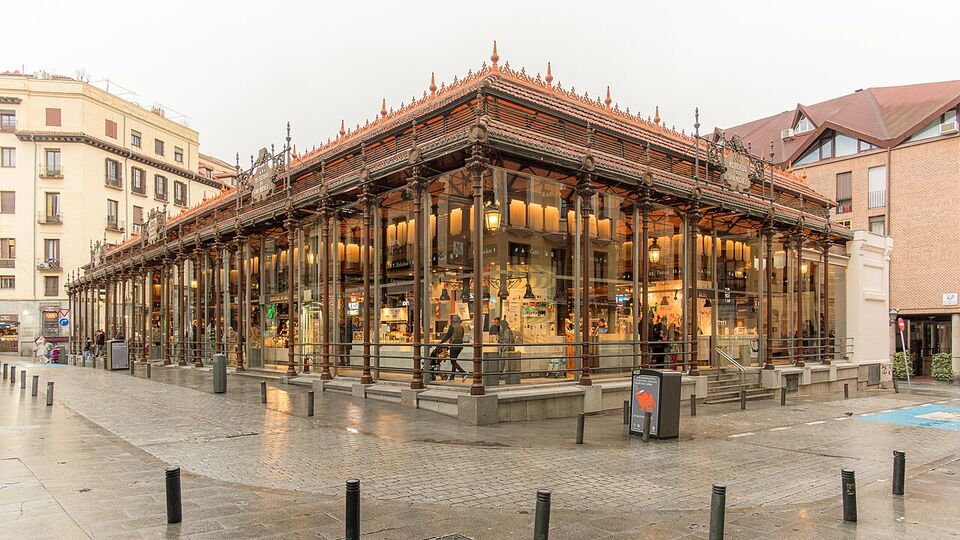
- Mercado de San Miguel (by the Plaza Mayor). A beautiful 1916 iron hall, now a gourmet tapas hall with oysters, ham, vermouth and croquettes. Fun for a look and a glass, expensive for a meal, and crowded from late afternoon.
- Mercado de San Antón (Chueca). Fresh stalls on the ground floor, prepared food above and a rooftop terrace.
- Mercado de Antón Martín (Barrio de las Letras). A real neighborhood market with small food stalls tucked between butchers and greengrocers.
- Mercado de la Cebada (La Latina). A big local market; on Saturday afternoons some fish stalls serve seafood and drinks to a party crowd.
- Mercado de Vallehermoso (Chamberí). A local market that added a cluster of creative food counters.
Markets usually open in the morning and close by 2 or 3 pm on many days, with afternoon hours on some weekdays. Most close on Sundays. Food halls such as San Miguel stay open all day and into the evening.
Churros and sweets
Churros with chocolate are Madrid's comfort food, eaten for breakfast, as a merienda or at 4 am after a night out. You dunk them in a thick, barely sweet hot chocolate. Porras are the thicker, fluffier cousin. Any traditional churrería serves both.
- Through the year. Rosquillas (small ring cookies, plain or iced) appear for the San Isidro festival in mid-May; torrijas (Spanish French toast soaked in milk or wine) at Easter; and the roscón de Reyes, a ring cake with candied fruit and a hidden figurine, for Three Kings on January 6. See festivals.
- Convent sweets. Some cloistered convents sell cookies and pastries through a turntable window so the nuns stay out of sight. It is a quiet, charming errand.
What to drink
- Beer. A caña is a small draft, about 7 ounces (200 ml); a doble or tercio is bigger. Mahou is the Madrid brewery and on tap in most bars.
- Vermouth. Vermut on tap is a Sunday ritual, especially in La Latina and Malasaña around 1 pm. "Ir de vermut" means going for a pre-lunch drink.
- Wine. Bars pour Rioja and Ribera del Duero reds by the glass, plus Verdejo whites from Rueda. Madrid has its own wine region, Vinos de Madrid, with good Garnachas from the hills west of the city. See wine.
- Sherry. A few old bars specialize in dry fino and manzanilla from Andalusia, served cold with olives and almonds.
- After dinner. A gin-tonic in a huge balloon glass is the Spanish nightcap. Spirit pours are generous by US standards.
- Coffee. Café solo is an espresso, cortado has a splash of milk, café con leche is half milk. Iced coffee means a hot coffee poured over a glass of ice.
Watch out
Watch your drink in busy clubs and bars, and do not leave it unattended. Drink spiking is reported in Spanish nightlife areas. Keep your phone off the table at outdoor terraces, where bag and phone snatching is common around Sol and Gran Vía.
Nightlife
Madrid is one of Europe's great night cities, and the schedule is the main adjustment for Americans. People meet for dinner at 10, move to bars at midnight, and clubs fill between 1:30 and 3 am. Many bars stay open until 2 or 3 am, clubs until 6.
- Malasaña. Indie music bars, cheap drinks and a young crowd around the Plaza del Dos de Mayo.
- Chueca. The heart of LGBTQ+ Madrid, with cocktail bars, dance clubs and a welcoming mixed crowd. Madrid's Pride (MADO) in late June and early July is one of the largest in Europe; book hotels months ahead.
- Huertas and Santa Ana. Pubs, live-music bars and big crowds of visitors and students.
- La Latina. Sunday afternoon and evening drinking after the Rastro, plus cocktail bars.
- Rooftops. Hotel and cultural-center terraces along Gran Vía and Alcalá offer sunset drinks with city views, often with a door fee or minimum spend.
- Live music and jazz. Madrid has a long-running jazz scene and many small concert halls; check listings for the week you visit.
Insider tip
The metro closes around 1:30 am. After that, night buses (búhos) leave from Cibeles, and taxis and ride apps are easy to find. Clubs often have dress codes and door policies; you will rarely be charged entry before about 1 am, when a cover with one drink becomes common. See Madrid for transit.
Flamenco shows in Madrid
Flamenco comes from Andalusia, but Madrid has been its commercial capital for more than a century, and many of the best artists live and perform here. A tablao is a venue built for flamenco, with a small stage, a guitarist, singers and dancers. Shows usually last about an hour and run several times a night. For more on what flamenco is and where to see it elsewhere, see flamenco in Spain.
Corral de la Morería
Founded in 1956 and long considered the most prestigious tablao in the world, with a gourmet restaurant that holds a Michelin star. Show-only tickets bought direct cost close to €96 (about $107); dinner packages cost more. Book well ahead.
Cardamomo
A popular, energetic tablao with a large cast and four shows a day, starting in the early evening. Convenient for an early show before dinner.
Las Tablas
A respected tablao with a resident company and guest artists. Show-and-drink tickets have run about €45 (about $50); check the current price on its site. Shows are daily at 7 and 9:30 pm, and dinner packages are extra.
Tablao Flamenco 1911
The former Villa Rosa, a tiled room on Plaza Santa Ana that has hosted flamenco since early in the 20th century. Nightly shows in a historic setting.
Torres Bermejas
A long-running tablao in a room decorated after the Alhambra, with show-and-drink and dinner options. Ticket platforms list it at roughly €35–52 (about $40–58).
Small bars and peñas
Smaller bars and flamenco clubs host more relaxed shows with tapas and generally lower prices than the headline tablaos. Ask at your hotel or check local listings for the week; they feel less staged.
- How to choose. Smaller rooms with unamplified sound feel more intimate; bigger tablaos give you more dancers. Early shows (6 to 7:30 pm) suit jet lag and families; later shows have more atmosphere.
- Dinner or not. The show-and-drink ticket is usually the best value. Tablao dinners are expensive for the quality at most venues; eat elsewhere first or after.
- Festivals. The Community of Madrid's Suma Flamenca festival, usually in June, brings top artists to theaters around the region; Teatro Real and other theaters also program flamenco through the year.
Watch out
Ticket resale sites add fees and sometimes sell dinner packages you did not mean to buy. Book on the venue's own website when you can, and check exactly what is included: show only, one drink, tapas or dinner.
Diets, allergies and practical tips
- Allergies. EU rules require restaurants to tell you which of 14 major allergens a dish contains. Ask for the carta de alérgenos (allergen menu). For celiacs, "sin gluten" is widely understood, and Spain has strong awareness of celiac disease.
- Vegetarian and vegan. Easier than it used to be, especially in Malasaña, Lavapiés and Chueca. In traditional bars, ham turns up in surprising places, including salads and vegetable dishes; say "sin carne ni jamón" (no meat or ham).
- Reservations. Book popular restaurants a few days ahead for dinner on Thursday to Saturday, and a week or more for well-known places. Tapas bars do not take bookings.
- Paying. Cards are accepted almost everywhere; small old bars may prefer cash for tiny amounts. Service is included in prices, and tipping is modest: round up, or leave 5 to 10 percent for good table service.
- Terrace prices. Some bars charge more for sitting at an outdoor table (terraza) than standing at the bar. It is legal if posted.
- August. Many family-run restaurants close for two to four weeks in August. Check before you cross town.
Insider tip
Food tours with local guides are a good first-night move, since they take you to bars you would not find and teach you how to order. Choose a small-group tour that starts around 6 or 7 pm, then carry on alone with what you have learned. Learn a few menu words first on our Spanish phrases page.
Add it to a route in the trip builder, or ask us to plan the hotels, trains and guides for you.