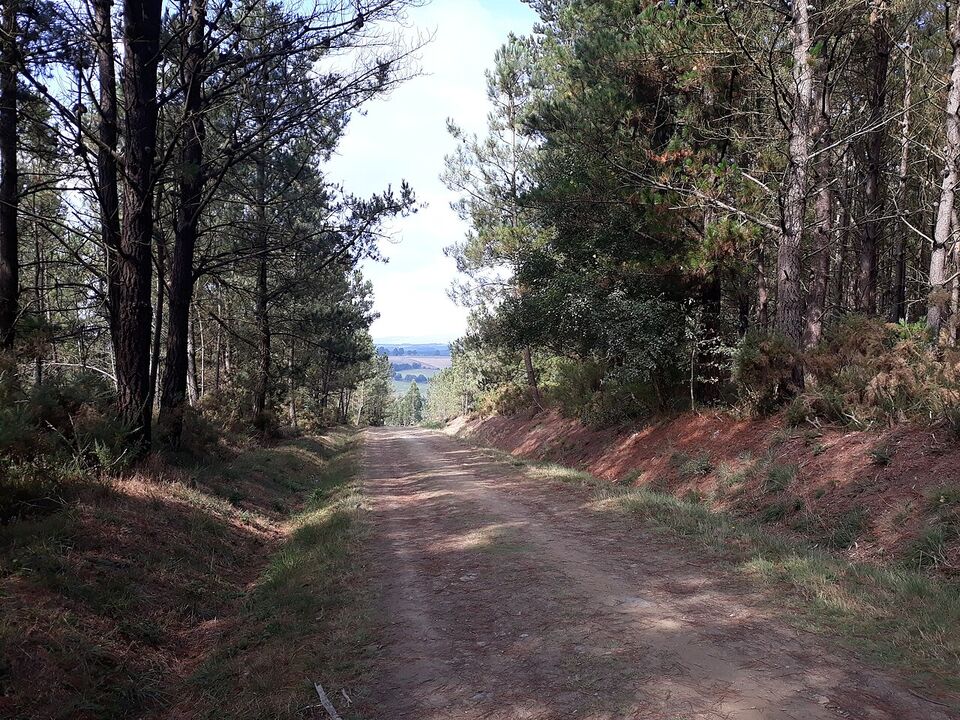
Overview
The Camino de Santiago (the Way of St. James) is a network of pilgrim routes across Spain, Portugal and France that end at the cathedral of Santiago de Compostela in Galicia, where tradition holds the apostle James is buried. Pilgrims have walked here since the 9th century. Today about half a million people a year arrive at the Pilgrim's Office, and Americans are consistently one of the largest groups from outside Spain.
People walk for faith, for a challenge, for grief, for a reset, or simply because it is a cheap, sociable and beautiful way to cross Spain on foot. You do not need to be Catholic or religious. You do not need to be an athlete either: the Camino is a long walk on mostly good paths with a bed, a meal and a café every few miles.
What you do need is a plan for the route, the season, your feet and your bed. This page covers all of it.
Different from home
This is not wilderness backpacking. You carry no tent, stove or food beyond snacks. Villages, bars and pharmacies line most routes, and the trail runs through towns and along roads as well as through fields and forests. Think of it as an inn-to-inn walk with an ancient purpose.
Choosing a route
Every route has the same destination, but the experience differs a lot. Distances below are approximate, to Santiago.
| Route | Start | Distance | Days | Character |
|---|---|---|---|---|
| Camino Francés | Saint-Jean-Pied-de-Port, France | About 780 km (485 miles) | 30–35 | The classic: most services, most pilgrims, Pyrenees, Pamplona, Rioja, Burgos, the Meseta, León, Galicia |
| Francés, last 100 km | Sarria | About 115 km (71 miles) | 5–7 | The most popular stretch; busy, green, easy logistics |
| Camino Portugués (central) | Porto, Portugal | About 240 km (150 miles) | 10–13 | Gentle, varied, through northern Portugal and Galicia |
| Camino Portugués, last 100 km | Tui | About 118 km (73 miles) | 5–7 | Crosses the Miño River from Portugal; quieter than Sarria |
| Portuguese Coastal | Porto | About 280 km (174 miles) | 12–14 | Along the Atlantic, then joins the central route or follows the coast |
| Camino del Norte | Irun | About 820 km (510 miles) | 34–38 | Along the north coast through San Sebastián, Bilbao and Asturias; hilly, fewer albergues |
| Camino Primitivo | Oviedo | About 320 km (200 miles) | 12–14 | The oldest route, mountainous and remote; for fit walkers |
| Camino Inglés | Ferrol | About 120 km (75 miles) | 5–6 | Short and quiet, from a port where English pilgrims once landed |
| Vía de la Plata | Seville | About 1,000 km (620 miles) | 40–50 | Long, hot, lonely and magnificent, on an old Roman road |
After Santiago, many pilgrims walk on to Finisterre and Muxía on the Atlantic coast, about 90 km (56 miles) in 3 to 4 days, once thought to be the end of the world.
Insider tip
First Camino and one week? Walk from Sarria on the Francés for maximum company and services, or from Tui on the Portugués for a quieter version. Two weeks: start in Porto, or walk from León or Ponferrada on the Francés. Five weeks: the whole Francés from Saint-Jean or Roncesvalles.
The last 100 km from Sarria
About a quarter of all pilgrims start in Sarria, a small town in Lugo province just over 100 km from Santiago. That is the minimum distance on foot for the Compostela, and it fits into a week of vacation. The walk is through rolling Galician farmland, oak and eucalyptus woods and stone villages, with a lot of rain from October to May.
A typical five-stage plan:
- Day 1
Sarria to Portomarín
About 22 km (14 miles). Past the 100 km marker stone, down to the Miño reservoir and the rebuilt hilltop town.
- Day 2
Portomarín to Palas de Rei
About 25 km (15.5 miles). A long, steady climb, then farmland.
- Day 3
Palas de Rei to Arzúa
About 29 km (18 miles), the longest day. Stop in Melide for pulpo á feira (boiled octopus with paprika and olive oil), the town's specialty. You can split this day by sleeping in Melide.
- Day 4
Arzúa to O Pedrouzo
About 19 km (12 miles). Arzúa is known for its soft, mild cheese; the path runs through woods.
- Day 5
O Pedrouzo to Santiago
About 20 km (12 miles). Past Monte do Gozo, the first view of the cathedral towers, and into the Praza do Obradoiro.
Add a day to start, a day in Santiago and a rest day if you are not used to walking, and you have a comfortable week. Stretch it to 6 or 7 walking days with shorter stages if you are older, unfit or walking with children.
Watch out
The Sarria stretch is crowded from May to October, and in July and August especially, when Spanish families, school groups and tour companies fill the path and the beds. If you want solitude, start further back or choose another route. If you walk this stretch in summer, book at least some of your nights.
Earning the Compostela
The Compostela is a certificate in Latin issued by the cathedral to pilgrims who walk at least the last 100 km on foot or horseback, or cycle at least the last 200 km, on a recognized route, arriving at the cathedral. You must walk the stages in order, though you can do them over separate trips. The Compostela itself is free; a more detailed certificate of distance is available for a small fee.
The credential
To prove your walk you carry a credencial, the pilgrim passport, and collect stamps (sellos) from albergues, churches, bars and town halls along the way. On the last 100 km, stamp it with the date at the start and end of each stage, at least twice a day. Stamps are part of the fun; even small cafés have their own.
You can get a credential from the cathedral's pilgrim network, from parish churches and albergues at major starting points such as Saint-Jean and Sarria, and in the US from American Pilgrims on the Camino, a nonprofit that sends credentials to members and runs local chapters with practice walks. Ordering at home means you can start walking the moment you arrive.
At the Pilgrim's Office
The Oficina del Peregrino is at Rúa das Carretas 33, a few minutes downhill from the cathedral, open 9 a.m. to 7 p.m. daily except December 25 and January 1. Register online before you arrive to speed things up. You take a numbered ticket with a QR code and can track the queue on your phone while you have lunch. In busy periods, you may not get your certificate the same day. See oficinadelperegrino.com.
Insider tip
The cathedral holds a Pilgrim Mass at noon daily. The famous botafumeiro, a giant silver incense burner swung across the transept by eight men, flies only at certain masses and on major feast days. Check the cathedral's schedule rather than counting on it.
The 2027 Holy Year
When July 25, the feast of St. James, falls on a Sunday, the year is a Holy Year (Año Santo Xacobeo). 2027 is one. The Holy Door of the cathedral opens at the end of 2026 and stays open through 2027, and pilgrims who pass through it can receive a plenary indulgence under Church rules.
Holy Years bring record crowds, more events and higher demand for beds, especially on the Francés from Sarria and the Portugués from Tui, and in Santiago around July 25. If you are planning a 2027 Camino, book flights and Santiago hotels early, consider a less-walked route, and think about spring or fall.
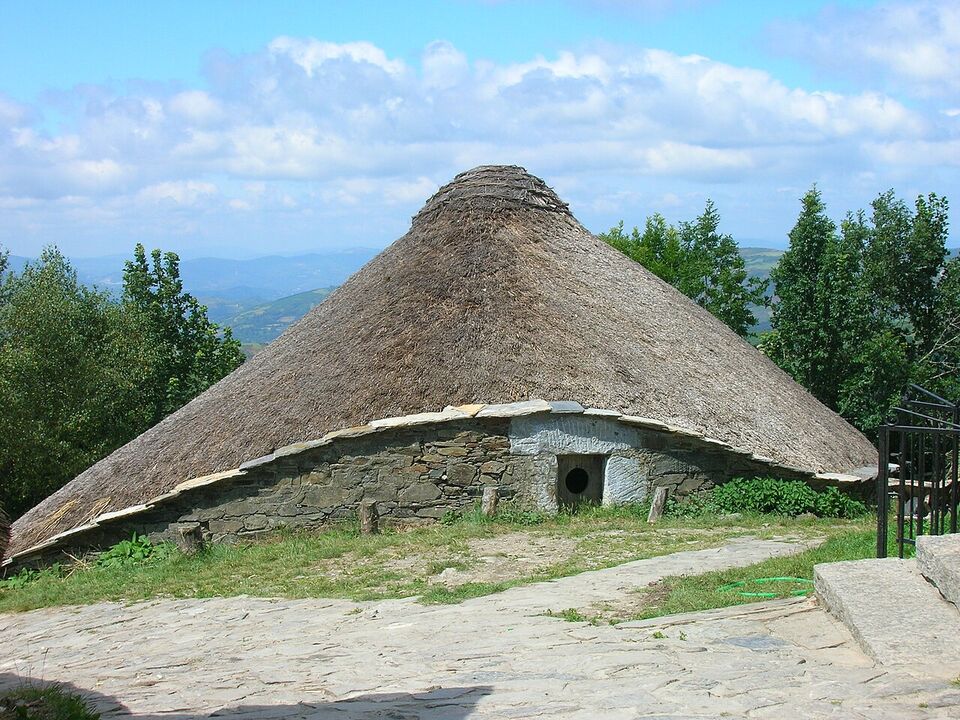

Where to sleep: albergues and more
Albergues are pilgrim hostels, mostly with bunk beds in shared rooms, shared bathrooms and a kitchen or communal meal. You need a credential to stay.
- Public albergues: run by regional governments, towns or parishes. In Galicia, the Xunta's public albergues cost €10 (about $11) a night in 2026, cannot be booked ahead, and allow one night only. They open in the early afternoon; arrive by about 2 p.m. in busy season to be safe.
- Parish and donation albergues (donativo): pay what you can, often with a shared dinner. Leave a fair amount.
- Private albergues: roughly €12–20 (about $13–22) for a bunk, bookable, often with smaller dorms, laundry and Wi-Fi.
- Pensions, hostales and hotels: private rooms from about €35 (about $39) a night in villages, more in towns and in season. Booking these makes the walk less of a race for beds.
Different from home
Albergues have curfews (often 10 p.m.) and lights-out times, and you usually must leave by 8 a.m. Beds are close together, and snoring is universal. Bring earplugs and an eye mask. Pilgrims start walking before dawn in summer to beat the heat.
For a more comfortable Camino, many American walkers book private rooms along the whole route, either themselves or through a tour company that also moves their bags. See where to stay for more on hotels and rural houses.
What it costs
The Camino is one of the cheapest ways to spend weeks in Europe. Rough daily budgets, excluding flights:
| Style | Per day | What you get |
|---|---|---|
| Budget | About €40–50 (about $45–56) | Public and private albergues, pilgrim menus, cafés |
| Comfortable | About €90–120 (about $100–135) | Private rooms in pensions and small hotels, meals out, occasional bag transfer |
| Organized self-guided trip | Varies by company and season | Pre-booked rooms, daily bag transfer, support line; Sarria packages for a week typically start in the low hundreds of euros, meals extra |
Food runs about €20–30 (about $22–34) a day: coffee and toast for breakfast, a snack mid-morning, and a menú del peregrino (pilgrim menu: three courses, bread and wine or water) in the evening. Add the credential (a few euros), laundry, pharmacy supplies, a taxi or two, and transport to the start and home from Santiago.
Save money
Cook in albergue kitchens with supermarket food, carry a picnic lunch, and use public albergues. Cash is still useful for small bars and donation albergues in villages, though cards and contactless now work almost everywhere. See money.
Luggage transfer
You do not have to carry everything. Several services move a bag from one night's lodging to the next each day, for a few euros per bag per stage. The best known is Correos, the Spanish postal service, with its Paq Mochila service; private companies operate on the busier routes too. You leave your bag at reception in the morning with a tag or an envelope with payment, and it is waiting at your next stop.
- Bag weight limits apply, often around 15 to 20 kg (33 to 44 lb).
- Many public albergues do not accept forwarded bags; check before you book that combination.
- Carry a small daypack with water, rain gear, snacks, sunscreen, first aid and your documents.
- Book a few days ahead in high season; prices and rules are on each service's site.
Correos and private companies also store luggage in Santiago and ship it home or to your next destination.
When to walk
- May and June: green fields, long days, mild temperatures. Busy, especially from mid-May.
- July and August: hottest and busiest. The Meseta between Burgos and León can hit the 90s°F (32–36°C), with little shade. Galicia is cooler but crowded with Spanish holidaymakers.
- September to mid-October: many people's favorite: the grape harvest in Rioja, warm days, cool nights, fewer crowds than summer.
- Late October to March: quiet and cold, with rain in Galicia and possible snow on the high passes. Many albergues close, especially on the Francés before Galicia. Fine for experienced walkers on the last 100 km.
Watch out
The Route Napoleon, the high path over the Pyrenees from Saint-Jean to Roncesvalles, is officially closed from November 1 to March 31 because of snow, fog and wind. Pilgrims have died there in bad weather. Use the lower Valcarlos route in winter, and check the weather forecast at the pilgrim office in Saint-Jean in any season.
For weather by region and month, see when to go. Holy Week, local fiestas and San Fermín in Pamplona (July 6–14) also affect beds along the Francés.
Getting to the start and home
- Saint-Jean-Pied-de-Port: fly to Paris and take a fast train to Bayonne (about 4 hours), then the regional train to Saint-Jean (about 1 hour 15 minutes). Or fly to Biarritz, or to Pamplona or Bilbao and take a bus or shuttle.
- Sarria: fly into Santiago (SCQ) and take a bus or train to Sarria via Lugo or Ourense, about 2 to 3 hours. Trains from Madrid serve Sarria too. A shared shuttle or taxi from Santiago is faster.
- Porto and Tui: fly into Porto, which has nonstop flights from the US in summer; Tui is reached by bus or train from Vigo or by transfer from Porto.
- Home from Santiago: Santiago airport has flights to Madrid, Barcelona and European hubs. Trains reach Madrid in about 3 hours 30 minutes on the high-speed line. See flights and getting around.
Also plan a day or two in Santiago and Galicia to rest, eat seafood and see the cathedral properly.
Training, gear and health
Blisters, tendinitis and knee pain end more Caminos than anything else. Train at home by walking 10 to 12 miles (16 to 20 km) on consecutive days in the shoes and with the pack you will use. Break in shoes or trail runners for weeks before you go, and choose a half size larger, as feet swell.
- A pack of no more than about 10 percent of your body weight, typically 13 to 18 lb (6 to 8 kg) without water.
- Merino or synthetic socks, two or three pairs; quick-dry clothes you wash each evening.
- A rain jacket or poncho, essential in Galicia in any season.
- Sleeping bag liner or light bag, earplugs, eye mask, headlamp.
- Hiking poles, which save knees on the descents.
- Blister kit; Spanish pharmacies (green cross) sell Compeed and everything else.
- Sunscreen and a hat for the Meseta.
Bed bugs turn up in albergues from time to time. Check bunk seams, keep your pack off the floor and wash everything hot if you are bitten. For health care and insurance (Medicare does not cover you abroad), see health, and for gear lists, packing.
Safety on the Camino
The Camino is very safe, but the usual risks apply. Theft from albergues happens; keep passport, phone and money on you, including in the shower. Women walking alone have occasionally reported harassment; stay aware, walk with others on remote stretches if you prefer, and report problems to the Guardia Civil. Save the emergency number 112 in your phone, and know that many trail markers and apps show your distance to Santiago, which helps emergency services find you. See safety.
Respect the path: carry out your trash, use toilets in bars rather than the woods, and keep noise down in villages early in the morning.
Tour company or on your own
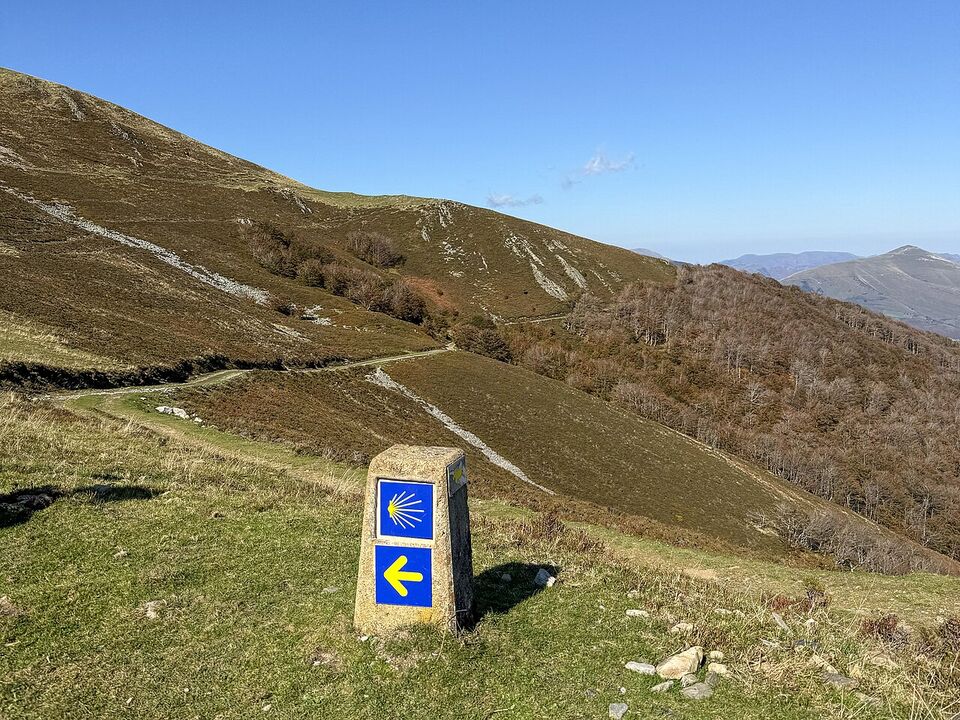
Walking on your own is easy and cheap: follow the yellow arrows and the scallop shell markers, sleep in albergues, and meet people. Many Americans with limited vacation choose a self-guided tour instead, where a company books rooms, moves bags and offers a phone line for problems. Guided group tours exist too. Either way, make sure the operator is registered in Spain and clear about what is included. If you want help planning, see our trip planning service.
For more outdoor ideas in Spain, see the outdoors, and for the regions the Francés crosses, Rioja and Navarra, Burgos and León and Galicia.
Add it to a route in the trip builder, or ask us to plan the hotels, trains and guides for you.