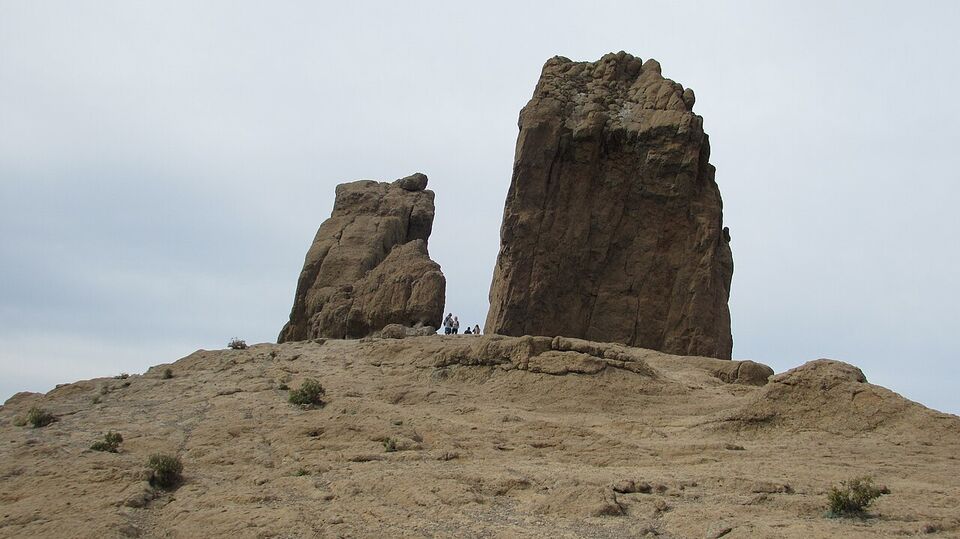
January is the best month of the year for a cheap, quiet Spain trip focused on cities, museums and food, as long as you come after January 6 and dress for cold mornings. Flights and hotels hit their annual lows, the Prado and the Alhambra feel almost private on weekdays, Seville and Málaga see afternoons around 61–63°F (16–17°C), and the winter sales start on January 7.
The first week is different: Spain is still on holiday until Three Kings Day, Wednesday, January 6, 2027, with crowded trains, family-filled cities and the Cabalgata de Reyes parades on the evening of January 5. It is the wrong month for beaches anywhere except the Canary Islands, and Madrid and Granada nights hover near freezing.
Weather by region
January is Spain's coldest month. The interior plateau (Madrid, Toledo, Segovia, Salamanca, Burgos) gets clear, cold days and frosty nights, with occasional snow; in January 2021 Storm Filomena buried Madrid under more than a foot of snow, though that was exceptional. The Mediterranean coast and Andalusia are mild and mostly sunny, and the Atlantic north is cool and rainy.
| Place | Average high | Average low | Rainy days |
|---|---|---|---|
| Madrid | 50°F (10°C) | 37°F (3°C) | About 6 |
| Barcelona | 57°F (14°C) | 42°F (6°C) | About 4 |
| Seville | 61°F (16°C) | 43°F (6°C) | About 6 |
| Granada | 55°F (13°C) | 33°F (0°C) | About 6 |
| Málaga | 63°F (17°C) | 46°F (8°C) | About 5 |
| Valencia | 62°F (17°C) | 46°F (8°C) | About 4 |
| Bilbao | 56°F (14°C) | 42°F (5°C) | About 13 |
| Santa Cruz de Tenerife | 70°F (21°C) | 60°F (15°C) | About 4 |
These are 1991–2020 averages from AEMET, Spain's weather agency. Granada's average low is right at freezing, and the Sierra Nevada behind the Alhambra is white, which makes January one of the most beautiful months to see it. Old buildings and many restaurants are poorly insulated, so you will often keep a sweater on indoors. The Canary Islands are the warm option. See when to go for the full year.
What's on in January 2027
| Date | Event | Where |
|---|---|---|
| Friday, January 1 | New Year's Day; most things closed | Nationwide |
| Tuesday, January 5, evening | Cabalgata de Reyes, the Three Kings parades | Every city and town |
| Wednesday, January 6 | Three Kings Day (Día de Reyes), the Spanish gift day; roscón de Reyes for breakfast | Nationwide |
| From Thursday, January 7 | Winter sales (rebajas) in most chains and department stores | Nationwide |
| Around January 16–17 | Sant Antoni bonfires, devils and parades | Mallorca: Sa Pobla, Artà, Manacor and other towns |
| Around January 17 | St. Anthony's blessing of animals; Els Tres Tombs horse parade in Barcelona | Madrid (San Antón church, Calle Hortaleza), Barcelona's Sant Antoni district |
| Midnight January 19 to midnight January 20 | La Tamborrada: 24 hours of drumming for the city's patron, San Sebastián | San Sebastián |
| Wednesday, January 20 | Sant Sebastià, Palma's patron saint, with concerts the night before | Palma de Mallorca |
| Second half of January | FITUR, the big international tourism trade fair (check 2027 dates) | Madrid, IFEMA |
| Traditionally the last Sunday (January 31) | Gran Festa de la Calçotada, the grilled spring onion festival | Valls, Tarragona province |
The Three Kings
For Spanish children, January 6 matters more than Christmas. On the evening of January 5, Melchior, Gaspar and Balthasar ride through every town on floats, throwing candy to the crowds, and children leave their shoes out overnight for presents. Madrid's parade usually runs down the Paseo de la Castellana to Cibeles; in Barcelona the Kings arrive by boat at the old port before parading through the city; Seville's parade, organized by the Ateneo cultural society, is one of the oldest in Spain. Routes and times are published by each city in late December.
On January 6, bakeries sell roscón de Reyes, a ring-shaped sweet bread with candied fruit and cream, with a small figure and a dried bean hidden inside: find the figure and you wear the paper crown; find the bean and you pay for next year's roscón. Lines at good bakeries start early.
Insider tip
Go to a parade a few blocks from the start of the route, where crowds are thinner, and bring a bag or an upturned umbrella for the candy. Parade nights are family events and very crowded, so keep phones and wallets zipped away.
Winter festivals
Mid-January has some of Spain's most local fiestas. In Mallorca, the eve of Sant Antoni (January 16) brings bonfires, costumed devils and grilled sausages to village squares, especially in Sa Pobla and Artà. In San Sebastián, La Tamborrada starts at midnight on January 19 in the Plaza de la Constitución, as the city's flag is raised, and companies of drummers dressed as cooks and soldiers march through the streets for 24 hours; January 20 is the city's holiday. Book San Sebastián hotels early for those nights.
In Catalonia, January starts the season for calçots, long sweet spring onions grilled over vine cuttings, peeled by hand and dipped in romesco sauce, eaten at a calçotada lunch outdoors. The town of Valls holds its big festival on the last Sunday of January. See food and festivals.
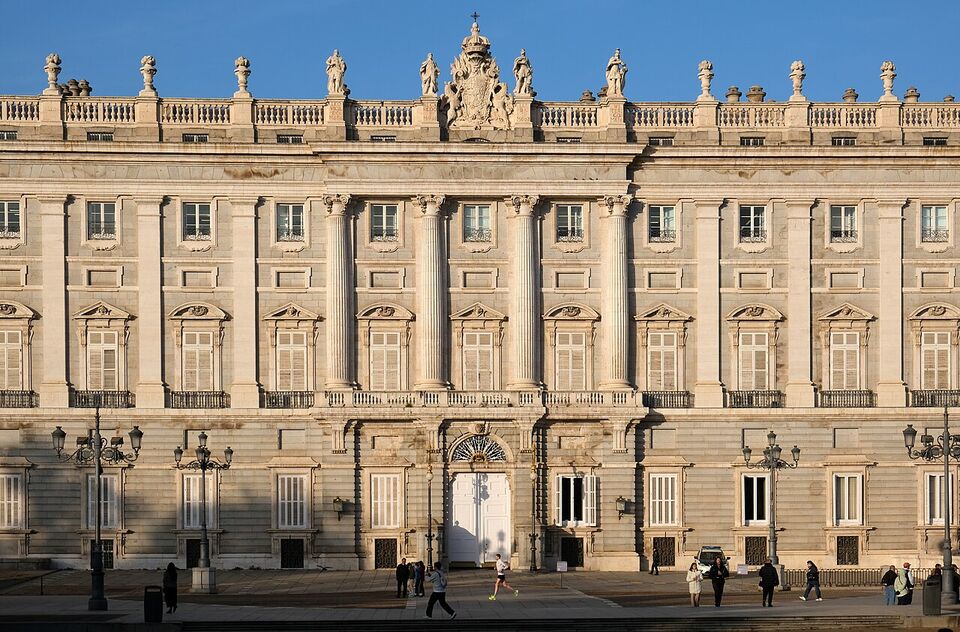
Holidays and closures
- Friday, January 1: most shops, many restaurants and most museums are closed, including the Prado, the Reina Sofía and Toledo Cathedral. Long-distance trains run, with lighter morning service after New Year's Eve.
- Wednesday, January 6: Three Kings Day is a national holiday. Shops close; many museums close or open shorter hours (the Prado until 2 p.m., the Reina Sofía closed). Restaurants are busy with family lunches.
- Sagrada Família: in past years it opened 9 a.m. to 2 p.m. on January 1 and 6, but on November 1, 2026 its official ticket page said the basilica was temporarily closed to the public, with no reopening date given; check sagradafamilia.org before you plan around a visit.
- Mid-January breaks: after the holidays, some family-run restaurants and shops, especially in coastal and mountain towns, close for a week or two for their own vacation. Check before you travel to a specific restaurant.
- Islands: most resorts in Ibiza, Menorca and northern Mallorca are closed until spring; Palma and the Canaries are open. See Mallorca.
Different from home
Spain's big sales start after the holidays. The rebajas begin on January 7 in most chains and department stores such as El Corte Inglés, with discounts deepening through January and February. As a non-EU visitor you can claim back VAT on purchases at shops offering tax-free shopping; get the electronic form in the store and validate it at the DIVA kiosk at the airport before you check your bags. See shopping.
Crowds and prices
Until January 6, cities are full of Spanish families, trains are busy and airfares from the US are still at holiday levels. From January 7, demand collapses. Transatlantic fares in mid-January and early February are usually the lowest of the year, and hotels in Madrid, Seville, Granada and Barcelona drop to their annual floor. The Alhambra, and the Sagrada Família if it has reopened, can often be booked a few days ahead on weekdays. See flights and where to stay.
Exceptions: Madrid's hotels fill and rates jump during FITUR week in the second half of January, ski resorts are full on weekends, and the Canary Islands are in high season, when northern Europeans fly south for winter sun.
Save money
A week in Andalusia in mid-January is one of the best deals in Europe: $$ hotels in central Seville or Granada at rates closer to $, free tapas with drinks in Granada, and a menú del día (set lunch) for around €12–16 (about $13–18). The Prado and the Reina Sofía keep their free evening hours all winter. See budget.
Where to go, where to skip
Seville and Córdoba
Sunny afternoons, orange trees heavy with bitter Seville oranges, and the Alcázar and Mezquita with no lines. See Seville and Córdoba.
Granada
The palaces against snowy peaks, and skiing in the Sierra Nevada about 45 minutes away. Cold nights. See Granada.
Madrid
The Prado, the Thyssen and the Reina Sofía, warm stews and the start of the sales. See Madrid sights.
Málaga and Valencia
The warmest mainland cities, with almond blossom in the Málaga hills by late January. See Málaga and Valencia.
Canary Islands
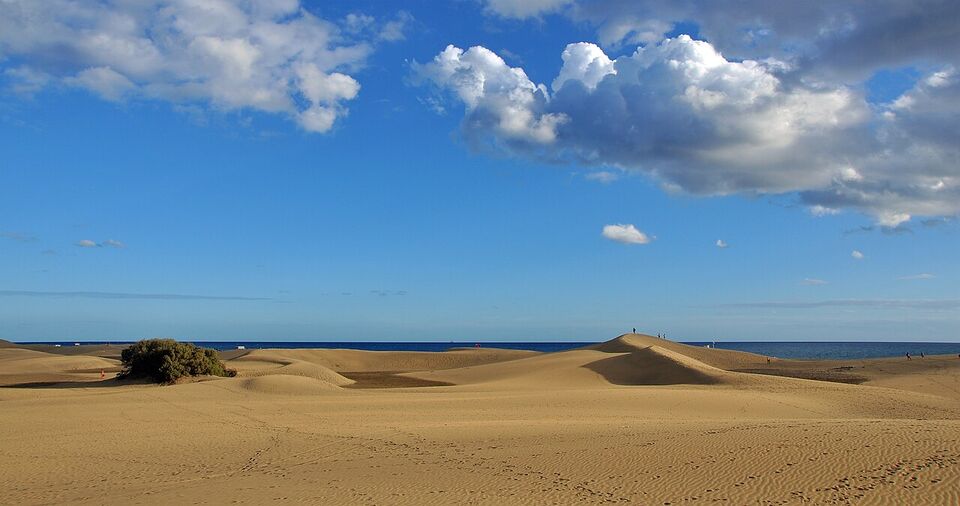
Days near 70°F (21°C), hiking on Tenerife and La Palma, high-season prices. See Canary Islands.
Skip or rethink
Balearic beach resorts and the Costa Brava are mostly closed. The north is rainy, so go there for food and the Tamborrada.
Skiing in January
January is the heart of ski season. The Sierra Nevada, near Granada, is Europe's southernmost major resort, with sunny slopes and the chance to ski in the morning and visit the Alhambra by evening. In the Pyrenees, Baqueira-Beret in Catalonia's Val d'Aran is Spain's largest and most upscale resort, and Formigal and Candanchú in Aragón are popular with Spanish families. Weekdays after January 6 are quieter and cheaper. Snow conditions vary a lot from year to year, so book flexible lodging. See outdoors.
What to pack
- A warm coat, hat and gloves for Madrid, Castile and Granada; mornings are near freezing.
- Layers you can strip off for sunny afternoons in Seville and Málaga.
- A waterproof jacket for the Basque Country and Galicia.
- Waterproof shoes with grip.
- Light clothes and swimwear only for the Canaries.
- Type C/F plug adapters (230 volts). The packing page has the full list.
A sample week in January
- Day 1
Arrive in Málaga
Fly into Málaga via Madrid or another European hub. Walk the old town, the Calle Larios and the port at sunset. See Málaga.
- Day 2
Málaga museums
The Picasso Museum and the Alcazaba, then lunch on fried fish by the beach at Pedregalejo.
- Day 3
To Granada
Bus or train to Granada, about 1 hour 30 minutes. The Albaicín, the Mirador de San Nicolás at sunset, and tapas crawls.
- Day 4
The Alhambra
A morning Nasrid Palaces slot, then the Generalife gardens. Optional afternoon at the Sierra Nevada ski area. See Alhambra tickets.
- Day 5
Córdoba
Train to Córdoba, about 1 hour 15 minutes to 1 hour 30 minutes. The Mezquita-Catedral and the Jewish Quarter.
- Day 6
Seville
On to Seville, under 50 minutes by AVE. The Real Alcázar and the cathedral, and a flamenco show at night. See flamenco.
- Day 7
Home via Madrid
AVE to Madrid, about 2 hours 30 minutes when the line is running normally (see the warning below), or a short flight, and an afternoon at the Prado before flying home the next morning.
The planning page has more routes; see also November and December.
Getting around this month
Trains are packed on January 2–3 and again on January 6–7, as Spain heads home after the holidays; book those days early or avoid them. After that, high-speed fares between Madrid, Barcelona, Seville, Málaga and Valencia are among the year's lowest, with AVE, Iryo and Ouigo competing on the main lines. See getting around.
Watch out
After a fatal collision near Urda (Toledo province) on October 28, 2026, high-speed trains between Madrid and Andalusia were suspended; Renfe stopped selling tickets on the route until December 13, 2026, though service may return sooner. Before you book a January trip, check Renfe, Iryo and Ouigo for the current Madrid–Seville, Córdoba, Málaga and Granada timetables, which may be slower than usual, and consider flying or a long-distance bus if they are not running.
Snow occasionally closes mountain passes and slows roads in Castile, Aragón and the north. If you drive, carry chains where required, check the DGT road conditions, and allow extra time. On the mainland, Spain is 6 hours ahead of New York; the Canaries are 5 hours ahead. See driving.
Watch out
The State Department rates Spain at "exercise increased caution" (Level 2) because of terrorism and civil unrest, and notes that pickpocketing is very common. Holiday crowds at the Three Kings parades and the January sales are prime territory for pickpockets; keep valuables in a front pocket or a zipped bag. In an emergency, call 112. See safety.
Bottom line
Go in January, especially after January 6, if you want the lowest prices of the year, empty museums, Andalusia's mild afternoons, the winter sales, skiing, or the Three Kings parades with Spanish families. It is a great month for a first look at Seville, Granada and Madrid on a budget.
Pick another month if you want beaches outside the Canaries, warm evenings outside, or the Balearic Islands. For Christmas lights and markets, see Spain in December; for milder weather in the cities, see Spain in November.
Add it to a route in the trip builder, or ask us to plan the hotels, trains and guides for you.