The short version
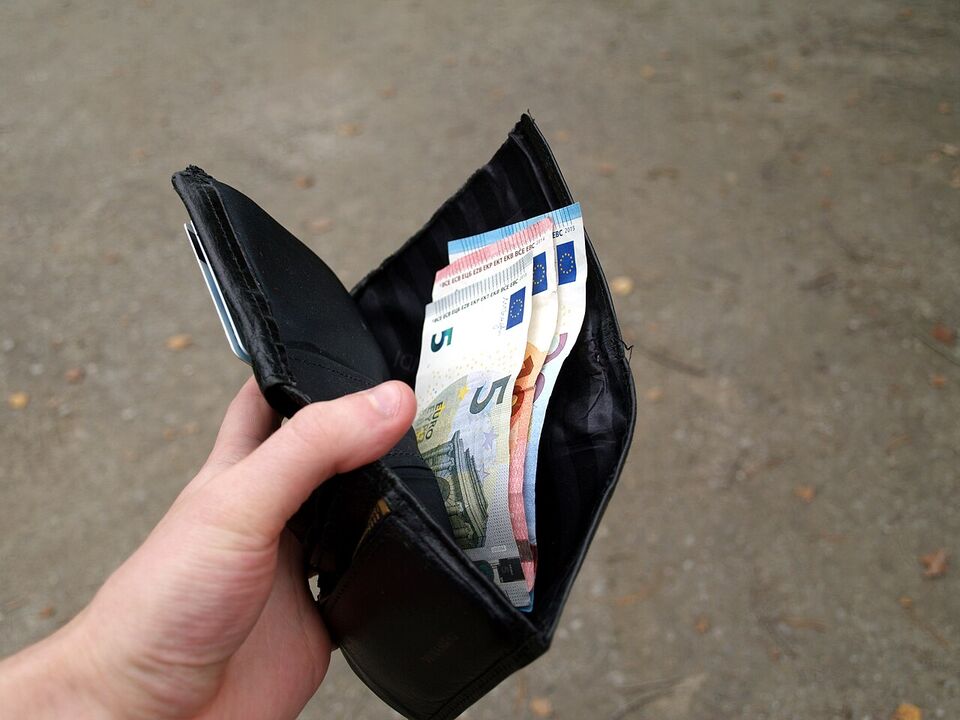
Spain is one of the easiest countries in Europe to pay your way through. Contactless cards work in taxis, on city buses, in market stalls and at most tapas bars, and Apple Pay and Google Pay are normal. You need only a little cash.
The money you lose in Spain usually goes in three ways: foreign transaction fees on the wrong card, ATM fees and bad exchange rates at street machines, and agreeing to pay "in dollars" when a terminal offers. Fix those three and the rest is budgeting.
This page covers each of them, then tipping, Spain's tourist taxes (which rose sharply in Barcelona in 2026), VAT refunds and what things really cost, with sample daily budgets.
Cards and contactless
Bring two cards from different networks, ideally a Visa and a Mastercard, and at least one with no foreign transaction fee. A typical 3 percent fee adds $30 to every $1,000 you spend, and it is the easiest cost to eliminate before you leave.
- Visa and Mastercard are accepted almost everywhere that takes cards.
- American Express is accepted by hotels, chains and department stores, but many bars, small restaurants and shops do not take it. Do not rely on it alone.
- Discover works in fewer places still; treat it as a backup at best.
- Phone wallets (Apple Pay, Google Pay) work wherever you see the contactless symbol, and some city transit systems now accept a tap of a bank card or phone for single rides.
Spain has used chip cards for decades, and contactless is the default for small payments. You may be asked for a PIN for larger amounts or at unattended machines, such as Renfe ticket machines, parking meters, motorway toll booths and self-service gas pumps. Know the PIN for every card you carry, including credit cards; call your bank to set one if you have never used it.
Different from home
In restaurants, the server brings the card terminal to your table, and your card never leaves your sight. You will rarely see a slip with a line for a tip. If you want to tip, leave a few coins or say the amount before they key it in. You also need to ask for the bill: la cuenta, por favor. Bringing it unasked would be considered rushing you.
Cash
Card payments have spread fast, but cash still helps at small neighborhood bars, market stalls, churches that ask for a donation, rural guesthouses, some taxis in small towns, and the occasional business that sets a card minimum. Carry €50 to €100 (about $55 to $110) in small notes. Shops sometimes balk at a €50 note for a small purchase, and €100, €200 and €500 notes are often refused outright.
Spanish law limits cash payments to businesses: €1,000 for residents, and €10,000 for visitors who show they live abroad. It rarely matters, but it explains why a jeweler or car rental desk may insist on a card.
Insider tip
Keep €1 and €2 coins handy. You will use them for luggage lockers, supermarket carts, the occasional public toilet, tips and rounding up, and for the smallest bars where tapping a card for a €1.60 coffee still earns a sigh.
ATMs and their fees
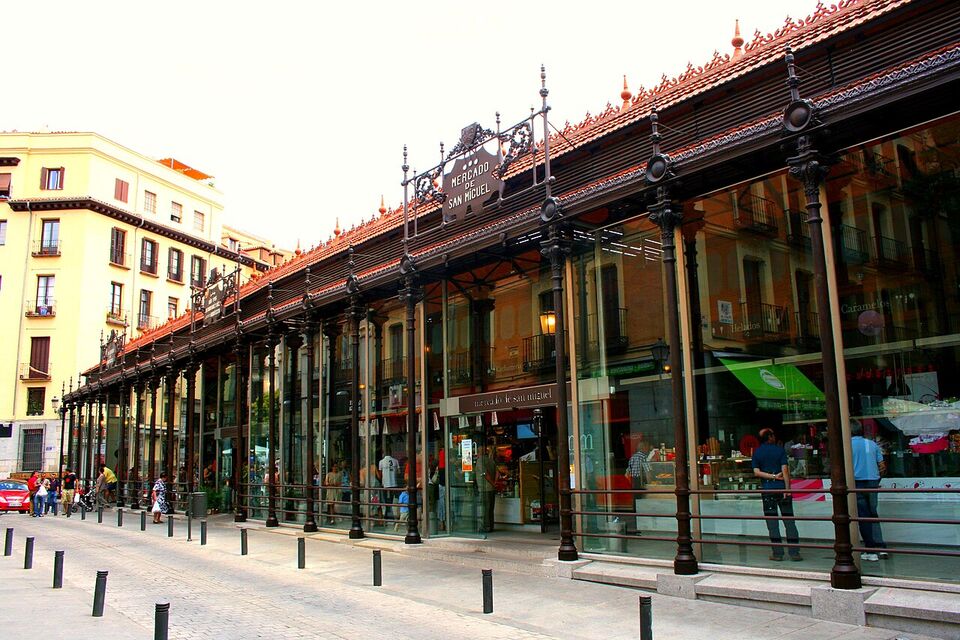
ATMs are called cajeros automáticos, or simply cajeros. They are easy to find in every town. The question is which one to use, because fees for foreign cards vary widely.
- Bank ATMs (CaixaBank, Santander, BBVA, Sabadell, Bankinter, Unicaja, Ibercaja, Kutxabank and regional banks) are the ones to use. Most now charge foreign cards a flat fee per withdrawal, commonly a few euros, which the screen shows before you confirm. Fees differ from bank to bank, so if one charges more than you like, cancel and try another down the street.
- Independent ATMs, such as Euronet and similar brands in tourist areas, airports and train stations, usually combine high fees with poor exchange rates. Avoid them unless you have no choice.
- Your own bank's fees come on top. Some US accounts refund foreign ATM fees or charge none; others add $5 per withdrawal plus a percentage. Check before you go.
- Use an ATM attached to a bank branch, ideally inside the lobby or during opening hours, so you can get help if the machine keeps your card.
- Choose English on the screen, enter your PIN and pick the amount. Take out larger sums less often to spread the flat fee.
- If the screen offers to charge you in US dollars "with a guaranteed rate", decline. Choose to be charged in euros or "without conversion".
- Cover the keypad, and do not accept help from strangers at the machine.
Watch out
Do not buy euros at the airport exchange desk in the US or in Spain. The rates are among the worst you will see. If you want a small amount of cash on arrival, order a few hundred euros from your US bank a week ahead or use a bank ATM in the arrivals hall.
The "pay in dollars" trap
Dynamic currency conversion is the single most common way Americans overpay in Spain. A card terminal, ATM, hotel desk or online booking page offers to charge you in US dollars instead of euros. It sounds helpful, but the conversion is done at a rate set by the merchant's provider, often 4 to 8 percent worse than your card's rate, and sometimes more.
- On a card terminal, when you see both currencies, press the option for EUR.
- At an ATM, decline the "guaranteed exchange rate" or "conversion" offer.
- At a hotel or car rental desk, say you want to be charged in euros before they run the card.
- On Spanish websites for trains, museums and hotels, set the currency to euros at checkout.
If a waiter or clerk picks dollars for you without asking, you can ask them to void it and run it again in euros. If you only notice later, dispute it with your card issuer.
Tipping in Spain
Spanish servers, bartenders and taxi drivers earn a full wage, and tipping is small and optional. Nobody will chase you down the street for not tipping, and many Spaniards leave nothing at all at a bar. That said, tourists are expected to leave a little more than locals in places that see many visitors.
| Situation | What locals do | A generous visitor |
|---|---|---|
| Coffee or a drink at the bar | Nothing, or leave the small change | Round up to the next euro |
| Tapas or a menú del día | Leave coins, often €1–2 | Round up, about 5% |
| Sit-down dinner | Round up or leave a few euros | 5–10% for good service |
| Fine dining | Up to 10% | 10% |
| Taxi | Round up | Round up to the next euro or two |
| Hotel porter or housekeeping | €1–2 per bag; occasional coins | €1–2 per bag, a few euros at checkout |
| Walking tour guide | A few euros | €5–10 per person; more on "free" tours, where tips are the guide's pay |
Different from home
A service charge is rarely added to Spanish bills, and prices on the menu include tax (IVA). What you see is what you pay, apart from occasional extras such as bread or a terrace supplement, which must be listed on the menu. Check the bill for a charge for bread you did not order; you can politely decline it.
More on manners and meal customs is on our etiquette page.
Tourist taxes: Catalonia, Barcelona and the Balearics
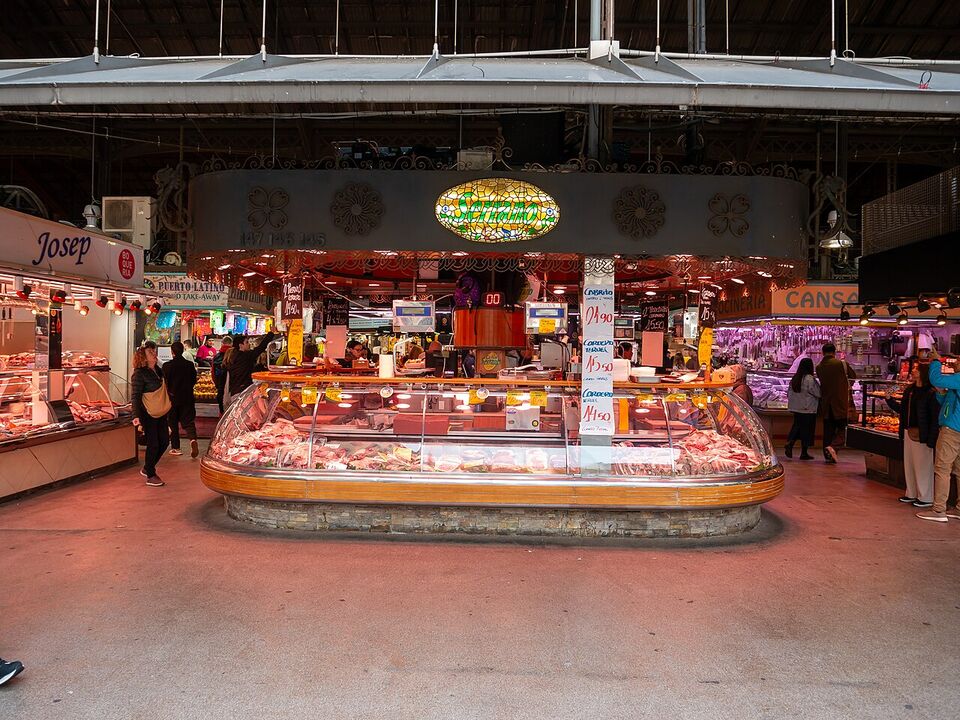
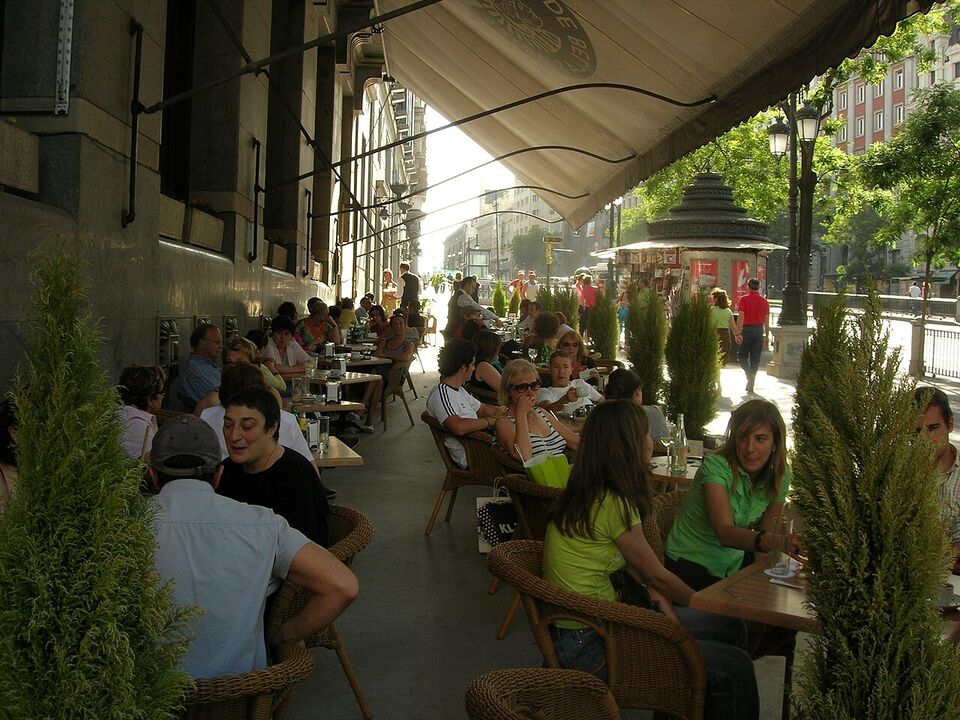
Spain has no national tourist tax, but two regions charge one per person per night, and several cities are adding their own. Hotels usually collect the tax at checkout, separate from the room price you booked, so budget for it.
Catalonia and Barcelona
Catalonia, which includes Barcelona, Girona and the Costa Brava, charges a regional tax that rose in April 2026. Barcelona adds its own city surcharge on top, €5 per person per night since April 1, 2026, and the city council plans to raise it by €1 a year to €8 by 2029. These were the combined Barcelona totals per person per night after the April 2026 increase:
| Where you stay in Barcelona | Tax per person per night |
|---|---|
| Five-star hotel | €12 (about $13.45) |
| Four-star hotel | €8.40 (about $9.40) |
| Tourist apartment | €9.50 (about $10.65) |
| Other hotels and guesthouses | €7 (about $7.85) |
| Hostels | €6 (about $6.70) |
| Cruise passengers in port | €11 (about $12.30) for under 12 hours; €9 (about $10) for longer stops |
Expect these to rise again as the city surcharge climbs each year. Outside Barcelona, the regional rates are lower, but other Catalan towns can now add their own surcharge (reported at up to €4 per person per night from October 2026), so popular spots on the Costa Brava may start charging more. Children aged 16 and under are exempt, and the Catalan tax applies to a maximum of seven nights per stay.
Save money
For a couple spending four nights in a Barcelona four-star hotel, the 2026 tax comes to about €67 (about $75). Staying in Girona or Sitges and day-tripping into Barcelona by train cuts that sharply, though you trade time for the saving. See Costa Brava and Girona and where to stay.
The Balearic Islands
Mallorca, Menorca, Ibiza and Formentera charge a "sustainable tourism tax" (the impuesto de turismo sostenible, often called the ecotax). In the main season, May to October, it runs from €1 per person per night in hostels and guesthouses to €2 for rentals and simpler hotels, €3 for four-star hotels and €4 for five-star hotels, plus 10 percent VAT on the tax. In the low season, November to April, rates drop to a quarter (€0.25 to €1), and the tax is halved from the ninth consecutive night in the same place. Under-16s are exempt. The regional government has debated higher summer rates, so check the current table before a peak-season trip.
Elsewhere
In Galicia, Santiago de Compostela charges a small per-night tax of about €1 on most lodging, and A Coruña has its own; Vigo is preparing one. Pilgrims on the Camino in public albergues (pilgrim hostels) are normally exempt. The Basque Country's cities start charging from January 1, 2027: San Sebastián's initially approved rates run from about €1.25 to €6.50 per person per night depending on the lodging, for up to six nights, with under-18s exempt, and Bilbao and Vitoria are preparing their own, so check the final rates. Madrid, Andalusia and the Valencia region had no tourist tax as of November 2026, though Seville, Málaga and Toledo have discussed levies. When you book anywhere in Spain, check whether the rate shown includes local taxes.
Recent rules on short-term rentals, and why licensed listings matter, are covered on where to stay.
VAT refunds for shoppers
Spain's value-added tax (IVA) is 21 percent on most goods, 10 percent on restaurant meals and hotels, and 4 percent on basics such as bread and books. It is included in the price on the tag. As a visitor who lives outside the EU, you can reclaim the VAT on goods you take home, and Spain has no minimum purchase amount, unlike France and Italy.
- Ask for a tax-free form when you pay, in stores that display a tax-free sign. Show your passport. Department stores such as El Corte Inglés handle this at a dedicated desk.
- Keep the goods unused and with you; you may be asked to show them.
- Validate the form digitally at the DIVA kiosks at your last EU airport before you check your bags, or at customs if a kiosk rejects it. Spain's electronic system replaced customs stamps.
- Collect your refund from the refund company's counter in cash (with a fee) or to your card. Refund operators keep a handling fee, so you get back less than the full 21 percent; 12 to 15 percent of the price is a realistic expectation on modest purchases.
You must leave the EU with the goods within three months of purchase. Services, such as hotel stays and restaurant meals, are not refundable. The Canary Islands use their own lower sales tax (IGIC) instead of VAT, so the mainland refund system does not apply there.
Watch out
If you connect home through another EU airport, such as Paris, Frankfurt or Lisbon, you validate the refund there, not in Madrid. Keep the goods in your carry-on, because you cannot validate goods that are already checked through. US customs limits are on shopping and bringing it home.
What things really cost
Spain remains good value by Western European standards, especially for food and wine. Barcelona, Madrid, San Sebastián, Marbella and Ibiza cost more; Andalusian and Castilian towns and Galicia cost less. These are typical late-2026 prices outside the most touristy streets.
| Item | Typical price |
|---|---|
| Café con leche (coffee with milk) at a bar | €1.50–2.50 (about $1.70–2.80) |
| Caña (small draft beer) | €2–3.50 (about $2.25–3.90) |
| Glass of house wine | €2.50–4 (about $2.80–4.50) |
| A tapa or pintxo | €2–5 (about $2.25–5.60); free with a drink in Granada and parts of Andalusia and León |
| Menú del día (weekday set lunch) | €13–20 (about $15–22) |
| Dinner for two, mid-range, with wine | €60–100 (about $67–112) |
| Bottle of water at a supermarket | Under €1 (about $1) |
| Metro or city bus ride | About €1.50–2.65 (about $1.70–3); less with a 10-trip card |
| Big-name sight (Prado, Royal Palace, Alhambra) | About €15–22 (about $17–25) |
| Sagrada Família, Casa Batlló, La Pedrera | About €25–45 (about $28–50) depending on ticket type |
| Flamenco show with a drink | €25–45 (about $28–50) |
| Advance high-speed train, Madrid–Barcelona | Often €20–60 (about $22–67); far more last minute |
Hotel tiers on this site, per night for two: $ under €100 (about $112), $$ €100–200 (about $112–224), $$$ €200–400 (about $224–448) and $$$$ over €400. In Barcelona and Madrid, a good central three- or four-star hotel in spring or fall usually falls in the $$ to $$$ range; in summer and during festivals, prices can double.
Save money
Many museums have free hours. The Prado, the Reina Sofía and the Thyssen all offer free entry at set times, and many Spanish state museums are free on certain days. Details are on Madrid's sights. Arrive early, because the free-hour lines form well before opening.
Daily budgets
These are per person per day, sharing a double room, excluding flights from the US. They include lodging, food, local transport, one or two paid sights and tourist taxes.
Budget
About $90–135. A hostel bed or simple hostal (family-run guesthouse), a menú del día for lunch, tapas or a supermarket picnic for dinner, metro and bus travel, and free museum hours. Easiest in Andalusia, Castile and Galicia; tight in Barcelona.
Mid-range
About $170–280. A good three- or four-star hotel in a central neighborhood, a sit-down dinner with wine, one or two timed-entry sights, taxis now and then, and advance-fare trains between cities.
Comfort
About $335 and up. Boutique hotels or paradores, private guides, tasting menus in San Sebastián or Madrid, first-class trains and a rental car for the countryside.
Example: a week for two, mid-range
A couple doing three nights in Madrid and four in Barcelona in May, in three- and four-star hotels, might spend roughly:
- Hotels: €1,200–1,600 (about $1,345–1,790)
- Barcelona tourist tax: €55–70 (about $62–78)
- Food and drink: €700–900 (about $785–1,010)
- Sights and tours: €250–350 (about $280–390)
- Trains and local transport: €150–250 (about $170–280)
That is about €2,350–3,170 (about $2,630–3,550) for the week, before flights. Plug your own numbers into our budget calculator or use the currency converter.
Keeping your money safe
Spain has low violent crime, but pickpocketing is a serious problem in Barcelona and Madrid, especially on the metro, on Las Ramblas, around the Sagrada Família and Puerta del Sol, and in airport arrivals halls.
- Split your cards: one in your wallet, one in the hotel safe or a separate pocket.
- Use a zipped bag worn in front, and keep your phone off restaurant tables on terraces.
- Turn on transaction alerts in your banking app so you see any misuse immediately.
- Be wary of "police officers" in plain clothes who ask to check your wallet or cards; real Spanish police do not do this. Walk into a shop or call 112.
- Save your banks' international phone numbers (not the toll-free US numbers, which may not work from abroad).
Read our safety page for scams and how to report a theft; you need a police report (denuncia) for insurance claims.
Before you leave home
- Get at least one card with no foreign transaction fee, and a debit card with low or refunded ATM fees.
- Bring a Visa and a Mastercard, so one network failing does not leave you stuck.
- Learn the PIN for every card.
- Check your daily ATM limit and raise it if you need to.
- Add your cards to your phone wallet.
- Set your phone up for data in Spain so you can use banking apps; see staying connected.
- Plan your trip costs with plan your trip and our budget tool.
Add it to a route in the trip builder, or ask us to plan the hotels, trains and guides for you.