Overview
Most Americans picture Spain as cities and beaches, and miss half the country. Spain is mountainous: much of the interior is a high plateau (the Meseta), and ranges cross it from the Pyrenees on the French border to the Sierra Nevada above Granada. The north is green, wet and cool, with a coast that looks more like Oregon than the Mediterranean. The Canary Islands are volcanic and warm all year.
This page covers hiking and the national parks, beaches, cycling, skiing, water sports, and the heat, fire and weather rules that keep you safe. For the long-distance pilgrimage walk, see the Camino de Santiago. For the regions themselves, see northern Spain, Andalusia and the Canary Islands.
Different from home
Spain has no equivalent of the US national park pass, and most national parks charge no entry fee at all. What it does have is booking systems for the most popular spots, daily caps on visitors, and summer bans on private cars on some park roads, with shuttle buses instead. Plan around those, not around a gate fee.
Hiking: the best regions
Spanish trails are well marked. Long-distance routes (GR, Gran Recorrido) use red-and-white paint stripes, shorter routes (PR) yellow and white, and local trails (SL) green and white. Many Spanish hikers use the Wikiloc app for route tracks, and the national mapping agency (IGN) publishes topographic maps.
Picos de Europa (Asturias, Cantabria, Castile and León)
Limestone peaks a few miles from the sea, with deep gorges, cheese caves and mountain villages. The classic is the Cares Trail (Ruta del Cares), about 7.5 miles (12 km) one way between Poncebos and Caín along a ledge cut into the gorge wall. Most people walk part of it and back from Poncebos; doing it end to end needs a taxi or a tour to get back. The Fuente Dé cable car lifts you to high pastures for easy walks. The road to the Lakes of Covadonga closes to private cars at busy times, with buses from Cangas de Onís instead. See northern Spain.
The Pyrenees (Aragón, Catalonia, Navarra)
Ordesa y Monte Perdido National Park in Aragón is a glacial canyon with beech forest and waterfalls. The standard day hike runs from the Pradera de Ordesa to the Cola de Caballo (horsetail) falls, about 10.5 miles (17 km) round trip and 5–6 hours, mostly gentle. In summer and at Easter the park road closes to private cars, and shuttle buses run from the village of Torla. In Catalonia, Aigüestortes i Estany de Sant Maurici is all lakes and granite, reached by 4x4 taxis from Espot and Boí. The GR11 crosses the whole range from the Atlantic to the Mediterranean for experienced trekkers.
Andalusia
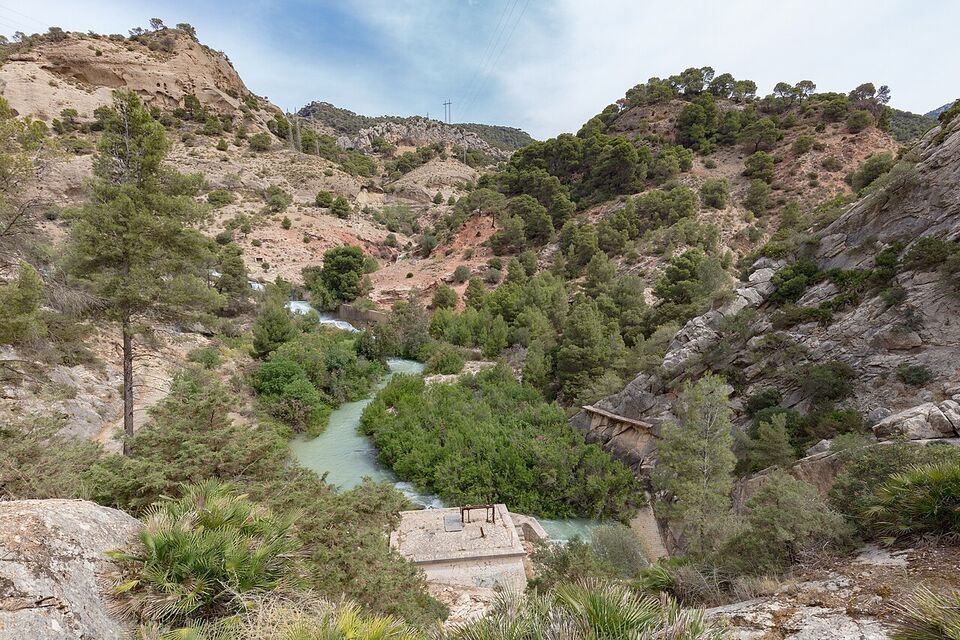
- Caminito del Rey, near Málaga: a boardwalk route clamped to the walls of the Gaitanes gorge, once called the world's most dangerous path and now safe and heavily managed. General tickets cost €10 (about $11), the official guided visit €18 (about $20), and the shuttle bus back to the start €2.50 (about $2.80). Children under 8 are not allowed, and older children need ID showing their age. The route is about 4.8 miles (7.7 km) including access paths and takes 3–4 hours, one way north to south. Tickets for December 7, 2026 to May 2, 2027 are on sale on the official site, caminitodelrey.info; buy there, since resellers charge much more. Trains from Málaga to El Chorro are few, so check the timetable before you pick a slot.
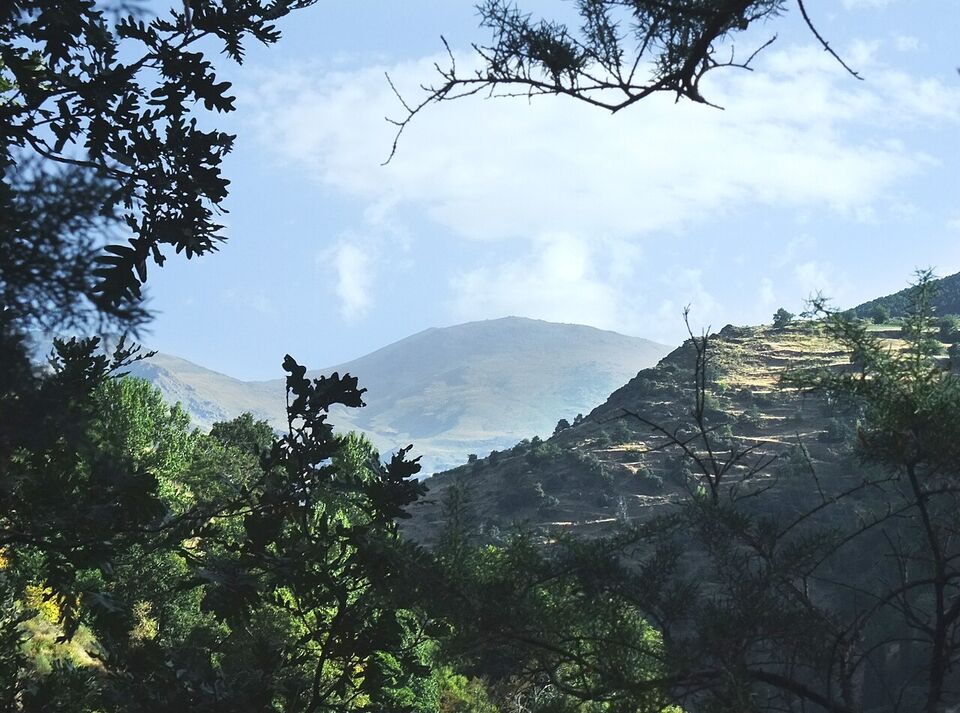
- Sierra Nevada: Mulhacén, the highest peak on the mainland, is a long but non-technical summer climb, usually done from Capileira in the Alpujarras with the park's summer shuttle bus. The Alpujarras villages on the south side are good for gentle multi-day walks.
- Los Cahorros near Granada, the Sierra de Grazalema around the white towns, and the Cabo de Gata coast in Almería (Spain's driest corner) round out the region. See Andalusia and Granada.
The islands
- Teide, Tenerife: you can ride the cable car most of the way up, but the final trail to the crater rim (the Telesforo Bravo path) needs a booking on the island's Tenerife ON platform, which has managed the summit since August 2025. Since January 19, 2026, that trail also carries a fee between 9 a.m. and 5 p.m.: €15 (about $17) for visitors from outside the Canary Islands, free for children under 14. New slots open on Mondays up to 28 days ahead, and bookings cannot be changed or refunded unless the trail or the cable car closes. A night at the Altavista mountain refuge has traditionally allowed a dawn summit without the permit; check whether that still applies. Altitude is real at 12,000 feet, and it can be below freezing at the top in any season.
- Mallorca: the GR221, the Dry Stone Route, crosses the Serra de Tramuntana in about a week, between stone refuges. Spring and fall only; summer is too hot. See Mallorca.
- Menorca: the Camí de Cavalls circles the island for about 115 miles (185 km), linking coves you can swim in on the way.
- La Gomera and La Palma: Garajonay's misty laurel forest and the Caldera de Taburiente's huge crater are two of the best hiking areas in Spain, quiet and green. See the Canaries.
Near Madrid and Barcelona
From Madrid, local trains reach Cercedilla in the Sierra de Guadarrama National Park in about 1 hr 15 min, with pine forest and granite ridges. From Barcelona, Montserrat has good trails above the monastery, reached by train and rack railway. See day trips from Madrid and Montserrat and the Costa Brava.
Insider tip
Mountain huts (refugios) in the Pyrenees, Picos and Sierra Nevada serve dinner and breakfast to hikers and need booking, especially on summer weekends. Most now take reservations online. Bring cash for drinks and a sleeping-bag liner.

Spain's national parks
Spain's 16 national parks are the country's strictest protected areas. Entry is generally free; you pay for cable cars, guided tours, boats and shuttles. Each park has visitor centers (centros de visitantes) with maps and current trail conditions.
| Park | Region | Why go | Booking notes |
|---|---|---|---|
| Teide | Tenerife | Volcano, lava fields, stargazing | Summit booking and fee (Tenerife ON); cable car tickets |
| Picos de Europa | Asturias, Cantabria, León | Gorges, peaks, cheese villages | Covadonga lakes buses at peak times |
| Ordesa y Monte Perdido | Aragón | Canyon, waterfalls, high peaks | Summer shuttle from Torla |
| Aigüestortes i Estany de Sant Maurici | Catalonia | Lakes and granite | 4x4 taxis from Espot and Boí |
| Sierra Nevada | Andalusia | Mainland's highest peaks | Summer shuttle buses |
| Doñana | Andalusia | Wetlands, birds, Iberian lynx | Guided 4x4 tours; much of the park is closed to independent visits |
| Timanfaya | Lanzarote | Volcanic landscape | Visited by coach route included with entry |
| Islas Atlánticas de Galicia | Galicia | Cíes Islands' white beaches | Free authorization plus ferry ticket in season |
| Garajonay | La Gomera | Laurel cloud forest | None for most trails |
| Caldera de Taburiente | La Palma | Giant crater | Camping and some routes need permits |
| Monfragüe | Extremadura | Vultures and eagles | None; best at dawn |
| Sierra de Guadarrama | Madrid, Segovia | Easy escape from Madrid | Weekend crowds |
The other four are the Cabrera archipelago off Mallorca (boat trips with limited numbers), the Cabañeros woodlands and the Tablas de Daimiel wetlands in Castile-La Mancha, and the Sierra de las Nieves in Málaga province, added in 2021.
Watch out
The Cíes Islands, off Vigo, cap daily visitors in the summer season (May 15 to September 15 in 2026). You need a free authorization from the Galician government before you can buy a ferry ticket. Do both a few weeks ahead for a July or August weekend. See Galicia.
Beaches
Spain has about 3,000 miles (5,000 km) of coastline, and for years it has topped the international Blue Flag count for clean, well-run beaches. The trick is matching coast to season and to what you want.
- Mediterranean, mainland: the Costa Brava's coves near Girona, the long sandy beaches of the Costa Daurada and Valencia, and the built-up Costa Blanca and Costa del Sol. Water is warmest from July to September, around the high 70s °F (about 25°C). See Costa Brava and Costa del Sol.
- Balearic Islands: the clearest water in Spain, in Menorca, Formentera and Mallorca's coves. Very busy in July and August. See the Balearics.
- Costa de la Luz: the Atlantic coast of Cádiz province, with wide, wild beaches at Bolonia (Roman ruins and a huge dune), Zahara de los Atunes, Conil and Tarifa. Cooler water and often strong wind. See Andalusia.
- The north: Asturias, Cantabria, the Basque Country and Galicia have dramatic beaches and cold water, often in the mid-60s °F (about 18°C) even in August. Locals love them for exactly that reason in a heat wave.
- The Canaries: the only place for beach weather in winter. Fuerteventura's dunes, Las Canteras in Las Palmas, Lanzarote's volcanic coves.
Beach rules and flags
Lifeguards work only in the summer season on most beaches. Flags follow the familiar pattern: green to swim, yellow for caution, red for no swimming. Some beaches add a flag for jellyfish. Rip currents on Atlantic beaches kill swimmers every year, often tourists; obey a red flag even if locals ignore it.
Different from home
Topless sunbathing is common on any Spanish beach, and nude beaches are legal and signposted in many places. All beaches are public up to the shore by law, including those in front of luxury hotels. On the other hand, several cities fine people for drinking alcohol on the beach or walking through town in swimwear, and Barcelona is strict about both.
Cycling
Spain is one of Europe's great cycling countries, and the Vuelta a España, the third of the big three-week races, runs in late August and September.
- Mallorca: pro teams train here in winter and spring. The climb to Sa Calobra and the ride to Cap de Formentor are famous; in recent summers the Formentor road has been closed to private cars by day, which makes it better for bikes; check the current dates. Bike rental shops are everywhere around Pollença and Alcúdia.
- Girona: home base for many professional riders, with quiet roads into the volcanic hills of La Garrotxa and down to the coast. See Girona.
- Vías Verdes (greenways): more than 3,000 km (1,900 miles) of old railway lines turned into car-free paths, with gentle grades and tunnels. The Vía Verde de la Sierra through the white towns and the olive-country Vía Verde del Aceite in Jaén are standouts. Good for families and e-bikes.
- Cities: Seville and Valencia are flat with long networks of bike lanes. City bike-share schemes are mostly for residents, but rental shops and tours are easy to find.
Spanish drivers are generally used to cyclists, and the law requires them to leave 1.5 m (about 5 ft) when passing. Helmets are mandatory for cyclists on interurban roads, with some exceptions on steep climbs and in extreme heat. Ride early in summer.
Skiing in the Sierra Nevada and the Pyrenees
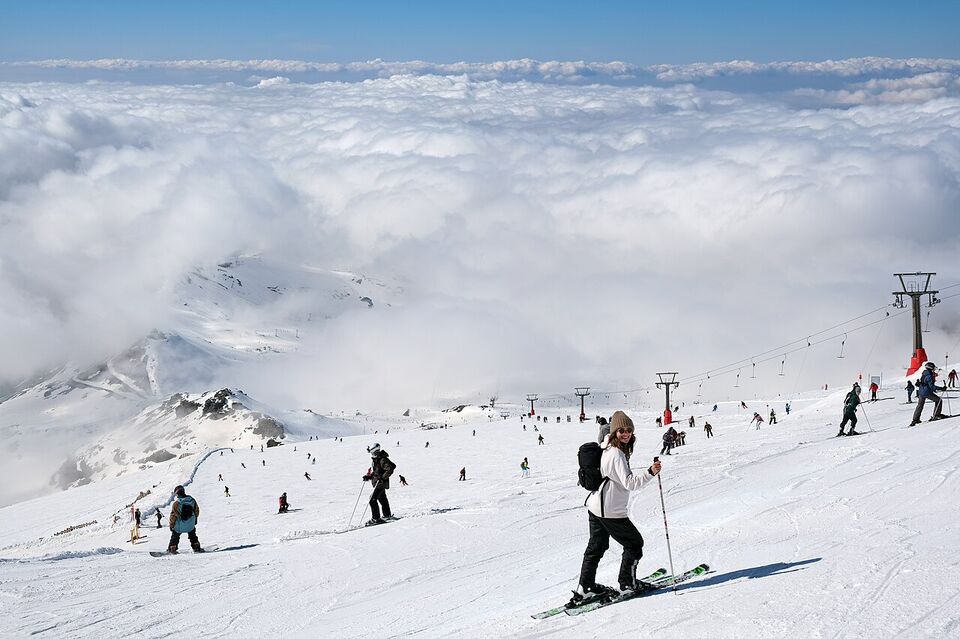
Spanish ski areas are smaller than the big Alpine ones, but the skiing is good, cheaper than at the big US resorts, and combined with culture in a way nowhere else can match: ski in the morning and see the Alhambra in the afternoon.
Sierra Nevada
Europe's southernmost major resort sits above Granada, under an hour's drive from the city, with buses too, with the base at Pradollano and lifts up toward Veleta at over 10,000 feet. The 2026–27 season is provisionally set to open on November 28, 2026 and close on April 25, 2027, depending on snow. Prices are dynamic: last season an adult weekday day pass was listed at €60.80 (about $68), with lower rates for ages 6–15 and 65–69. Sun is intense and the snow can turn slushy by afternoon in spring. See Granada.
The Pyrenees
- Baqueira-Beret in the Val d'Aran, Catalonia: Spain's largest and most fashionable resort, with the most reliable snow, on the Atlantic-facing side of the range. The nearest big airports are Toulouse in France and Barcelona, about 4 hours by car.
- Formigal-Panticosa, Cerler, Candanchú and Astún in Aragón: good-value skiing with Spanish families.
- La Molina and Masella in Catalonia: the easiest from Barcelona, with a regional train to La Molina station in about 3 hours.
Save money
Avoid Spanish school holidays and long weekends: the December 6–8 puente (bridge holiday), Christmas to January 6, Carnival week and Easter. Weekday passes are cheaper, and buying online ahead usually beats the ticket window. See when to go.
Surfing, diving and other adventures
- Surfing: the Basque coast (Zarautz, San Sebastián's Zurriola beach, the famous left at Mundaka), Somo in Cantabria, Asturias and Galicia, plus El Palmar near Cádiz and year-round waves in Fuerteventura and Lanzarote. Surf schools rent wetsuits; you need one in the north even in summer. See the Basque Country.
- Kitesurfing and windsurfing: Tarifa, at the tip of Spain, is one of Europe's wind capitals.
- Diving and snorkeling: the Medes Islands marine reserve off L'Estartit on the Costa Brava, Cabo de Palos near Cartagena, and El Hierro in the Canaries.
- Canyoning, climbing and via ferrata: the Sierra de Guara in Aragón is Europe's canyoning capital; El Chorro, Siurana, Rodellar and Riglos draw climbers from around the world. Go with a licensed guide if you are new to it.
- Wildlife: whale and dolphin trips from Tarifa into the Strait of Gibraltar and off southwest Tenerife; birds of prey in Monfragüe; flamingos in Doñana and the Ebro Delta; the autumn raptor migration over the Strait.
- Stargazing: La Palma and Teide have some of the darkest skies in Europe, with observatory tours.
Watch out
Since 2020, groups of orcas off Spain and Portugal have repeatedly rammed sailboats, especially their rudders, around the Strait of Gibraltar and up the Atlantic coast. If you are chartering a sailboat, ask the company about current advice and routes.
Heat, wildfires and weather
The biggest outdoor danger in Spain is summer heat. Inland Andalusia, Extremadura and the Ebro valley regularly pass 104°F (40°C) in July and August, and heat waves have grown longer. Hike at dawn, carry far more water than you think (at least 3 liters, about 3 quarts, per person on a summer day), and rest through the hottest hours the way locals do.
- Weather warnings: AEMET, the national weather agency, issues yellow, orange and red warnings for heat, storms, wind and snow. Check aemet.es before any mountain day.
- Wildfires: the fires of August 2025 in Galicia, Castile and León, Asturias and Extremadura were among the worst in decades. In high fire danger, regions close forest roads, trails and campgrounds, sometimes at short notice, and ban any flame, including camping stoves. Follow closures; fines are heavy. See safety.
- Flash floods: the deadly storm that flooded the Valencia region in October 2024 was an extreme version of a common autumn pattern on the Mediterranean coast. Do not walk or camp in dry riverbeds (ramblas, barrancos) when storms are forecast.
- Mountain weather: afternoon thunderstorms are common in the Pyrenees in summer. Start early and be off ridges by early afternoon. Snow can linger on high Sierra Nevada and Pyrenees trails into June.
Practicalities and safety
- Rescue and insurance: call 112 and say where you are; mountain rescue in Spain is mostly done by the Guardia Civil and regional teams. Some regions can bill hikers for rescues caused by recklessness or poor preparation. Check that your travel insurance covers hiking and search and rescue; many policies exclude "mountaineering" above a set altitude. See health.
- Hunting season: roughly autumn to late winter, hunters hold drives (batidas), often on weekends and holidays. Signs saying coto de caza mark hunting land; on drive days you may see warning signs on trails. Wear something bright and stay on the path.
- Dogs and livestock: big guardian dogs (mastines) protect sheep in the mountains. Walk calmly around the flock and do not approach. Close any gates you open.
- Getting to trailheads: many are hard to reach without a car; see driving. Park legally: tow trucks and fines are common at popular trailheads.
- Timing: Spanish hikers often start later than Americans and stop for a long lunch. In summer, start early anyway.
- Gear: sun hat, sunscreen, layers for the mountains, and proper boots for limestone. See packing.
For a walking trip with a purpose and a community, nothing in Spain compares with the Camino de Santiago. For other ways to match a trip to your interests, see Spain by interest.
Add it to a route in the trip builder, or ask us to plan the hotels, trains and guides for you.